How Long Does An Ultrasound Take?
May 31, 2025
Ever found yourself wondering, “How long does an ultrasound actually take?” You’re not alone. Whether you’re going in for a routine check-up or your doctor has ordered one to investigate a health concern, it helps to know what to expect—especially time-wise.
At NextGen Diagnostic Imaging, we believe informed patients are happy (and less anxious) patients. Let’s walk you through it all.
Understanding Ultrasounds: A Quick Overview
What Is an Ultrasound?
Ultrasound, also called sonography, is a medical imaging technique that uses high-frequency sound waves to create real-time pictures of the inside of your body. Unlike X-rays or CT scans, ultrasounds don’t involve radiation, which makes them one of the safest imaging options available.
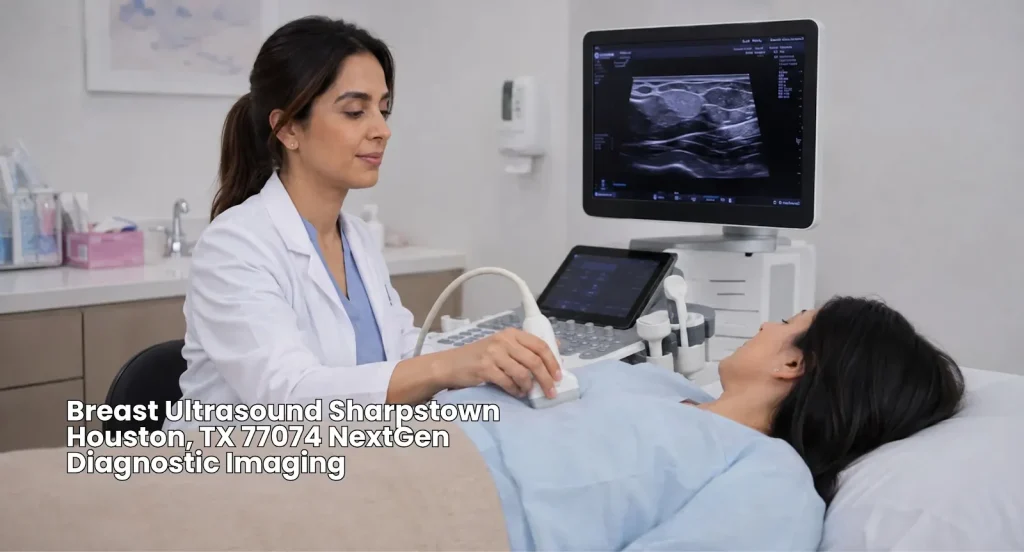
The process works by sending sound waves into your body via a handheld device called a transducer. These waves bounce off tissues and organs, and the returning echoes are captured and converted into visual images on a monitor.
Because ultrasounds produce live images, doctors can observe movement and function—like a beating heart or a baby kicking in the womb—in real time. It’s painless, non-invasive, and usually requires little to no recovery time. Plus, it can be done in various settings, from hospitals to outpatient clinics, making it widely accessible.
Why Are Ultrasounds Done?
Ultrasounds are incredibly versatile diagnostic tools used in many areas of medicine. They help doctors:
- Monitor pregnancies: Track fetal development, check the baby’s heartbeat, and assess amniotic fluid levels.
Examine abdominal organs: Evaluate the liver, kidneys, gallbladder, pancreas, and spleen for abnormalities like cysts, stones, or tumors. - Assess the heart: Through echocardiograms, ultrasound shows heart function, valve activity, and blood flow.
- Investigate blood flow: Doppler ultrasounds check the circulation in arteries and veins, helping detect clots or blockages.
- Evaluate soft tissues and joints: Identify issues like muscle tears, inflammation, or fluid buildup.
Factors That Affect How Long an Ultrasound Takes
Type of Ultrasound
The type of ultrasound you’re having is the biggest factor influencing how long the procedure takes. For example, a quick thyroid scan may only take 10-15 minutes, while a detailed abdominal or fetal ultrasound can take up to 45 minutes or more. More complex ultrasounds often require multiple images and measurements, which naturally extend the time needed.
Area of the Body Being Scanned
Where the ultrasound is focused also impacts the duration. Smaller or more superficial areas—like the thyroid gland or superficial veins—are easier and faster to scan. In contrast, deep or larger areas such as the abdomen, pelvis, or heart require more time because the technician needs to carefully capture multiple views to ensure a comprehensive assessment.
Patient Preparation and Cooperation
How well a patient is prepared can speed up or slow down the scan. For instance, following instructions like fasting before an abdominal ultrasound or having a full bladder for a pelvic scan helps technicians get clear images faster. Also, cooperating during the exam—such as holding your breath or adjusting your position—makes the process smoother and quicker.
Equipment and Facility Efficiency
The quality of ultrasound machines and the expertise of the staff matter a lot. Facilities like NextGen Diagnostic Imaging invest in cutting-edge technology and highly trained sonographers, which means scans are completed more efficiently without sacrificing image quality. This helps reduce appointment times and provides quicker, more accurate results.
Average Duration for Different Types of Ultrasounds
So, how long are we talking? Let’s break it down by type.
Abdominal Ultrasound
This one looks at organs like the liver, kidneys, and gallbladder.
⏱️ Average Time: 20 to 30 minutes
Pelvic Ultrasound
Used to evaluate reproductive organs or the bladder.
⏱️ Average Time: 15 to 30 minutes
It can be done transabdominally or transvaginally (for women), which may affect the time slightly.
Pregnancy Ultrasound
This varies depending on the trimester.
First Trimester
⏱️ 15 to 20 minutes
Quick peek to confirm pregnancy, check heartbeat, and estimate due date.
Second and Third Trimester
⏱️ 30 to 45 minutes
These are more detailed, checking fetal anatomy, growth, and position.
Doppler Ultrasound
Used to measure blood flow in veins and arteries.
⏱️ Average Time: 30 to 45 minutes
Echocardiogram (Heart Ultrasound)
This one’s pretty detailed.
⏱️ Average Time: 30 to 60 minutes
Musculoskeletal Ultrasound
Examines muscles, ligaments, or joints.
⏱️ Average Time: 20 to 30 minutes
Before the Ultrasound: How Preparation Affects Timing
What to Expect Before Your Scan
You might be asked to fast, drink water, or wear loose clothing depending on the type of scan. Your preparation can either speed things up—or slow them down.
How to Prepare Faster and Better
- Follow your prep instructions carefully.
- Arrive 10–15 minutes early to handle paperwork.
- Bring any previous imaging results if applicable.
What Happens During the Ultrasound Procedure?
Step-by-Step: The General Process
- You’ll lie on an exam table.
- The technician applies a water-based gel to your skin.
- A handheld device (transducer) glides over the area.
- Images appear in real time on the screen.
Time on the Table: What’s Actually Happening
During the scan, the sonographer may take multiple images, measure structures, or record clips. The exact process depends on the reason for your exam, but typically, you’ll be in the room for 15 to 45 minutes total.
After the Ultrasound: How Long Before Results?
Immediate Insights vs. Full Report
Sometimes, the sonographer may give general feedback—but the official report comes from a radiologist.
How Long to Wait for Results at NextGen Diagnostic Imaging
At NextGen Diagnostic Imaging, we aim to deliver results fast—usually within 24 to 48 hours. For urgent cases, we expedite reports even sooner.
Speeding Things Up: What You Can Do
Arrive Prepared
Bring your ID, insurance, and doctor’s order. Hydrate (if instructed) and don’t eat if you’ve been told to fast.
Choose the Right Imaging Center
Not all imaging centers are created equal. NextGen Diagnostic Imaging focuses on prompt scheduling, minimal wait times, and cutting-edge technology.
Communicate With Your Technician
Nervous? Confused? Don’t hesitate to ask. The more relaxed and cooperative you are, the smoother things go.
Why Choose NextGen Diagnostic Imaging for Your Ultrasound?
Efficiency Meets Expertise
Our certified sonographers and board-certified radiologists work together to deliver accurate results, quickly and efficiently.
Comfortable and Caring Environment
From the front desk to the exam room, we prioritize your comfort. Shorter wait times, respectful staff, and a calming atmosphere? Check, check, and check.
NextGen Diagnostic Imaging Serving the Mahatma Gandhi District Community and Beyond in Houston
NextGen Diagnostic Imaging is dedicated to serving the diverse needs of the local community of Houston, including individuals residing in neighborhoods like Mahatma Gandhi District. With its convenient location near landmarks such as the Benavidez Elementary School and major intersections like Gulfton St. and Westward St. (coordinates: 29.716704099999987, -95.4938099), we offer cheap diagnostic imaging centers Houston services.
Get Cheap Diagnostic Imaging Centers Houston Services at Mahatma Gandhi District Now
Navigate from Mahatma Gandhi District to NextGen Diagnostic Imaging Now
The Takeaway on Timing
How long does an ultrasound take? On average, expect anywhere from 15 to 45 minutes, depending on the type and complexity. Add a little buffer for prep and wrap-up, and you’re looking at a pretty manageable appointment. At NextGen Diagnostic Imaging, we do everything we can to make it faster, easier, and more comfortable—so you can get answers without wasting your day.
FAQs
1. Can I go back to work right after an ultrasound?
Absolutely! Most ultrasounds are non-invasive and require zero recovery time.
2. Do I need a referral for an ultrasound at NextGen Diagnostic Imaging?
Yes, a referral from your healthcare provider is usually required for diagnostic ultrasounds.
3. Are ultrasound results ever immediate?
In urgent cases, our radiologists can provide same-day reports. Routine scans typically take 24–48 hours.
4. Is there any pain during the ultrasound?
Nope! The procedure is usually painless, though you might feel a little pressure or coolness from the gel.
5. What should I wear to my ultrasound?
Loose, comfortable clothing is best. Depending on the area being scanned, you might need to change into a gown.

NextGen Scans
Be part of a team driven by compassion and a commitment to putting patients first. At NextGen Scans, the care you provide has a meaningful impact every single day.
or Call us at
(346) 487-7037
What Imaging Centers Won’t Tell You About Wait Times
When you book an appointment at imaging centers, you may expect the visit to take only as long as the scan itself. That is not always the case. This can make it easier to manage your schedule and know what to expect during visits. Check-in, paperwork, preparation, equipment, staffing, and other patients can affect your…Your Pain Won’t Wait. Neither Should Your Ultrasound
When you’re dealing with pain, waiting can make every day harder. If you’re searching for a cheap ultrasound, price may be one of your first concerns. Yet the lowest price isn’t always the best value. You also need to consider imaging quality, staff experience, preparation requirements, and how results are handled. When comparing providers, ask…What Actually Happens During a Breast Ultrasound
Why Your Doctor May Recommend Breast Ultrasound A breast ultrasound creates detailed pictures of breast tissue using high-frequency sound waves. Doctors often recommend it after finding a lump, unusual pain, nipple discharge, or an area needing a closer look on a mammogram. It can also help show if a mass is fluid-filled or solid. If…





Contact Us: We’re Here to Help!
We’d love to hear from you! Whether you have questions about our services, need more information on our diagnostic and pain management options, or would like to schedule an appointment, our friendly and professional team is here to assist you every step of the way. We are dedicated to providing you with the best care and support, and we are happy to address any concerns or inquiries you may have.