What Are The Four Types Of X-Rays?
October 20, 2025
X-rays are one of the most common diagnostic tools used in modern medicine. They allow healthcare professionals to see inside the body without surgery, helping to identify a wide range of conditions, from fractures to infections.
At NextGen Diagnostic Imaging, we specialize in providing precise and safe X-ray services to our patients. Understanding the different types of X-rays can help you know what to expect during your imaging process and make informed decisions about your care.
In this guide, we’ll explore the four main types of X-rays, how each is used, and what makes them unique.

1. Traditional or Plain X-Rays
Overview
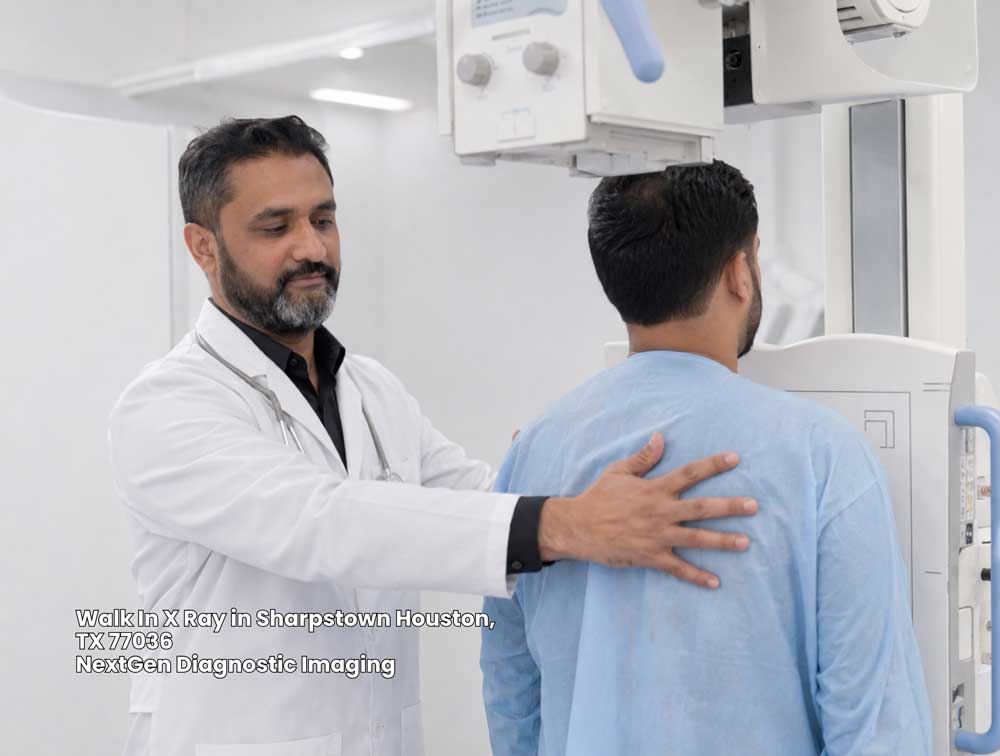
Traditional X-rays, also called plain X-rays, are the most commonly used type. They use a small dose of ionizing radiation to create images of the internal structures of the body. These X-rays are particularly effective for examining bones, joints, and chest cavities.
Uses and Applications
- Bone Fractures and Dislocations: Plain X-rays are often the first step in evaluating broken bones. They can clearly show cracks, breaks, or misalignments.
- Chest Examination: They are commonly used to check the lungs, heart size, and detect infections like pneumonia.
- Dental Imaging: Dentists use X-rays to see cavities, bone loss, and impacted teeth.
Benefits
Plain X-rays are quick, non-invasive, and widely available. They also use a relatively low amount of radiation compared to other imaging methods.
Considerations
While traditional X-rays provide excellent bone imaging, they are less effective for soft tissues like muscles, ligaments, or organs. For detailed views of these areas, other types of X-rays or imaging methods may be needed.
2. Computed Tomography (CT) Scans
Overview
CT scans, sometimes called computed X-rays, use multiple X-ray images taken from different angles to create detailed cross-sectional images of the body. A computer then compiles these images to form a three-dimensional view, providing more detail than traditional X-rays.
Uses and Applications
- Internal Injuries: CT scans are often used in emergency settings to detect internal bleeding or trauma.
- Tumor Detection: They help identify tumors and monitor changes over time.
- Guiding Procedures: CT imaging can assist doctors in precise surgical planning or biopsies.
Benefits
CT scans offer detailed images of bones, blood vessels, and soft tissues all in one scan. They are highly accurate and provide critical information for complex diagnoses.
Considerations
CT scans involve higher doses of radiation than plain X-rays, so doctors usually recommend them only when the additional detail is necessary. At NextGen Diagnostic Imaging, we prioritize patient safety and use low-dose CT technology whenever possible.
3. Fluoroscopy
Overview
Fluoroscopy is a type of X-ray that shows real-time moving images of the body. Unlike standard X-rays that produce a single static image, fluoroscopy allows doctors to observe internal structures as they function.
Uses and Applications
- Digestive System Studies: Fluoroscopy can track the movement of barium through the esophagus, stomach, and intestines.
- Cardiac Procedures: It guides catheters during heart treatments or angiography.
- Joint and Spine Imaging: It helps in evaluating joint movement or spinal procedures.
Benefits
The real-time aspect of fluoroscopy is particularly valuable for guiding procedures and observing dynamic processes within the body. It provides more context than static X-ray images alone.
Considerations
Fluoroscopy usually involves higher radiation exposure due to continuous imaging, so the duration is kept as short as necessary. Safety measures are strictly followed at NextGen Diagnostic Imaging to minimize exposure.
4. Mammography
Overview
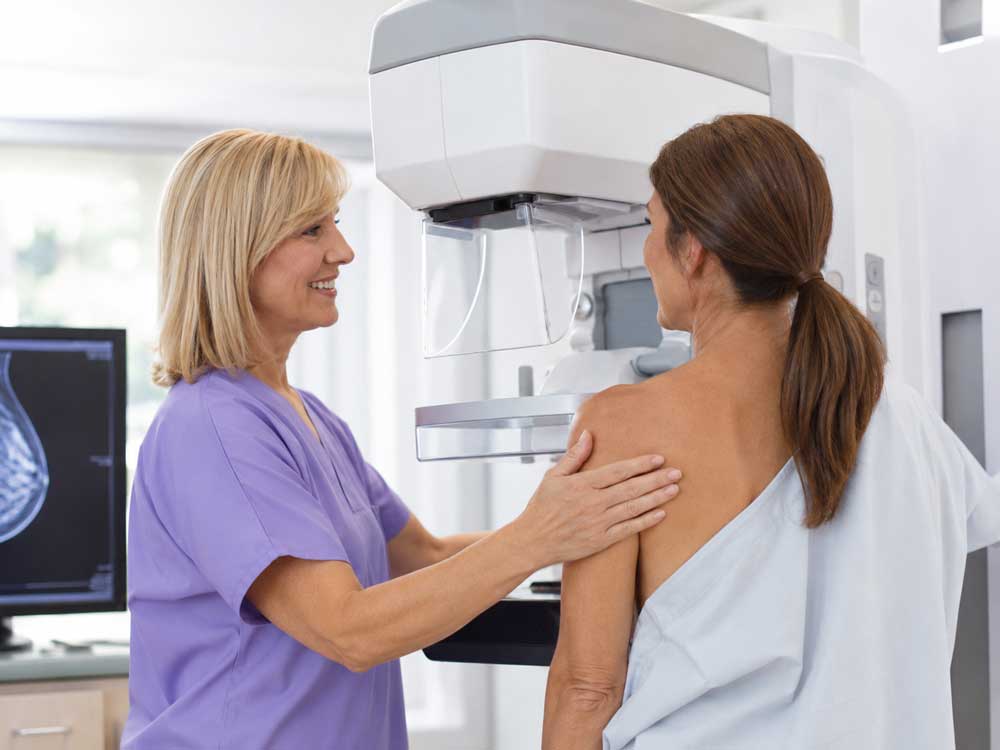
Mammography is a specialized type of X-ray designed to detect breast abnormalities. It uses low-dose X-rays to capture detailed images of breast tissue, helping in the early detection of breast cancer.
Uses and Applications
- Screening: Mammograms are recommended for women as a preventive measure, usually starting at age 40 or earlier if there’s a family history of breast cancer.
- Diagnostic: If a lump or other abnormality is found, mammography can provide more detailed images for further evaluation.
Benefits
Mammography is highly effective in detecting early-stage cancers that cannot be felt during physical exams. It significantly increases the chances of successful treatment.
Considerations
Some women may experience mild discomfort during mammography due to breast compression. At NextGen Diagnostic Imaging, we focus on patient comfort while ensuring accurate imaging.
Choosing the Right Type of X-Ray
Selecting the appropriate X-ray depends on the part of the body being examined and the type of information needed. Your doctor will recommend the best option based on your medical history, symptoms, and diagnostic goals.
Key Factors Considered Include:
- Area of Interest: Bones, soft tissues, internal organs, or the breast.
- Detail Required: General assessment vs. high-resolution imaging.
- Patient Safety: Minimizing radiation exposure while ensuring accurate results.
At NextGen Diagnostic Imaging, our experienced radiologists work closely with patients to determine the safest and most effective imaging method.
Safety and Radiation Exposure
While X-rays use ionizing radiation, the risk is generally low, especially with modern equipment and safety protocols. Some tips for patients:
- Inform your doctor: If you are pregnant or may be pregnant.
- Protective shielding: Lead aprons or shields can reduce exposure.
- Follow guidelines: Only undergo X-rays that are medically necessary.
NextGen Diagnostic Imaging employs the latest low-dose and digital X-ray technology, ensuring accurate results while minimizing radiation exposure.
Why Choose NextGen Diagnostic Imaging for X-Ray Services in Shenandoah
When it comes to X-ray services, choosing the right imaging center makes all the difference. At NextGen Diagnostic Imaging, we combine advanced technology, skilled radiologists, and patient-focused care to ensure every scan is accurate, safe, and comfortable. Whether you need a routine check, bone evaluation, or specialized imaging, we provide solutions tailored to your health needs.
State-of-the-Art Technology
At NextGen Diagnostic Imaging, we use the latest X-ray machines and digital imaging systems to deliver clear, detailed results. Our low-dose X-ray technology ensures minimal radiation exposure without compromising image quality. From plain X-rays to specialized imaging, we stay ahead in technology to provide precise and reliable diagnostic information.

Experienced and Caring Team
Our team of certified radiologists and imaging specialists is highly trained in interpreting X-rays accurately. But expertise isn’t just about technical skill it’s about care. At NextGen, we prioritize your comfort and take the time to explain procedures, answer questions, and guide you through every step of your imaging experience.
Convenient Locations in Shenandoah
We understand that convenience matters when it comes to healthcare. Our Shenandoah location is easily accessible, with flexible scheduling to fit your busy lifestyle. No long waits, no hassle, just professional, timely imaging services when you need them.
Comprehensive X-Ray Services
We offer a wide range of X-ray services, including:
- Bone and Joint Imaging: Detects fractures, dislocations, and other skeletal issues.
- Chest and Lung X-Rays: Evaluate lung health and detect infections.
- Specialized Studies: Advanced imaging tailored to your diagnostic needs.
Whatever your medical requirement, our X-ray services are designed to provide quick, accurate results for effective treatment planning.
Patient Safety and Comfort First
Your safety is our priority. From lead shielding to low-dose technology, every precaution is taken to minimize radiation exposure. Plus, our welcoming staff ensures that your visit is as comfortable and stress-free as possible.
Why NextGen Diagnostic Imaging Stands Out
- Cutting-edge equipment for precise imaging
- Low-dose technology to minimize radiation
- Skilled, compassionate radiologists and staff
- Convenient Houston & Shenandoah locations
- Quick, reliable results to support your healthcare decisions
When you need X-ray services in Houston or Shenandoah, choose NextGen Diagnostic Imaging for expertise, accuracy, and care you can trust. Your health deserves nothing less.
NextGen Diagnostic Imaging Serving the Shenandoah Community and Beyond in Houston
NextGen Diagnostic Imaging is dedicated to serving the diverse needs of the local community of Houston, including individuals residing in neighborhoods like Shenandoah. With its convenient location near landmarks such as the Burnett Bayland Park Soccer Field and major intersections like High Star Dr. and Atwell Dr. (coordinates: 29.712207089193782, -95.48345532599654), we offer x ray services Houston services.
Get X Ray Services At Shenandoah Now
Navigate from Shenandoah to NextGen Diagnostic Imaging Now
Conclusion
Understanding the four types of X-rays—plain X-rays, CT scans, fluoroscopy, and mammography can help you better navigate your medical care. Each type has unique advantages and applications, from basic bone imaging to dynamic studies and early cancer detection.
By choosing NextGen Diagnostic Imaging, you can be confident in receiving high-quality, safe, and precise X-ray services tailored to your needs. Our team is dedicated to providing professional care, clear communication, and the best imaging solutions for every patient.
FAQs
1. What types of X-ray services does NextGen Diagnostic Imaging offer?
NextGen Diagnostic Imaging provides a wide range of X-ray services, including plain X-rays for bones and joints, chest X-rays for lungs and heart, specialized imaging for soft tissues, and advanced low-dose X-ray scans. Our services are designed to deliver accurate results while ensuring patient safety and comfort.
2. How safe are X-rays at NextGen Diagnostic Imaging?
Safety is a top priority at NextGen Diagnostic Imaging. We use low-dose X-ray technology and lead shielding to minimize radiation exposure. Our trained staff follows strict safety protocols to ensure that every scan is safe for patients of all ages.
3. How do I prepare for an X-ray at NextGen Diagnostic Imaging?
Most X-ray exams require little to no preparation. Depending on the type of X-ray, you may be asked to remove metal objects like jewelry or belts. Our team will provide clear instructions before your appointment to make your visit as smooth as possible.
4. How quickly can I get my X-ray results?
NextGen Diagnostic Imaging prioritizes timely results. Most X-ray images are reviewed by our radiologists immediately, and detailed reports are typically available within 24–48 hours. Rapid access to results helps your doctor make informed decisions quickly.
5. Why should I choose NextGen Diagnostic Imaging for X-ray services in Houston and Shenandoah?
NextGen Diagnostic Imaging combines advanced imaging technology, experienced radiologists, and a patient-focused approach. With convenient locations in Houston and Shenandoah, low-dose safety protocols, and fast, accurate results, we provide X-ray services you can trust for any diagnostic need.

NextGen Scans
Be part of a team driven by compassion and a commitment to putting patients first. At NextGen Scans, the care you provide has a meaningful impact every single day.
or Call us at
(346) 487-7037
What Imaging Centers Won’t Tell You About Wait Times
When you book an appointment at imaging centers, you may expect the visit to take only as long as the scan itself. That is not always the case. This can make it easier to manage your schedule and know what to expect during visits. Check-in, paperwork, preparation, equipment, staffing, and other patients can affect your…Your Pain Won’t Wait. Neither Should Your Ultrasound
When you’re dealing with pain, waiting can make every day harder. If you’re searching for a cheap ultrasound, price may be one of your first concerns. Yet the lowest price isn’t always the best value. You also need to consider imaging quality, staff experience, preparation requirements, and how results are handled. When comparing providers, ask…What Actually Happens During a Breast Ultrasound
Why Your Doctor May Recommend Breast Ultrasound A breast ultrasound creates detailed pictures of breast tissue using high-frequency sound waves. Doctors often recommend it after finding a lump, unusual pain, nipple discharge, or an area needing a closer look on a mammogram. It can also help show if a mass is fluid-filled or solid. If…

Contact Us: We’re Here to Help!
We’d love to hear from you! Whether you have questions about our services, need more information on our diagnostic and pain management options, or would like to schedule an appointment, our friendly and professional team is here to assist you every step of the way. We are dedicated to providing you with the best care and support, and we are happy to address any concerns or inquiries you may have.