What Is The Difference Between 2D And 3D Mammograms?
December 11, 2025
Mammograms are a cornerstone of breast health screening, offering early detection of breast cancer and other abnormalities. Advances in medical imaging have introduced two primary types of mammograms: 2D and 3D. Understanding the differences between these technologies is essential for patients making informed decisions about their breast health.
At NextGen Diagnostic Imaging, we aim to provide clear, professional insights into the benefits, limitations, and practical considerations of both 2D and 3D mammograms.
Understanding 2D Mammography
What Is a 2D Mammogram?
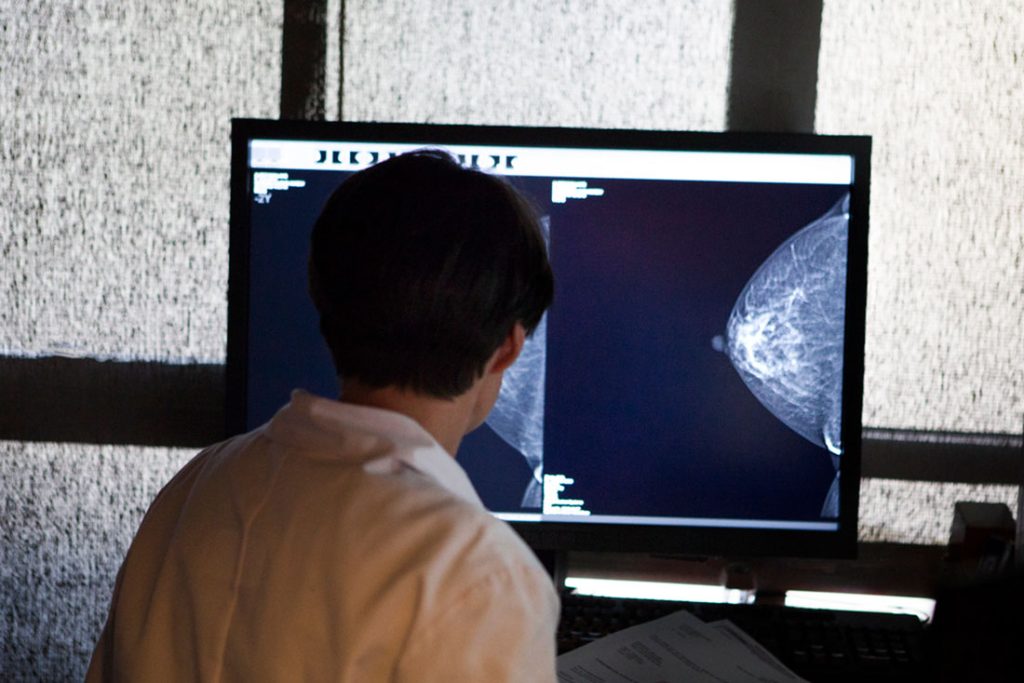
A 2D mammogram is a conventional breast imaging technique that uses low-dose X-rays to capture two-dimensional images of the breast. Typically, two views of each breast are taken: the top-to-bottom (craniocaudal) and the side view (mediolateral oblique). This allows radiologists to evaluate the overall structure of the breast, detect masses, and identify suspicious calcifications.
How 2D Mammograms Work
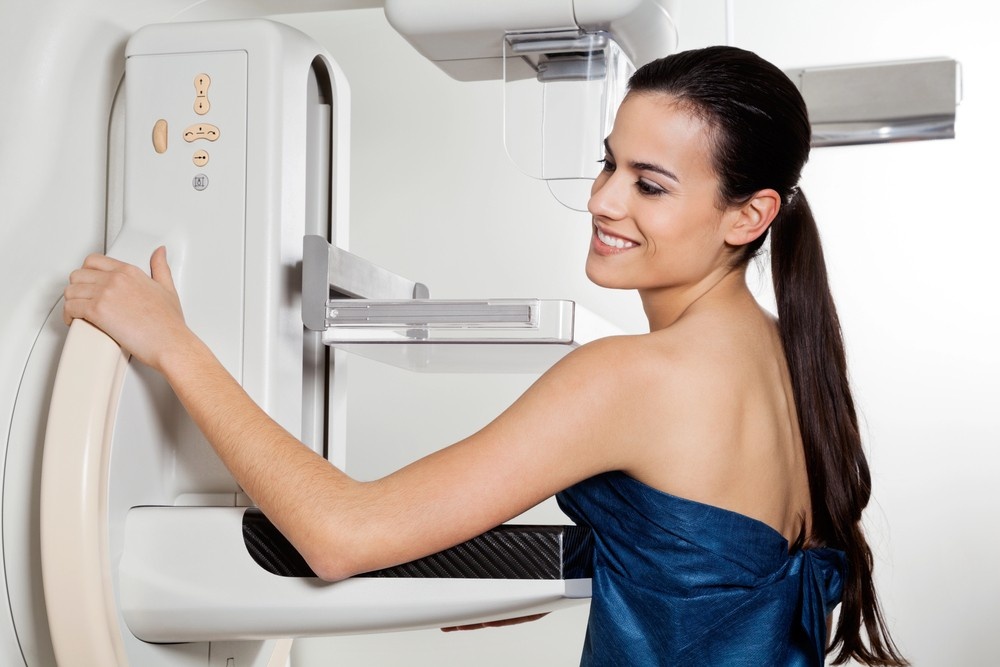
In a 2D mammogram, the breast is gently compressed between two plates to spread the tissue evenly. The X-ray then passes through the breast, creating a flat image of all the structures within. This method is efficient, widely available, and has been the standard for decades.
Advantages of 2D Mammograms
- Established Method: 2D mammography has a long history and a well-understood diagnostic record.
- Quick Procedure: The imaging process is relatively fast and simple.
- Cost-Effective: Generally, 2D mammograms are less expensive than newer technologies.
Limitations of 2D Mammograms
While 2D mammograms are highly effective, they can sometimes miss small cancers, especially in women with dense breast tissue. Overlapping tissue in a flat image may obscure lesions, leading to additional imaging or follow-ups.
Understanding 3D Mammography
What Is a 3D Mammogram?
3D mammography, also known as digital breast tomosynthesis, produces multiple X-ray images of the breast from different angles. These images are reconstructed into thin slices, allowing radiologists to examine the breast layer by layer. This approach provides a clearer and more detailed view than traditional 2D mammograms.
How 3D Mammograms Work
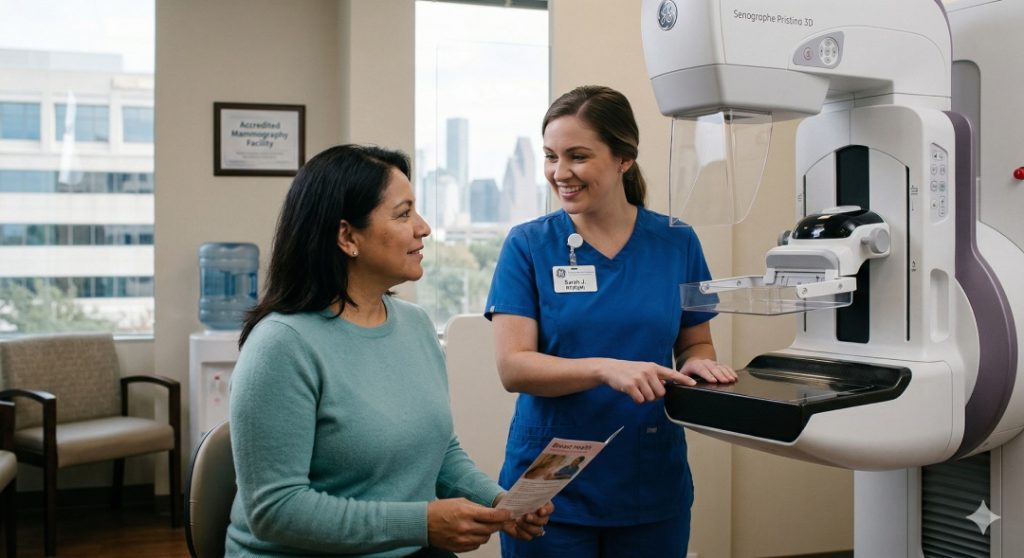
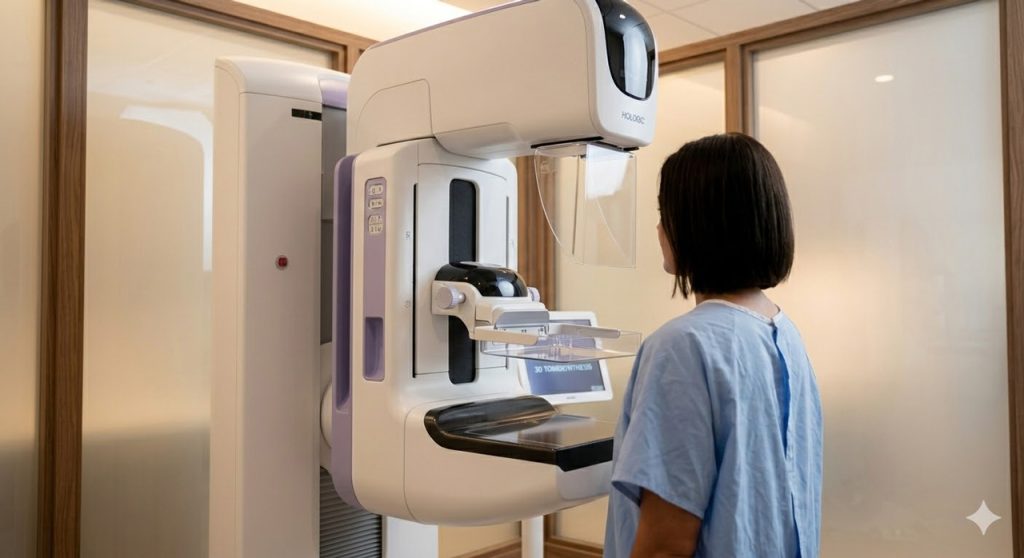
During a 3D mammogram, the breast is similarly compressed, but the X-ray machine moves in an arc over the breast, capturing numerous images from different angles. Specialized software then reconstructs these images into a three-dimensional model.
Radiologists can scroll through the slices, which reduces the issue of overlapping tissue and improves the detection of small or hidden lesions.
Advantages of 3D Mammograms
- Better Detection in Dense Breasts: 3D mammography is particularly helpful for women with dense breast tissue.
- Fewer Callbacks: By providing a clearer view, 3D mammograms can reduce the need for additional imaging due to unclear results.
- Improved Accuracy: Studies show that 3D mammography can detect cancers earlier and with greater confidence.
Limitations of 3D Mammograms
- Slightly Longer Procedure: 3D imaging takes more time than a standard 2D mammogram.
- Higher Cost: The technology and processing involved can increase the cost compared to 2D mammography.
- Availability: Not all imaging centers offer 3D mammography, although it is becoming more widespread.
Comparing 2D and 3D Mammograms
Imaging Quality and Detection
The main difference between 2D and 3D mammograms is the level of detail. 3D mammograms allow radiologists to see breast tissue in layers, which can reveal small abnormalities that may be missed in 2D imaging.
Accuracy in Dense Breast Tissue
Women with dense breasts face a higher risk of missed cancers using 2D mammography because overlapping tissue can hide lesions. 3D mammography improves detection in dense tissue, making it a preferred option for women at higher risk.
Radiation Exposure
Both 2D and 3D mammograms use low-dose X-rays, and modern 3D systems are designed to keep radiation exposure comparable to traditional 2D imaging. In many cases, a 3D mammogram is performed alongside a 2D mammogram, slightly increasing the total exposure, but remaining within safe limits.
Screening Recommendations
Medical guidelines vary, but generally, 2D mammograms remain the standard for routine breast cancer screening. 3D mammography may be recommended for women with dense breast tissue, a family history of breast cancer, or other risk factors.
At NextGen Diagnostic Imaging, we evaluate individual risk factors to help patients determine the most appropriate screening method.
The Patient Experience
Comfort During the Procedure
Both 2D and 3D mammograms involve breast compression, which some patients find uncomfortable. Technicians at NextGen Diagnostic Imaging are trained to minimize discomfort while ensuring high-quality images.
Time Required
2D mammograms typically take about 15 minutes, while 3D mammograms may take slightly longer due to the additional imaging and reconstruction. However, the extra time can reduce the need for repeat imaging.
Understanding Results
With 3D mammography, radiologists can provide more detailed feedback on findings. This can help patients understand their results more clearly and reduce anxiety related to unclear or inconclusive 2D results.
Making an Informed Choice
When deciding between a 2D and 3D mammogram, consider the following factors:
- Breast Density: Dense breast tissue may benefit from 3D mammography.
- Risk Factors: Family history, genetic predisposition, or previous abnormal findings may warrant 3D imaging.
- Availability and Cost: Consider whether 3D mammography is accessible and covered by insurance.
- Personal Preference: Discuss comfort, time, and desired accuracy with your healthcare provider.
At NextGen Diagnostic Imaging, we provide personalized guidance to help patients choose the imaging method that best meets their needs.
The Future of Mammography
Advancements in imaging technology continue to improve breast cancer detection. 3D mammography is part of a broader trend toward more precise, patient-centered screening. Future innovations may integrate artificial intelligence to assist radiologists in interpreting complex images, potentially increasing early detection rates and further reducing unnecessary callbacks.
Walk-In Mammograms in Houston: Why Choose NextGen Diagnostic Imaging in the Mahatma Gandhi District
When it comes to breast health, convenience, accuracy, and patient care matter most. NextGen Diagnostic Imaging offers walk-in mammograms in Houston, making it easier than ever for women to prioritize their health without the hassle of scheduling weeks in advance.
Located conveniently in the Mahatma Gandhi District, we combine state-of-the-art technology with compassionate care to provide an unmatched screening experience.

Convenient Walk-In Mammograms
We understand that life in Houston can be busy. That’s why NextGen Diagnostic Imaging offers walk-in mammograms, allowing patients to get screened without prior appointments. This flexibility means you can prioritize your health without disrupting your daily routine. Whether it’s during a lunch break or on a day off, our team is ready to provide a professional, efficient experience.
State-of-the-Art Imaging Technology
At NextGen Diagnostic Imaging, we use the latest 2D and 3D mammography technology to ensure accurate and thorough breast cancer screening.
Our advanced imaging systems allow radiologists to detect abnormalities early, giving you peace of mind and confidence in your results. With clear, detailed imaging, we make early detection simpler and more reliable than ever.
Expert and Compassionate Care
We know that mammograms can be stressful for many patients. That’s why our team is trained to provide a supportive and comfortable environment throughout the process. From friendly check-in staff to experienced radiologists, every part of your visit is designed to put you at ease while ensuring the highest level of medical care.
Why Choose NextGen Diagnostic Imaging?
- No Appointment Needed: Walk in at your convenience.
- Quick and Efficient: Get screened without long waits.
- Advanced Technology: Access to 2D and 3D mammography for better detection.
- Professional Staff: Experienced radiologists and supportive technicians.
- Central Location: Easily accessible in Houston’s Mahatma Gandhi District.
Choosing NextGen Diagnostic Imaging means choosing accuracy, convenience, and compassionate care all in one place. We’re committed to making breast health screenings accessible and stress-free for every woman in Houston.
Visit Us Today
Don’t wait to prioritize your health. Visit NextGen Diagnostic Imaging in the Mahatma Gandhi District for a walk-in mammogram in Houston today. Early detection saves lives, and with our convenient walk-in services, taking care of your breast health has never been easier.
Walk in today or call us for more information and experience why NextGen Diagnostic Imaging is Houston’s trusted choice for mammograms!
NextGen Diagnostic Imaging Serving the Mahatma Gandhi District Community and Beyond in Houston
NextGen Diagnostic Imaging is dedicated to serving the diverse needs of the local community of Houston, including individuals residing in neighborhoods like Mahatma Gandhi District. With its convenient location near landmarks such as the Benavidez Elementary School and major intersections like Westward St. & Gulfton St. (coordinates: 29.716704099999987, -95.4938099), we offer walk-in mammograms Houston services.
Get Walk-In MammogramsServices at Mahatma Gandhi District Now
Navigate from Mahatma Gandhi District to NextGen Diagnostic Imaging Now
Conclusion
Understanding the differences between 2D and 3D mammograms is essential for making informed decisions about breast health.
- 2D Mammograms: Fast, cost-effective, and widely available, ideal for routine screenings.
- 3D Mammograms: Provide detailed imaging, improved detection in dense breasts, and fewer callbacks.
At NextGen Diagnostic Imaging, our professional team is dedicated to guiding patients through their options and ensuring high-quality, accurate screening tailored to individual needs. By staying informed, women can take proactive steps toward early detection and effective breast health management.
FAQs
1. Can I get a mammogram at NextGen Diagnostic Imaging without an appointment?
Yes! NextGen Diagnostic Imaging offers walk-in mammograms in Houston, so you can get screened conveniently without scheduling in advance.
2. What types of mammograms are available at NextGen Diagnostic Imaging?
We provide both 2D and 3D mammograms, ensuring detailed imaging for accurate breast cancer detection, including in women with dense breast tissue.
3. How long does a walk-in mammogram take?
Walk-in mammograms at NextGen Diagnostic Imaging are quick and efficient, typically completed within 15–30 minutes, depending on the type of imaging and patient needs.
4. Is the staff at NextGen Diagnostic Imaging experienced and supportive?
Absolutely. Our team consists of professional radiologists and friendly technicians who prioritize patient comfort while delivering high-quality imaging results.
5. Where is NextGen Diagnostic Imaging located in Houston?
We are conveniently located in the Mahatma Gandhi District, making it easy for patients in Houston to access our walk-in mammogram services.

NextGen Scans
Be part of a team driven by compassion and a commitment to putting patients first. At NextGen Scans, the care you provide has a meaningful impact every single day.
or Call us at
(346) 487-7037
How Often Women Should Get A Mammogram For Early Detection
Early detection is one of the most effective ways to reduce the impact of breast cancer. Mammograms, specialized X-ray exams of the breast, are an important tool in identifying breast cancer before symptoms appear. But how often should women get a mammogram? This guide explains the recommended schedules, the factors that influence screening frequency, and…Do MRI Services Require Fasting Before The Scan
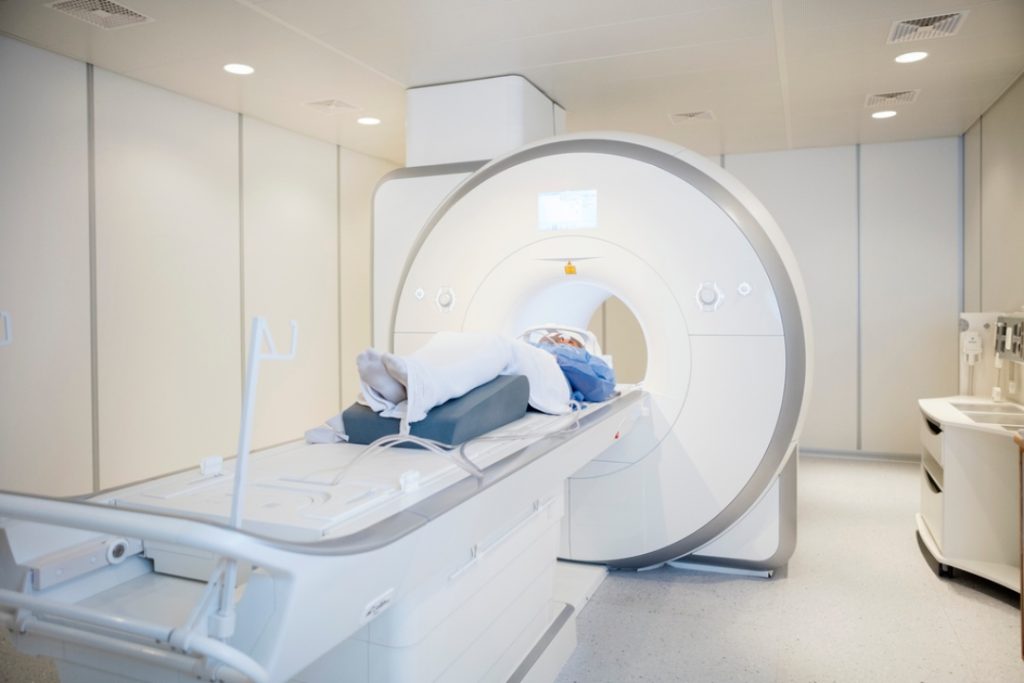
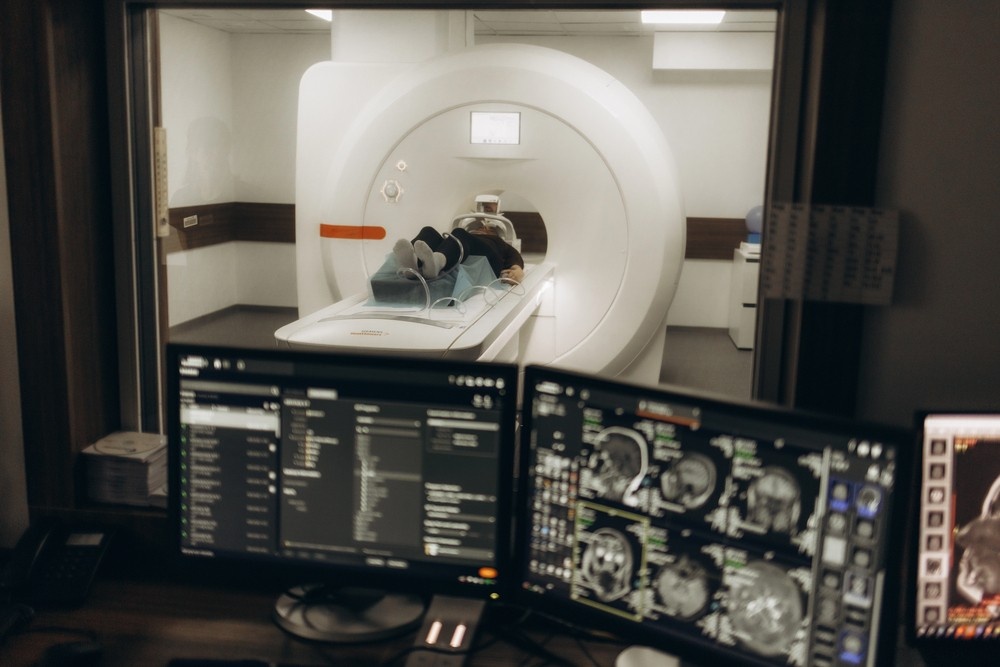
Magnetic Resonance Imaging (MRI) has become an essential tool in modern medical diagnostics. It provides detailed images of internal structures, helping healthcare providers detect and monitor a wide range of conditions. However, patients often have questions about preparing for an MRI, especially regarding fasting. This guide will explain whether fasting is required, why it may…How Accurate Are MRI Services In Medical Diagnosis
Medical imaging has changed how doctors detect and monitor many health conditions. One of the most widely used imaging tools is the Magnetic Resonance Imaging (MRI). MRI services help doctors look inside the body without surgery, using detailed images of organs, tissues, and structures. When talking about diagnostic imaging, many patients ask an important question:…

Contact Us: We’re Here to Help!
We’d love to hear from you! Whether you have questions about our services, need more information on our diagnostic and pain management options, or would like to schedule an appointment, our friendly and professional team is here to assist you every step of the way. We are dedicated to providing you with the best care and support, and we are happy to address any concerns or inquiries you may have.