Can 3D Mammograms Reduce False Positives?
January 22, 2026
Breast cancer screening has come a long way over the past few decades. Traditional 2D mammograms have saved countless lives by catching cancer early. Yet, one challenge remains stubborn: false positives. These results can trigger unnecessary anxiety, extra testing, and added medical costs.
Enter 3D mammograms, also known as digital breast tomosynthesis. But can they actually reduce false positives? Let’s break it down in simple terms, explore the science, and see how cutting-edge clinics like NextGen Diagnostic Imaging are making a difference.
Understanding Mammograms: The Basics
What is a Mammogram?
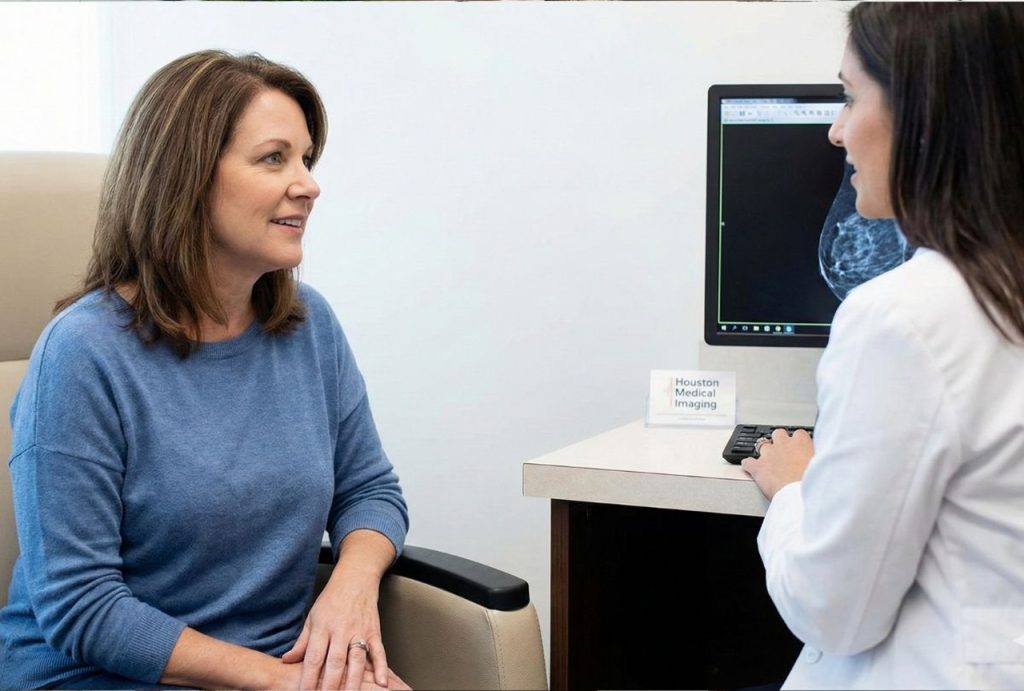
A mammogram is an X-ray of the breast that helps detect cancer before symptoms appear. Think of it like a high-tech map of your breast tissue. Radiologists examine these images for abnormalities such as lumps, calcifications, or unusual tissue patterns. Early detection often means easier treatment and better survival rates. Regular mammograms are recommended for women starting at age 40, though high-risk individuals may start earlier.
How Traditional 2D Mammograms Work
Traditional 2D mammograms capture two flat images of each breast, usually one from the top and one from the side. While effective, 2D imaging can sometimes create overlapping shadows. These overlaps may look suspicious, even when there’s nothing abnormal. That’s where false positives creep in—creating unnecessary worry and follow-up tests that could have been avoided.
The Problem with False Positives in Breast Screening
What Counts as a False Positive?
A false positive occurs when a mammogram flags a region as suspicious, but further tests reveal no cancer. Imagine a fire alarm going off because of burnt toast—it alerts you to a problem that isn’t real. False positives lead to extra imaging, biopsies, and sometimes surgery. They don’t harm the body physically, but they can leave an emotional and financial mark.
Emotional and Financial Impact on Patients
False positives affect more than just medical records—they touch lives. Patients may experience anxiety, fear, and stress while waiting for results. Multiple follow-ups may mean days off work, additional medical bills, and emotional strain on families.
Minimizing false positives is crucial not only for medical accuracy but also for improving patient experience and reducing unnecessary healthcare costs.
Introduction to 3D Mammography (Tomosynthesis)
How 3D Mammograms Differ from 2D
Unlike 2D mammograms, 3D mammograms capture multiple images of the breast at different angles. These images are compiled into thin slices that radiologists can scroll through, almost like flipping through pages in a book. This technique reduces overlapping tissue and allows doctors to see abnormalities more clearly. It’s particularly helpful for women with dense breast tissue, where traditional mammograms may struggle.
The Technology Behind 3D Imaging
3D mammography uses a specialized X-ray machine that moves in an arc over the breast, capturing multiple images in seconds. Advanced software reconstructs these images into a three-dimensional view. Radiologists can then analyze each “slice” independently, reducing the chance of missing tumors hidden behind dense tissue or mistaking overlapping tissue for cancer.
Clinical Studies on 3D Mammograms
Evidence Showing Reduced False Positives
Clinical research consistently shows that 3D mammography reduces false positives significantly. One large study found that 3D mammograms cut unnecessary callbacks by nearly 40% compared to standard 2D imaging. Fewer false positives mean patients undergo fewer follow-ups, reducing stress and exposure to unnecessary procedures.
Comparison of Detection Rates: 2D vs 3D
Besides minimizing false positives, 3D mammography often detects more invasive cancers. For women with dense breast tissue, 3D mammograms can reveal small tumors that 2D scans might miss. This leads to earlier diagnosis and treatment, improving the chances of successful outcomes.

Advantages of 3D Mammography
Improved Accuracy
3D imaging allows radiologists to examine breast tissue layer by layer. This detailed approach significantly reduces misinterpretation. With 2D mammograms, overlapping tissue can mimic abnormalities. 3D technology eliminates much of this guesswork, improving diagnostic confidence.
Earlier Detection of Small Tumors
Early-stage cancers are often tiny and difficult to see in 2D scans. By creating a “slice-by-slice” view, 3D mammograms uncover these subtle abnormalities. Detecting tumors earlier increases treatment options and can dramatically improve survival rates.
Better for Dense Breast Tissue
Dense breast tissue can hide cancers in standard 2D images. Women with dense breasts are at higher risk of false positives and missed cancers. 3D mammography slices through dense tissue, revealing hidden tumors and reducing unnecessary follow-ups.
Limitations and Considerations
Radiation Exposure
3D mammograms involve slightly more radiation than 2D scans, but the dose remains well within safe limits. Modern machines use optimized settings to minimize exposure while providing high-quality images. For most patients, the benefits of accurate detection outweigh the minimal risk.
Cost and Insurance Coverage
3D mammograms tend to cost more than traditional scans. Insurance coverage varies, though many plans now cover 3D imaging for breast cancer screening. Patients should check with their providers beforehand to avoid unexpected expenses.
Not a Perfect Solution
No screening method is perfect. While 3D mammography reduces false positives and improves detection, it does not eliminate errors entirely. Regular screenings and follow-up care remain essential.
NextGen Diagnostic Imaging: A Leader in 3D Mammograms
State-of-the-Art Technology
At NextGen Diagnostic Imaging, patients benefit from the latest 3D mammography machines. These devices capture high-resolution images that reveal fine details, ensuring radiologists can spot even subtle anomalies.
Experienced Radiologists
Technology is only as good as the people behind it. NextGen’s team of expert radiologists has years of experience in breast imaging. They carefully review each slice to reduce misinterpretation and provide accurate diagnoses.
Patient-Centered Approach
NextGen Diagnostic Imaging emphasizes patient comfort and education. Staff guide patients through the process, answer questions, and provide clear explanations. This approach reduces anxiety and improves the overall screening experience.
Preparing for Your 3D Mammogram
What to Expect During the Appointment
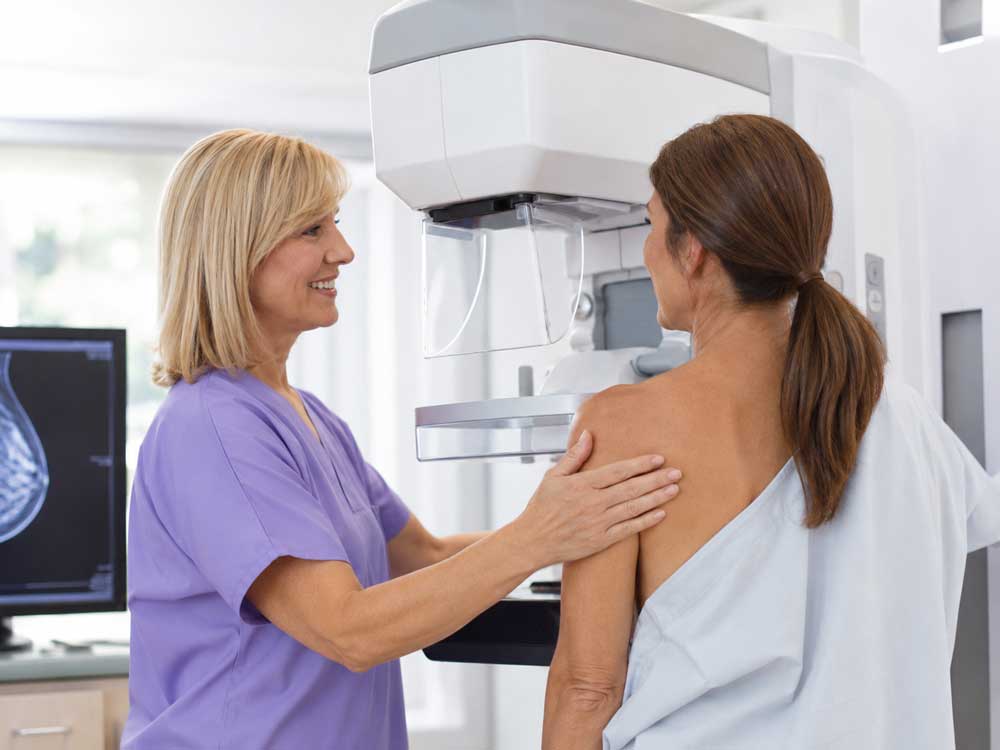
During a 3D mammogram, the technician positions your breast on a platform, gently compressing it while taking images. The procedure usually takes 10–15 minutes, including setup. Compression is necessary for clear imaging and is brief, lasting only a few seconds per image.
Tips for Comfort and Accuracy
- Wear a two-piece outfit to make positioning easier.
- Avoid deodorants, powders, or lotions on the day of the exam, as these can appear on X-rays.
- Communicate any discomfort to the technician—they can adjust positioning.
- Relaxing your muscles during imaging can improve image clarity and make the process smoother.
Addressing Common Concerns About 3D Mammograms
Safety Questions
Radiation levels remain within safe limits. For most patients, the benefits of detecting cancer early far outweigh the minimal radiation risk.
Pain and Discomfort
Compression is necessary but usually tolerable. Most patients describe it as mild pressure rather than pain. The process takes only seconds per image, and the clarity gained is worth the brief discomfort.
Accuracy Compared to Traditional Mammograms
Multiple studies confirm that 3D mammograms provide clearer images, reduce false positives, and detect more early-stage cancers compared to 2D scans. Radiologists can examine tissue layer by layer, improving overall accuracy.
Future of Breast Imaging
AI Integration
Artificial intelligence is starting to assist radiologists in analyzing mammograms. AI algorithms can highlight areas that may require closer review, reducing the chance of false positives and saving time.
Personalized Screening Plans
Future breast imaging may offer tailored screening based on individual risk factors such as age, family history, genetics, and breast density. Personalized plans can optimize early detection while minimizing unnecessary tests.
NextGen Diagnostic Imaging Serving the Shenandoah Community and Beyond in Houston
NextGen Diagnostic Imaging is dedicated to serving the diverse needs of the local community of Houston, including individuals residing in neighborhoods like Shenandoah. With its convenient location near landmarks such as the The Apple Tree Academy Houston and major intersections like Ferris St. & Elm St. (coordinates: 29.712205880863944, -95.47310075215928), we offer 3D mammograms Houston services.
Get 3D Mammograms at Shenandoah Now
Navigate from Shenandoah to NextGen Diagnostic Imaging Now
The Impact of 3D Mammography on Breast Cancer Screening
3D mammography represents a significant leap forward in breast cancer screening. It reduces false positives, improves detection in dense breast tissue, and alleviates patient anxiety.
Clinics like NextGen Diagnostic Imaging are leading the way, combining cutting-edge technology with skilled radiologists and patient-centered care. While no screening method is perfect, 3D mammograms offer a safer, more accurate, and reassuring approach for women seeking reliable breast cancer detection.
FAQs
1. How much more accurate are 3D mammograms?
3D mammograms can reduce false positives by up to 40% and detect small tumors that traditional 2D scans might miss.
2. Are 3D mammograms safe for repeated use?
Yes. Radiation exposure is slightly higher than 2D mammograms but still within safe limits for regular screenings.
3. Do 3D mammograms take longer than 2D?
They take slightly longer, usually just a few extra minutes, but the detailed imaging they provide is worth it.
4. Will insurance cover a 3D mammogram?
Many insurance plans cover 3D mammograms, but coverage varies. It’s best to confirm with your provider before scheduling.
5. Are 3D mammograms suitable for all women?
3D mammograms are recommended for most women, especially those with dense breast tissue or higher risk factors.

NextGen Scans
Be part of a team driven by compassion and a commitment to putting patients first. At NextGen Scans, the care you provide has a meaningful impact every single day.
or Call us at
(346) 487-7037
What Imaging Centers Won’t Tell You About Wait Times
When you book an appointment at imaging centers, you may expect the visit to take only as long as the scan itself. That is not always the case. This can make it easier to manage your schedule and know what to expect during visits. Check-in, paperwork, preparation, equipment, staffing, and other patients can affect your…Your Pain Won’t Wait. Neither Should Your Ultrasound
When you’re dealing with pain, waiting can make every day harder. If you’re searching for a cheap ultrasound, price may be one of your first concerns. Yet the lowest price isn’t always the best value. You also need to consider imaging quality, staff experience, preparation requirements, and how results are handled. When comparing providers, ask…What Actually Happens During a Breast Ultrasound
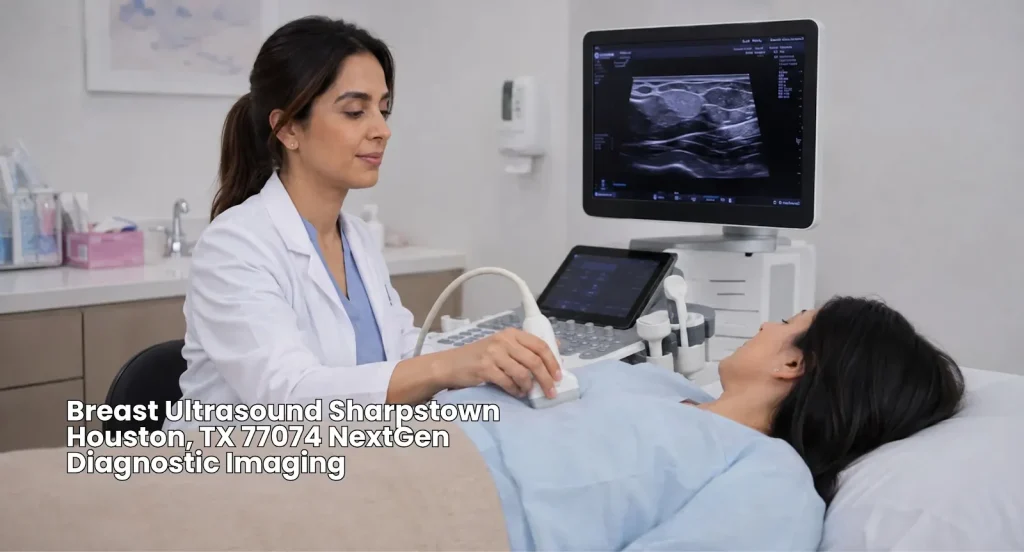
Why Your Doctor May Recommend Breast Ultrasound A breast ultrasound creates detailed pictures of breast tissue using high-frequency sound waves. Doctors often recommend it after finding a lump, unusual pain, nipple discharge, or an area needing a closer look on a mammogram. It can also help show if a mass is fluid-filled or solid. If…

Contact Us: We’re Here to Help!
We’d love to hear from you! Whether you have questions about our services, need more information on our diagnostic and pain management options, or would like to schedule an appointment, our friendly and professional team is here to assist you every step of the way. We are dedicated to providing you with the best care and support, and we are happy to address any concerns or inquiries you may have.