Exploring Non-Invasive Diagnostic Options: Benefits and Considerations
January 7, 2025
In the world of healthcare, traditional diagnostic methods like biopsies and surgical procedures can often be invasive, requiring patients to endure discomfort or long recovery times. However, thanks to technological advancements, non-invasive diagnostic options are becoming increasingly available, offering a less intrusive, more comfortable approach to detecting and monitoring health conditions. At NextGen Scans, we are proud to be at the forefront of these innovations, providing patients with cutting-edge, non-invasive diagnostic solutions.
What are Non-Invasive Diagnostic Tests?
Non-invasive diagnostic tests are medical procedures that help doctors gather essential information about a patient’s health without requiring any incisions or the removal of tissue. These tests utilize technologies such as imaging, blood tests, and other tools to provide insights into the body’s internal condition while minimizing discomfort and risk.
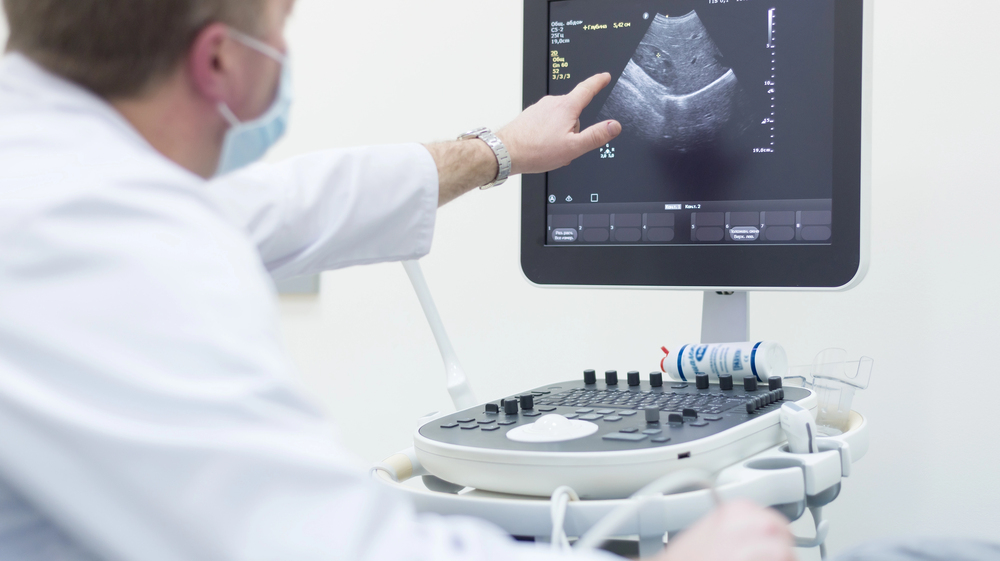
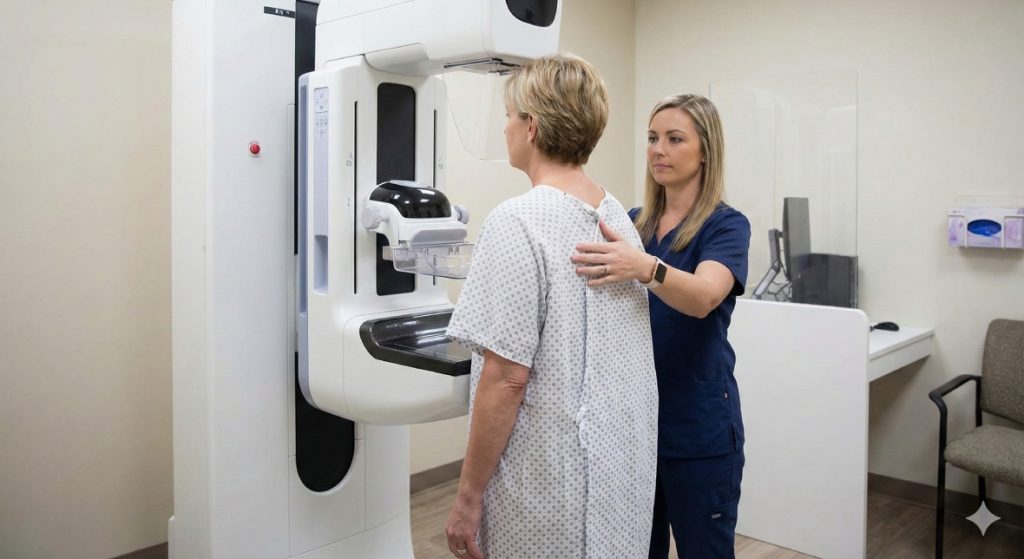
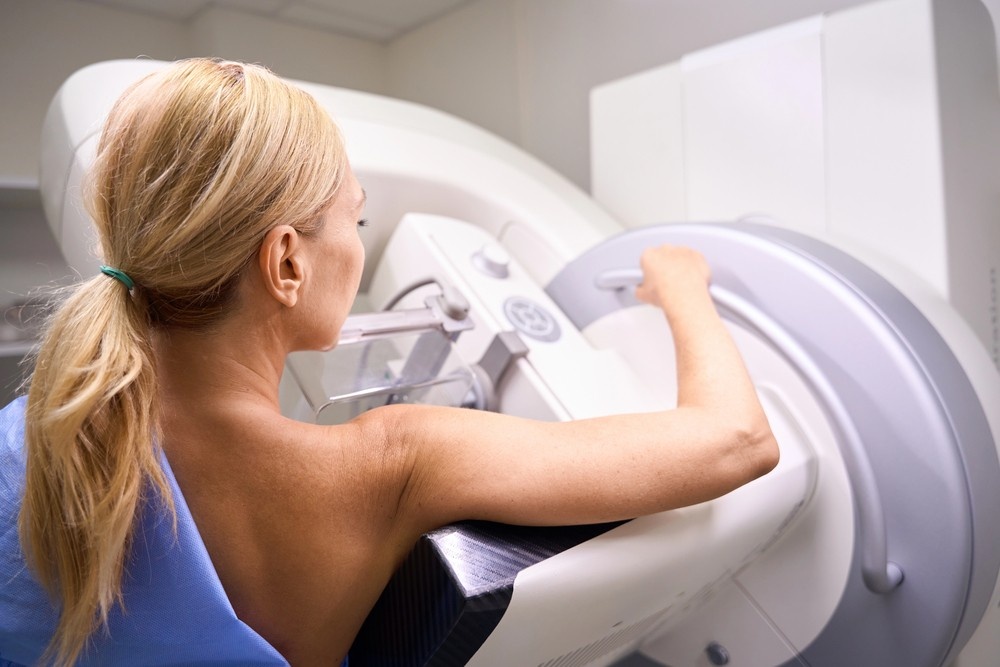
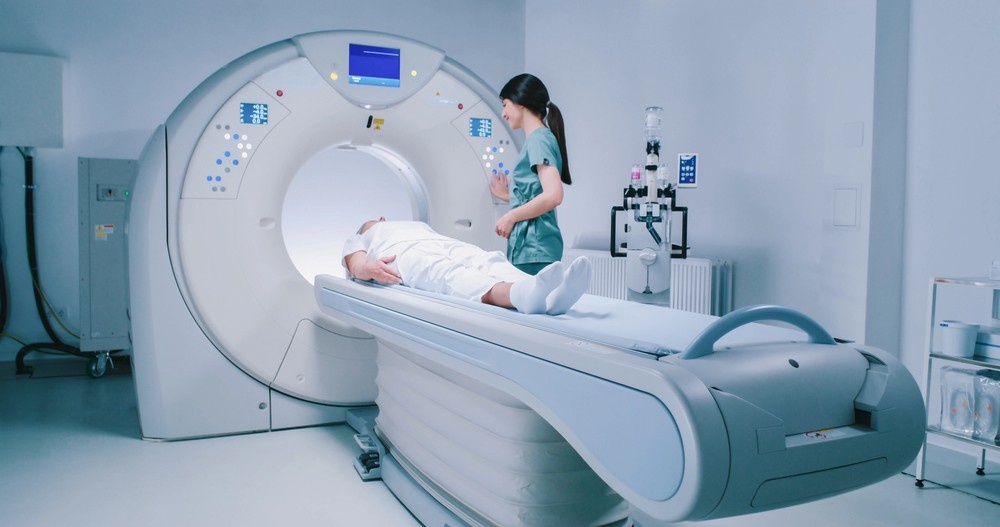
Examples of non-invasive diagnostic options include:
Each of these technologies plays a crucial role in detecting diseases, monitoring progress, and aiding in early diagnosis—all without the need for invasive techniques.
Key Benefits of Non-Invasive Diagnostic Options
Reduced Patient Discomfort and Risk
One of the primary advantages of non-invasive diagnostic tests is that they offer a much more comfortable experience for patients compared to invasive procedures. Whether it’s an MRI scan or a simple blood test, non-invasive options generally do not require needles, cuts, or stitches. This reduces both the immediate pain and long-term recovery time that can come with more invasive procedures.
At NextGen Scans, we focus on minimizing discomfort and promoting a positive experience by offering non-invasive options that are quick and easy.
Faster Recovery Time
Because non-invasive diagnostic tests don’t involve surgical procedures or tissue removal, recovery times are either minimal or nonexistent. This makes them ideal for patients who need a diagnosis but want to avoid lengthy hospital stays or extended healing times. Additionally, non-invasive options are often faster, allowing patients to get results quickly and start treatment as soon as possible.
Lower Risk of Infection or Complications
Surgical procedures and biopsies always carry the risk of infection or complications. In contrast, non-invasive diagnostic tests are generally much safer, with no risk of introducing infection through incisions. This makes them a preferable option for many patients, particularly those with weakened immune systems or those who are at a higher risk of complications.
Accessibility and Convenience
Non-invasive diagnostic options are often more accessible and convenient for patients, especially in terms of scheduling. Procedures like blood tests or ultrasounds can often be done at specialized clinics, and the equipment is widely available in most healthcare settings. This reduces wait times and makes diagnostic care more easily accessible to individuals across various demographics.
Better for Routine Monitoring and Preventive Care
Many chronic conditions require frequent monitoring to assess progression or effectiveness of treatments. Non-invasive tests such as regular blood work or non-invasive imaging allow patients to track their health over time without undergoing invasive procedures repeatedly. This is particularly beneficial for patients with conditions like diabetes, heart disease, or even cancer, where early detection can lead to better outcomes.
Considerations and Limitations of Non-Invasive Diagnostic Options
While non-invasive diagnostic tests have numerous benefits, it’s important to be aware of their limitations:
Accuracy May Vary
Some non-invasive tests may not always provide as detailed or accurate information as invasive procedures. For example, while MRI and CT scans are incredibly effective at detecting a variety of conditions, they may not always detect certain types of cancers or other conditions as precisely as a biopsy might. It’s important to consult with a healthcare provider to determine which diagnostic method is most appropriate for your specific situation.
Limited Availability for Certain Conditions
Not all health issues can be diagnosed using non-invasive methods. Certain conditions may require more invasive tests to confirm a diagnosis. For example, cancers in difficult-to-reach organs may require invasive procedures like biopsies for a definitive diagnosis.
Cost Considerations
While non-invasive tests can often be more convenient, some of the advanced technologies like MRI or CT scans may still be costly, depending on the healthcare setting. It’s important to weigh the cost of these tests against their benefits and consult with a healthcare provider to understand the most cost-effective diagnostic option for your needs.
Cost Considerations
While non-invasive tests can often be more convenient, some of the advanced technologies like MRI or CT scans may still be costly, depending on the healthcare setting. It’s important to weigh the cost of these tests against their benefits and consult with a healthcare provider to understand the most cost-effective diagnostic option for your needs.
The Future of Non-Invasive Diagnostics
The future of non-invasive diagnostics looks bright, with continuous advancements in technology paving the way for even more effective and accessible tools. Innovations like AI-powered diagnostics, wearable health monitors, and improved imaging technologies are making non-invasive tests faster, more accurate, and more widely available.
At NextGen Scans, we’re excited about these advancements and continue to explore new ways to improve the patient experience. Our goal is to provide you with the most accurate, non-invasive diagnostic tools to help you take control of your health with confidence.
Non-invasive diagnostic options are revolutionizing the way we approach healthcare by offering safe, efficient, and comfortable alternatives to traditional invasive procedures. From faster recovery times to better accessibility, these options are not only improving the patient experience but also making healthcare more personalized and effective. While they may not always replace invasive tests in every case, they offer numerous benefits and can provide valuable insights for routine check-ups, early detection, and ongoing monitoring.
At NextGen Scans, we are committed to providing the latest non-invasive diagnostic options to ensure that our patients receive the highest level of care with as little discomfort as possible. If you’re looking for advanced, non-invasive testing to better understand your health, contact us today to learn more about the services we offer.

NextGen Scan
What Makes an Ultrasound Affordable Without Sacrificing Accuracy?
When patients hear that an ultrasound is “affordable,” the word often triggers doubt. In a healthcare system where prices vary wildly, many people assume lower cost must mean lower quality. After all, we’ve been trained to believe that better care always costs more. But diagnostic imaging doesn’t work that way. Ultrasound accuracy isn’t determined by…Breast Ultrasound Vs Mammogram: Key Differences Explained
Breast imaging is one of the most important tools in modern preventive medicine, yet it’s also one of the most misunderstood. Many people hear terms like mammogram or ultrasound and immediately associate them with fear, discomfort, or uncertainty. This reaction is understandable—medical tests can feel intimidating, especially when they involve sensitive areas of the body….How Cheap Mammograms Help Women Stay on Track With Preventive Care
Preventive care is often talked about like a responsibility—but in reality, it’s a relationship. A relationship between a woman and her body, her time, her finances, and her future. Mammograms sit right at the center of that relationship. They’re simple, powerful, and proven. Yet for many women, especially those juggling work, family, and rising living…


Contact Us: We’re Here to Help!
We’d love to hear from you! Whether you have questions about our services, need more information on our diagnostic and pain management options, or would like to schedule an appointment, our friendly and professional team is here to assist you every step of the way. We are dedicated to providing you with the best care and support, and we are happy to address any concerns or inquiries you may have.