How Will X-Rays Show Soft Tissue Problems?
December 18, 2025
Medical imaging is a critical tool for diagnosing injuries and illnesses, and X-rays remain one of the most widely used imaging methods. While X-rays are highly effective for viewing bones and dense structures, many people wonder how well they can detect soft tissue problems.
In this article, we will explore the capabilities and limitations of X-rays in identifying soft tissue issues, helping you understand when and why this imaging method is used.
At NextGen Diagnostic Imaging, we provide high-quality X-ray services to patients seeking accurate and reliable diagnostic results.
Understanding X-Rays
Before discussing soft tissue, it is important to understand what X-rays are and how they work.
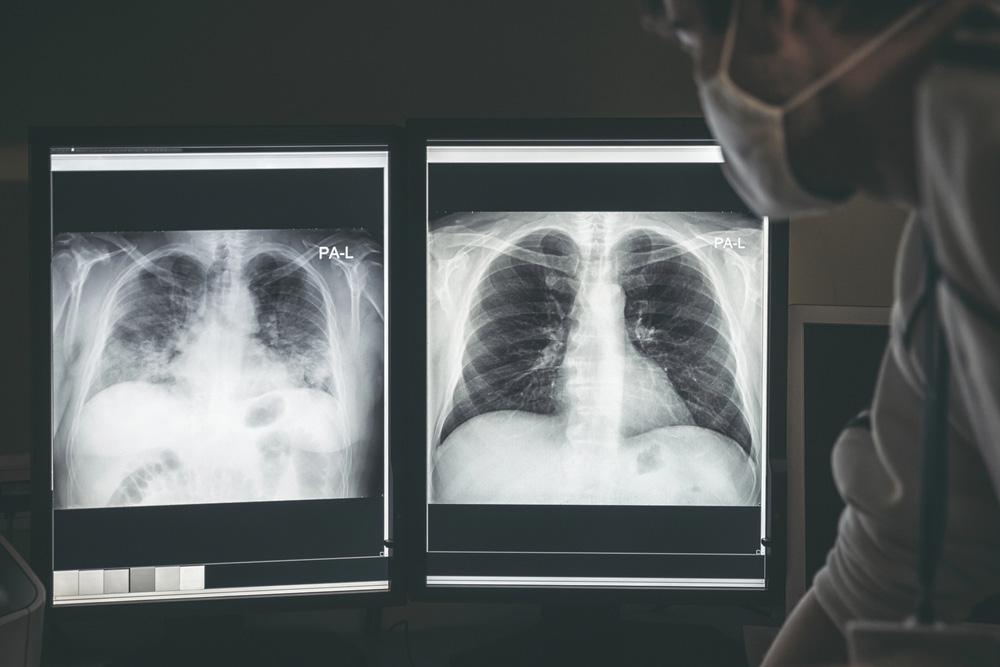
X-rays are a form of electromagnetic radiation that can pass through the body. Dense structures like bones absorb more X-rays and appear white on the image, whereas less dense structures, such as muscles, fat, and organs, allow more X-rays to pass through and appear darker. This density contrast helps radiologists distinguish different parts of the body.
Key Points About X-Rays:
- Best for examining bones, fractures, and joint abnormalities.
- Quick, non-invasive, and widely available.
- Limited in directly showing soft tissue, but can sometimes indicate problems indirectly.

Soft Tissue and X-Rays: What You Need to Know
Soft tissues include muscles, tendons, ligaments, cartilage, fat, and other connective tissues. These tissues are less dense than bone, making them harder to see clearly on traditional X-ray images.
Why X-Rays Have Limitations With Soft Tissue:
- Density Differences: Soft tissue has a density similar to surrounding structures, so it does not create a strong contrast on X-rays.
- Overlap: Layers of soft tissue can overlap, making it difficult to isolate specific structures.
- Indirect Signs: X-rays may show secondary signs of soft tissue problems, such as swelling, fluid accumulation, or displacement of bones.
For example, in a joint injury, an X-ray might reveal abnormal spacing between bones caused by a torn ligament, but it will not show the ligament itself.
Common Soft Tissue Problems That May Be Indicated on X-Rays
Even though X-rays are not the primary tool for soft tissue imaging, they can suggest the presence of certain conditions indirectly. These include:
1. Swelling and Inflammation
X-rays can detect soft tissue swelling around bones and joints. This may appear as a faint shadow or an increased space between structures. Swelling can indicate:
- Sprains or strains
- Infection
- Inflammatory conditions such as bursitis
2. Joint Abnormalities
X-rays may show changes in joint alignment caused by soft tissue injury. Examples include:
- Ligament tears leading to joint instability
- Tendon injuries affecting bone position
- Cartilage damage showing as reduced joint space
3. Foreign Bodies
X-rays are useful for detecting certain foreign objects embedded in soft tissue, especially if they are metallic or dense. However, objects made of wood, plastic, or similar materials may not be visible.
When X-Rays Alone Are Not Enough
For many soft tissue injuries, X-rays provide limited information. If a doctor suspects a soft tissue problem, they may recommend other imaging methods, such as:
MRI (Magnetic Resonance Imaging)
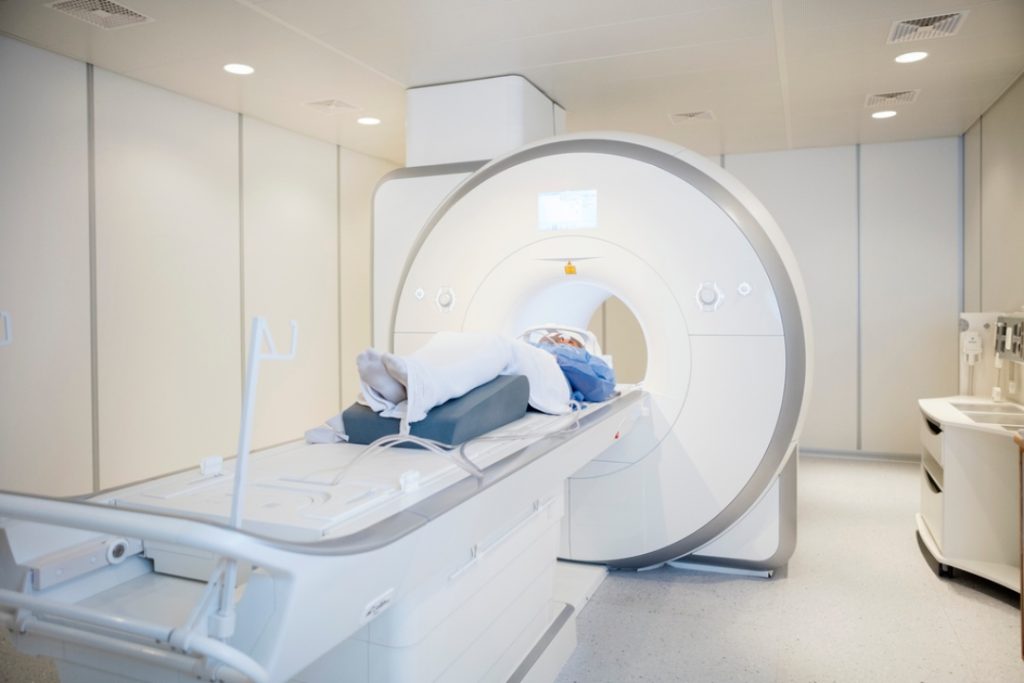
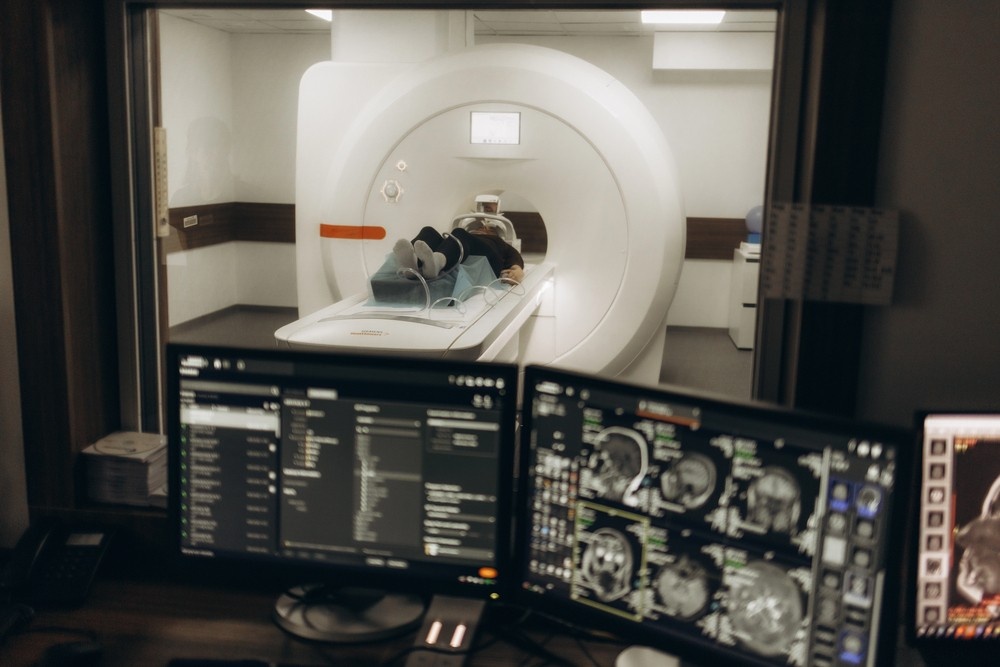
MRI uses magnetic fields and radio waves to create detailed images of soft tissues. Unlike X-rays, MRIs can show:
- Muscle tears
- Ligament and tendon injuries
- Cartilage damage
- Inflammation or swelling
Ultrasound
Ultrasound imaging is another option for evaluating soft tissue, especially for:
- Tendon and ligament tears
- Fluid collections like cysts or abscesses
- Muscle injuries
How Radiologists Interpret X-Rays for Soft Tissue Problems
Even though X-rays are not perfect for soft tissue imaging, skilled radiologists can detect subtle signs that suggest a problem. Interpretation often involves looking for:
- Changes in soft tissue shadows indicating swelling or mass
- Displacement of bones suggesting ligament or tendon injury
- Calcifications in soft tissue that may signal chronic injury or disease
Radiologists combine X-ray findings with the patient’s symptoms and medical history to provide a more accurate assessment.
Situations Where X-Rays Are Still Useful for Soft Tissue
Despite their limitations, X-rays remain an important tool in certain situations:
1. Trauma Cases
In emergency situations, X-rays are often the first imaging method used to rule out fractures or dislocations. Soft tissue injuries may be suspected based on indirect evidence, helping guide further testing.
2. Chronic Conditions
X-rays can reveal changes in bone structure caused by long-term soft tissue problems, such as:
- Arthritis leading to joint space narrowing
- Tendon or ligament calcification
- Bone spurs affecting surrounding tissue
3. Monitoring Healing
For some soft tissue injuries that involve adjacent bone changes, X-rays can track healing progress and ensure proper alignment.
Preparing for an X-Ray
X-rays are generally safe and straightforward, but proper preparation ensures accurate results:
- Wear loose, comfortable clothing and remove jewelry near the area being imaged.
- Inform your radiologist if you are pregnant, as X-rays involve low-level radiation.
- Follow specific instructions if the X-ray requires contrast or multiple views.
At NextGen Diagnostic Imaging, our trained staff guide patients through the process to ensure comfort and accuracy.
Advantages and Limitations of X-Rays for Soft Tissue
Advantages
- Quick and widely available
- Non-invasive
- Can reveal indirect signs of soft tissue problems
- Useful for ruling out bone injuries
Limitations
- Limited ability to show muscles, ligaments, and tendons directly
- Cannot detect subtle soft tissue tears
- Less effective for complex or deep tissue injuries
In many cases, X-rays serve as a starting point, and more advanced imaging may be required to get a complete picture.
Making the Right Choice: X-Ray vs. Advanced Imaging
Deciding whether an X-ray is sufficient depends on several factors:
- Type of injury or condition: Bone injuries may be clear, but soft tissue issues often require MRI or ultrasound.
- Severity of symptoms: Severe pain, swelling, or instability may indicate the need for more detailed imaging.
- Medical history: Chronic conditions or previous injuries may affect imaging decisions.
Doctors at NextGen Diagnostic Imaging evaluate each case individually, using X-rays as part of a broader diagnostic approach to ensure accurate results.
Choose NextGen Diagnostic Imaging for X-Ray Services in Houston’s Mahatma Gandhi District
When it comes to accurate and reliable X-ray services in Houston, NextGen Diagnostic Imaging stands out for quality, precision, and patient care. Located conveniently in the Mahatma Gandhi District, we are proud to provide a seamless imaging experience for our community.
Why Trust NextGen Diagnostic Imaging for X-Rays?
1. Advanced Technology
At NextGen Diagnostic Imaging, we use the latest X-ray technology to deliver clear, precise images. Our state-of-the-art equipment allows for faster imaging with minimal radiation exposure, ensuring your safety without compromising on detail.
2. Expert Radiologists and Technicians
Our highly trained team specializes in interpreting X-ray images accurately. From bone fractures to soft tissue evaluations, our radiologists ensure that every image is carefully analyzed, helping your doctor make informed decisions about your care.
3. Quick and Comfortable Experience
We understand that medical imaging can be stressful. That’s why we prioritize a smooth, efficient, and comfortable process. With flexible scheduling, minimal wait times, and a patient-centered approach, your visit will be as convenient as possible.
4. Comprehensive Services
Whether you need an X-ray for an injury, joint evaluation, or routine screening, we provide a wide range of imaging services to meet your needs. Our team works closely with you and your physician to ensure that every test is relevant, timely, and accurate.
5. Central Location in the Mahatma Gandhi District
Located in the heart of the Mahatma Gandhi District, our Houston facility is easily accessible for residents and businesses in the area. Parking is convenient, and our welcoming staff makes every visit simple and stress-free.
What Sets Us Apart?
At NextGen Diagnostic Imaging, we don’t just take X-rays—we provide clarity, confidence, and peace of mind. Here’s what makes us different:
- Precision Imaging: High-quality images for accurate diagnoses
- Patient Focus: Friendly, professional care every step of the way
- Safety First: Low radiation exposure with modern technology
- Trusted Expertise: Experienced radiologists who understand complex cases
Schedule Your X-Ray Today
If you’re in Houston and need X-ray services, there’s no reason to look elsewhere. NextGen Diagnostic Imaging in the Mahatma Gandhi District is your trusted partner for reliable, accurate, and comfortable diagnostic imaging.
Book your appointment today and experience the difference of professional, patient-focused care.
NextGen Diagnostic Imaging Serving the Mahatma Gandhi District Community and Beyond in Houston
NextGen Diagnostic Imaging is dedicated to serving the diverse needs of the local community of Houston, including individuals residing in neighborhoods like Mahatma Gandhi District. With its convenient location near landmarks such as the Adaptive Behavior Center West and major intersections like Windswept Ln. and Stoney Brook Dr. (coordinates: 29.72569691306224, -95.50416586571953), we offer x-ray services Houston services.
Get X Ray Services at Mahatma Gandhi District Now
Navigate from Mahatma Gandhi District to NextGen Diagnostic Imaging Now
Conclusion
X-rays are a valuable diagnostic tool, but their ability to show soft tissue problems is limited. While they can reveal indirect signs like swelling, joint changes, or foreign objects, detailed visualization of muscles, ligaments, and tendons often requires MRI or ultrasound.
Understanding the strengths and limitations of X-rays helps patients and medical professionals make informed decisions about the best imaging method for soft tissue evaluation. At NextGen Diagnostic Imaging, we combine expertise with advanced technology to provide clear, accurate results, helping patients receive the right diagnosis and care.
FAQs
1. What types of conditions can X-rays at NextGen Diagnostic Imaging detect?
X-rays at NextGen Diagnostic Imaging can detect bone fractures, joint abnormalities, soft tissue swelling, and certain foreign objects. While X-rays are best for bones, they can also provide indirect signs of soft tissue problems.
2. How safe are X-ray procedures at NextGen Diagnostic Imaging?
Our X-ray procedures use modern equipment with minimal radiation exposure. Safety is a top priority, and our trained technicians ensure that every imaging session is conducted efficiently and carefully.
3. Do I need an appointment for an X-ray at the Mahatma Gandhi District location?
Yes, scheduling an appointment helps reduce wait times and ensures a smooth experience. NextGen Diagnostic Imaging offers flexible scheduling options for patient convenience.
4. Can X-rays show soft tissue injuries?
While X-rays are primarily used for bones, they can sometimes indicate soft tissue issues through signs like swelling, fluid accumulation, or bone displacement. For detailed soft tissue imaging, additional tests like MRI or ultrasound may be recommended.
5. Why should I choose NextGen Diagnostic Imaging for my X-ray needs in Houston?
We combine advanced technology, experienced radiologists, and patient-focused care to provide accurate and reliable X-ray results. Our central location in the Mahatma Gandhi District makes it easy for patients to access professional imaging services quickly and comfortably.

NextGen Scans
Be part of a team driven by compassion and a commitment to putting patients first. At NextGen Scans, the care you provide has a meaningful impact every single day.
or Call us at
(346) 487-7037
How Often Women Should Get A Mammogram For Early Detection
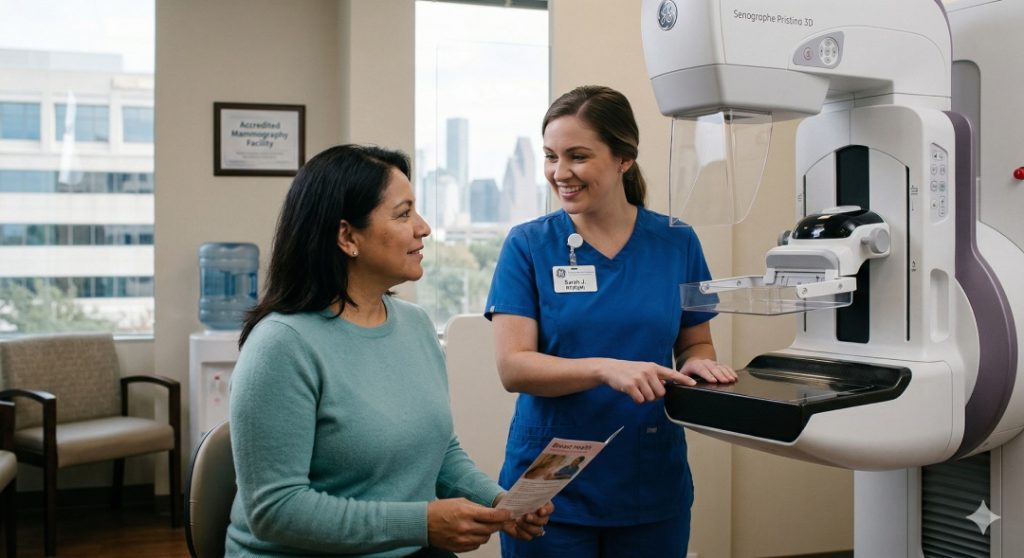
Early detection is one of the most effective ways to reduce the impact of breast cancer. Mammograms, specialized X-ray exams of the breast, are an important tool in identifying breast cancer before symptoms appear. But how often should women get a mammogram? This guide explains the recommended schedules, the factors that influence screening frequency, and…Do MRI Services Require Fasting Before The Scan
Magnetic Resonance Imaging (MRI) has become an essential tool in modern medical diagnostics. It provides detailed images of internal structures, helping healthcare providers detect and monitor a wide range of conditions. However, patients often have questions about preparing for an MRI, especially regarding fasting. This guide will explain whether fasting is required, why it may…How Accurate Are MRI Services In Medical Diagnosis
Medical imaging has changed how doctors detect and monitor many health conditions. One of the most widely used imaging tools is the Magnetic Resonance Imaging (MRI). MRI services help doctors look inside the body without surgery, using detailed images of organs, tissues, and structures. When talking about diagnostic imaging, many patients ask an important question:…


Contact Us: We’re Here to Help!
We’d love to hear from you! Whether you have questions about our services, need more information on our diagnostic and pain management options, or would like to schedule an appointment, our friendly and professional team is here to assist you every step of the way. We are dedicated to providing you with the best care and support, and we are happy to address any concerns or inquiries you may have.