Can I Refer Myself For An Ultrasound?
September 21, 2025
Ultrasounds are one of those medical tools that make people both curious and slightly anxious. You might be asking yourself, “Can I just refer myself for an ultrasound?” Especially if you live in Shenandoah and are considering visiting NextGen Diagnostic Imaging, it’s important to understand how ultrasounds work, the referral process, and your options as a patient. This guide will walk you through everything you need to know—from what an ultrasound is, to whether self-referral is possible, to how to prepare for your scan.
Understanding Ultrasounds: A Quick Overview
Before diving into referrals, let’s talk about what an ultrasound is. Understanding the basics will help you feel more comfortable when making decisions about your health.
What Is an Ultrasound and How Does It Work?
An ultrasound is a non-invasive imaging procedure that uses sound waves to create pictures of the inside of your body. Unlike X-rays or CT scans, it doesn’t involve radiation. Think of it like a sonar system—similar to what bats or submarines use to navigate. High-frequency sound waves bounce off organs, tissues, and fluids, then return to the device, creating images that doctors can interpret.
Ultrasounds are incredibly versatile—they can check your heart, monitor a baby in the womb, look at abdominal organs, and even evaluate blood flow. They’re generally safe, painless, and quick, which makes them a first-line imaging option for many medical concerns.
Common Types of Ultrasound Scans
There are several types of ultrasound scans, each serving a specific purpose:
- Abdominal Ultrasound: Checks organs such as the liver, kidneys, pancreas, and gallbladder.
- Pelvic Ultrasound: Evaluates reproductive organs or bladder issues.
- Obstetric Ultrasound: Used to monitor pregnancy and fetal development.
- Vascular Ultrasound: Assesses blood flow in arteries and veins, useful for detecting clots.
- Musculoskeletal Ultrasound: Looks at muscles, tendons, ligaments, and joints.
- Thyroid or Neck Ultrasound: Helps identify nodules, cysts, or other abnormalities.
Understanding which type of ultrasound you need is critical before scheduling. Some scans require special preparation, like fasting or a full bladder, while others don’t.
The Referral Process: Who Can Request an Ultrasound?
Traditional Referral Through a Physician
In most cases, ultrasounds are ordered by a healthcare provider. Your primary care doctor, OB-GYN, or specialist evaluates your symptoms and medical history before recommending a scan. This ensures the procedure is medically necessary, which is often required for insurance coverage.
For example, if you have persistent abdominal pain, your doctor may order an abdominal ultrasound to rule out gallstones, liver problems, or kidney issues. The physician’s referral ensures that the scan is targeted and interpreted in the context of your health.
Self-Referral: Is It Possible?
Many people wonder if they can skip the doctor and just book an ultrasound themselves. The answer is… it depends. Certain facilities, including NextGen Diagnostic Imaging in Shenandoah, allow self-referral for some types of scans, especially routine or screening ultrasounds.
Self-referral is often more flexible—you can schedule at a time that works for you without waiting for a physician’s appointment. However, there are some limitations. Not all types of ultrasounds can be self-referred, and insurance coverage may vary.
Situations Where Self-Referral May Be Allowed
You may be able to self-refer in the following scenarios:
- Routine check-ups: Some health screenings don’t require a doctor’s evaluation first.
- Follow-up scans: If you have a chronic condition and your physician has previously ordered tests, some facilities allow you to schedule repeat scans independently.
- Preventive or wellness imaging: Some diagnostic centers offer imaging services directly to patients as part of wellness packages.
Limitations and Restrictions of Self-Referral
While self-referral can be convenient, there are important limitations to keep in mind:
- Insurance Coverage: Some insurance plans only cover scans that are ordered by a doctor. Self-referred scans may require out-of-pocket payment.
- Medical Guidance: Without a physician’s input, you might not choose the most appropriate scan for your condition. For example, an abdominal ultrasound may not detect certain liver conditions that a more targeted scan would.
- Specialized Scans: Some advanced imaging procedures still require a physician’s referral.
In short, self-referral can work in many cases, but it’s not always the right approach for complex medical situations.

NextGen Diagnostic Imaging in Shenandoah
If you’re living in Shenandoah, NextGen Diagnostic Imaging offers a convenient and professional environment for both physician-referred and self-referred ultrasounds.
Convenient Location and Services
NextGen Diagnostic Imaging is centrally located in Shenandoah, making it easy to access from nearby neighborhoods. They provide a streamlined appointment process, knowledgeable staff, and a comfortable environment. Whether you are self-referring or coming with a doctor’s order, the team at NextGen ensures a smooth experience.
Types of Ultrasounds Offered
NextGen offers a comprehensive range of ultrasound services, including:
- Abdominal and pelvic ultrasounds
- Obstetric and prenatal ultrasounds
- Vascular studies for arteries and veins
- Musculoskeletal imaging for joints, muscles, and tendons
- Specialized scans like thyroid and breast ultrasounds
The facility uses advanced imaging technology, ensuring accurate results while keeping patients comfortable.
Benefits of Getting an Ultrasound
Early Detection and Diagnosis
Ultrasounds can detect potential health issues before symptoms appear. This early detection can make a big difference, especially for conditions like gallstones, cysts, or vascular issues. Catching problems early often leads to better outcomes and less invasive treatments.
Monitoring Ongoing Health Conditions
If you already have a chronic condition—such as kidney disease, liver issues, or pregnancy—ultrasounds are essential for monitoring progress. For instance, expectant parents rely on routine obstetric ultrasounds to track fetal development and detect potential complications early.
Non-Invasive and Safe
Ultrasounds are generally safe for everyone, including pregnant women and children. Unlike X-rays, there’s no radiation involved. The procedure is non-invasive and usually painless, making it an appealing first-line diagnostic tool.
Preparing for Your Ultrasound
What to Expect During the Scan
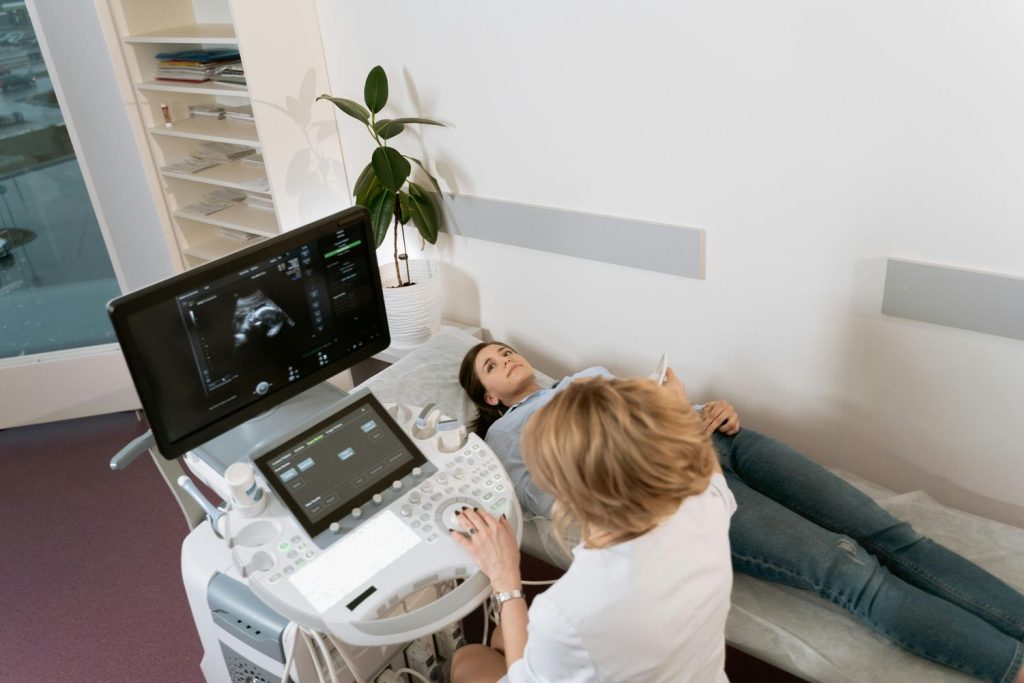
When you arrive at NextGen Diagnostic Imaging, a trained sonographer will guide you through the process. Most scans involve lying down while a technician applies a special gel to the area being examined. A handheld transducer is moved over the gel to capture images.
Depending on the type of scan, you might need to drink water, fast, or wear specific clothing. The entire procedure usually takes 15–45 minutes.
Tips to Get the Best Results
- Follow instructions: Preparation instructions vary depending on the scan, and following them ensures the most accurate images.
- Wear comfortable clothing: Loose clothing makes the process easier and more comfortable.
- Bring prior records: If you have previous imaging or relevant medical records, bring them along to help the sonographer and doctor compare results.
- Stay relaxed: Tension can make certain scans harder, especially abdominal or pelvic ultrasounds. Taking deep breaths helps!
Costs and Insurance Considerations
Insurance Coverage for Ultrasounds
Many insurance plans cover ultrasounds if they are deemed medically necessary. Self-referred scans, however, may not always be covered. It’s important to call your insurance provider and confirm coverage before scheduling.
Paying Out-of-Pocket at NextGen Diagnostic Imaging
If your insurance does not cover a self-referred scan, NextGen provides transparent out-of-pocket pricing. This ensures that you can still access diagnostic imaging without worrying about hidden fees.
NextGen Diagnostic Imaging Serving the Shenandoah Community and Beyond in Houston
NextGen Diagnostic Imaging is dedicated to serving the diverse needs of the local community of Houston, including individuals residing in neighborhoods like Shenandoah. With its convenient location near landmarks such as the Burnett Bayland Park and major intersections like Dashwood Dr. and Rampart St. (coordinates: 29.707710481237605, -95.48345578969126), we offer ultrasound centers houston services.
Get Ultrasound Centers Scan Services At Shenandoah Now
Navigate from Shenandoah to NextGen Diagnostic Imaging Now
When Self-Referral Is the Right Choice
Self-referral may be ideal if you want quick access, routine screening, or follow-up imaging. It’s also useful if you have a busy schedule and want to avoid waiting for a doctor’s appointment. However, always weigh convenience against medical guidance—sometimes a doctor’s input ensures that the scan is appropriate for your symptoms and overall health.
Frequently Asked Questions About Ultrasound Referrals
1. Can I schedule an ultrasound without a doctor?
Sometimes, yes! Facilities like NextGen Diagnostic Imaging in Shenandoah allow self-referral for certain types of scans. Always call ahead to confirm eligibility.
2. How long does it take to get results?
Most results are available within 24–48 hours. Complex cases may take longer, but the staff will keep you informed.
3. Are ultrasounds safe for everyone?
Generally, yes. Ultrasounds do not use radiation and are safe for pregnant women, children, and adults alike.
4. Will my insurance cover a self-referred scan?
Coverage depends on your insurance plan. Many require a physician’s referral, so check first.Do I need to prepare differently for each type of ultrasound?
Yes. Abdominal scans may require fasting, while pelvic scans often need a full bladder. Follow your facility’s instructions closely.

NextGen Scans
Be part of a team driven by compassion and a commitment to putting patients first. At NextGen Scans, the care you provide has a meaningful impact every single day.
or Call us at
(346) 487-7037
How Often Women Should Get A Mammogram For Early Detection
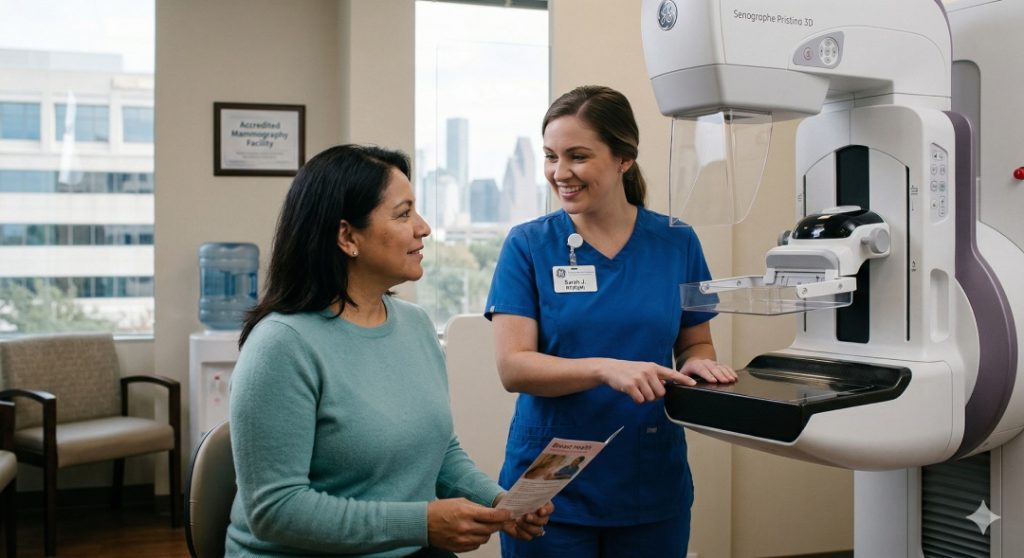
Early detection is one of the most effective ways to reduce the impact of breast cancer. Mammograms, specialized X-ray exams of the breast, are an important tool in identifying breast cancer before symptoms appear. But how often should women get a mammogram? This guide explains the recommended schedules, the factors that influence screening frequency, and…Do MRI Services Require Fasting Before The Scan
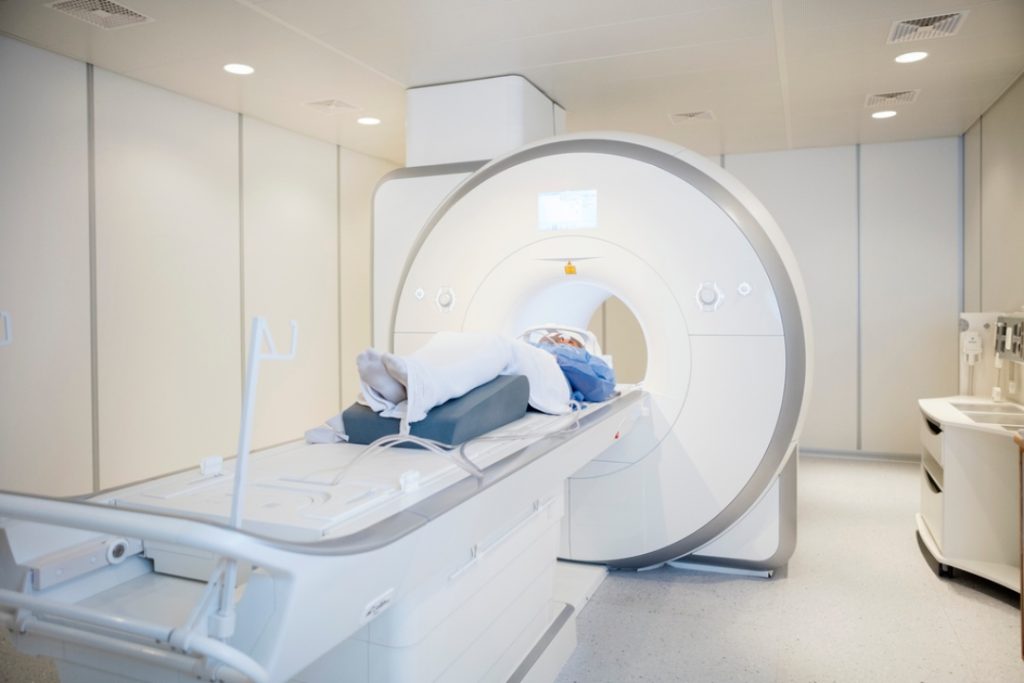
Magnetic Resonance Imaging (MRI) has become an essential tool in modern medical diagnostics. It provides detailed images of internal structures, helping healthcare providers detect and monitor a wide range of conditions. However, patients often have questions about preparing for an MRI, especially regarding fasting. This guide will explain whether fasting is required, why it may…How Accurate Are MRI Services In Medical Diagnosis
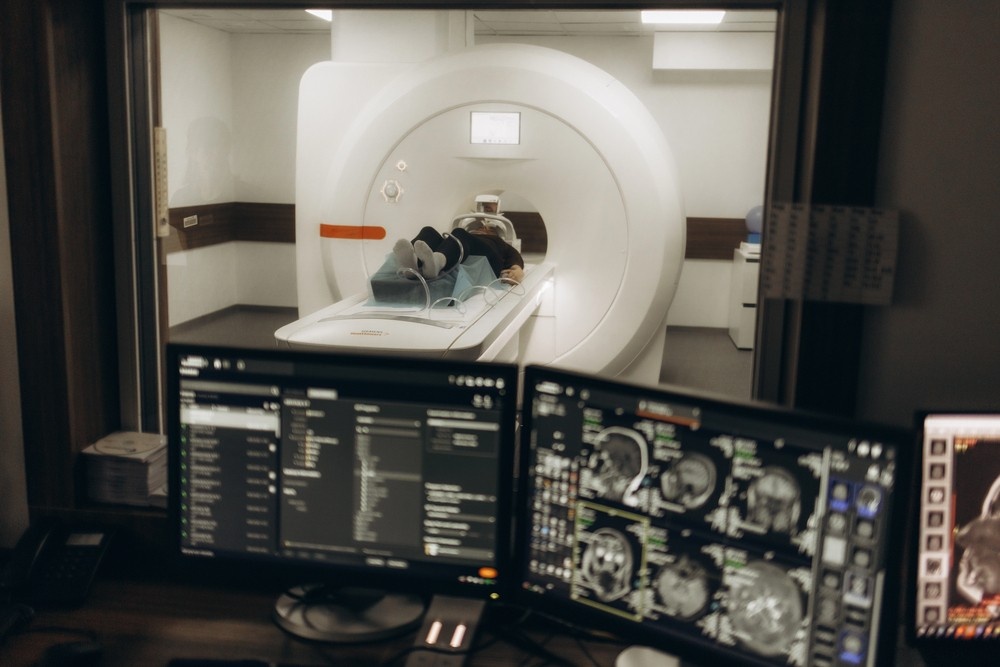
Medical imaging has changed how doctors detect and monitor many health conditions. One of the most widely used imaging tools is the Magnetic Resonance Imaging (MRI). MRI services help doctors look inside the body without surgery, using detailed images of organs, tissues, and structures. When talking about diagnostic imaging, many patients ask an important question:…

Contact Us: We’re Here to Help!
We’d love to hear from you! Whether you have questions about our services, need more information on our diagnostic and pain management options, or would like to schedule an appointment, our friendly and professional team is here to assist you every step of the way. We are dedicated to providing you with the best care and support, and we are happy to address any concerns or inquiries you may have.