Are 3D Mammograms Covered By Insurance?
April 24, 2025
When it comes to breast health, early detection is crucial. Mammograms, a form of X-ray imaging used to detect breast cancer, are a common screening tool. Traditional 2D mammograms have been in use for many years, but 3D mammograms, or breast tomosynthesis, have become an increasingly popular option for breast cancer screening due to their ability to provide clearer, more detailed images.
A key question for many women is whether their health insurance covers 3D mammograms. In this blog post, we will thoroughly explore the details surrounding insurance coverage for 3D mammograms, factors influencing coverage, and how to navigate potential costs. Understanding the financial aspects of 3D mammograms is essential for making informed healthcare decisions.
What Is a 3D Mammogram?
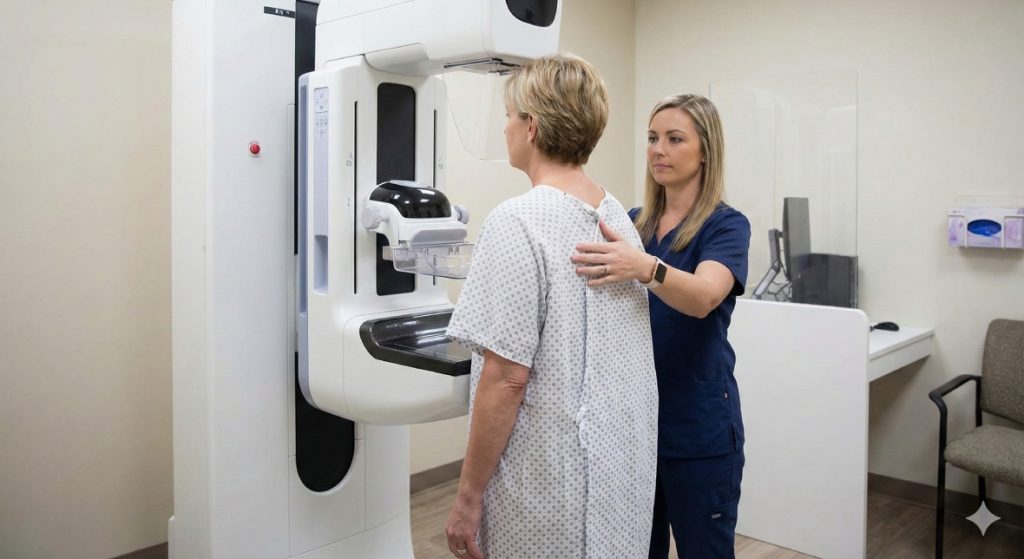
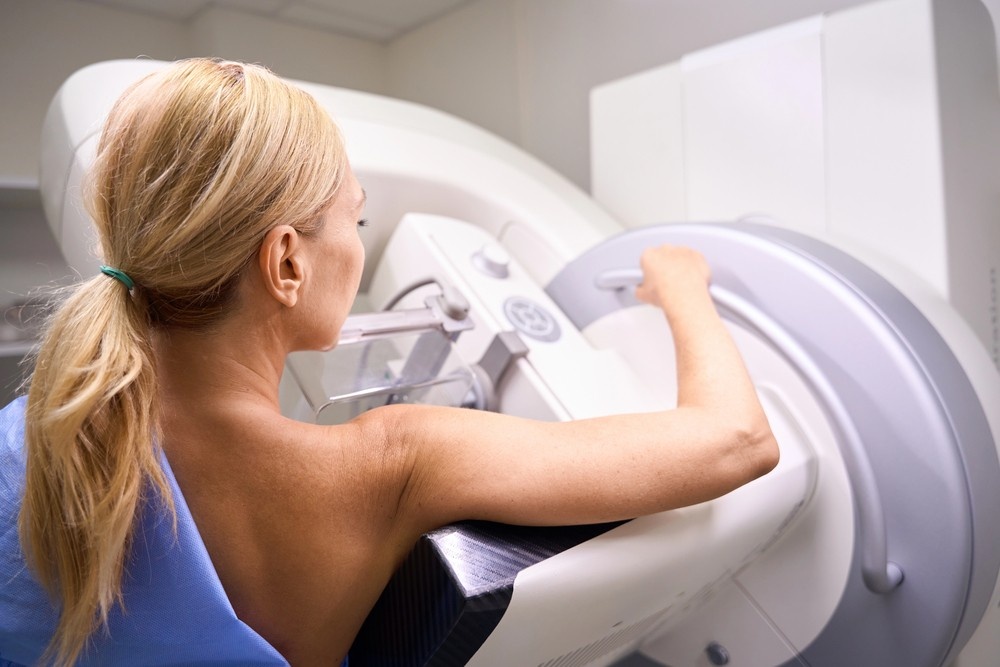
Before diving into insurance specifics, it’s important to understand what 3D mammograms are and how they differ from traditional 2D mammograms.A 3D mammogram is a cutting-edge technology that takes multiple X-ray images of the breast from different angles. These images are then compiled to create a 3D image of the breast tissue. This technology allows for a more detailed view, helping radiologists detect abnormalities that may not be visible in a 2D mammogram.
The advantages of 3D mammograms over traditional 2D include:
- Better Detection: 3D mammograms can detect smaller tumors, especially in women with dense breast tissue.
- Fewer False Positives: Since 3D images are more detailed, there is a lower chance of false positives, which reduces the need for follow-up tests and anxiety.
- Clearer Images: Radiologists can examine the breast tissue layer by layer, which improves the accuracy of the diagnosis.
This increased accuracy makes 3D mammograms an essential tool for women at various risk levels, especially those with dense breast tissue or a family history of breast cancer.
Are 3D Mammograms Covered by Insurance?
The short answer to this question is: It depends. While many insurance providers cover 3D mammograms, the extent of that coverage depends on various factors such as:
- Medical Necessity: Insurers are more likely to cover 3D mammograms if they are deemed medically necessary. This is often the case for women with dense breast tissue, a higher-than-average risk for breast cancer, or a family history of the disease.
- State Legislation: Some states have specific laws that require insurance companies to cover 3D mammograms. These laws aim to ensure that women have access to advanced breast cancer screening technologies.
- Insurance Policy: Even within states with mandated coverage, not all insurance policies are the same. Some policies may offer full coverage, while others may require higher out-of-pocket costs for 3D mammograms.
Understanding how your insurance policy works is crucial to knowing whether your 3D mammogram will be covered. If you are unsure, it’s a good idea to contact your insurance provider directly.
Factors That Influence Insurance Coverage for 3D Mammograms
Several factors influence whether or not 3D mammograms are covered by insurance. Understanding these factors can help you better navigate the healthcare system and avoid unexpected costs.
1. Medical Necessity
Insurance companies often cover 3D mammograms when they are considered medically necessary. This might include:
- Dense Breast Tissue: Women with dense breast tissue are more likely to benefit from 3D mammograms. Dense tissue can make it more difficult to detect tumors using traditional mammograms, so 3D imaging can be more effective.
- Family History of Breast Cancer: If you have a family history of breast cancer or genetic predispositions (e.g., BRCA1 or BRCA2 mutations), insurers may approve 3D mammograms as part of preventive care.
- Previous Abnormal Mammograms: If you’ve had a previous mammogram that showed abnormalities, a 3D mammogram might be covered to help clarify or confirm the findings.
2. State Mandates
In some states, laws require insurance companies to cover 3D mammograms as part of breast cancer screening. These mandates often apply to all women, regardless of age or risk factors. The extent of coverage and the types of plans affected by these mandates can vary by state.
For example, some states have passed laws that require insurance companies to cover the cost of 3D mammograms for women aged 40 and over. Other states have laws that mandate coverage for women with dense breast tissue. It’s essential to check your state’s specific regulations to determine if you qualify for mandatory coverage.
3. Insurance Plan Type
Not all insurance plans are equal when it comes to coverage for 3D mammograms. The type of plan you have—whether it’s an HMO, PPO, or a high-deductible plan—can influence your coverage options. For instance:
- HMOs: These plans may only cover 3D mammograms when provided by an in-network doctor or hospital.
- PPOs: PPO plans may offer more flexibility, but you might still have to meet certain criteria for coverage.
4. Age and Risk Factors
Many insurance companies offer 3D mammograms as part of regular screenings for women over the age of 40. However, some may limit the coverage to higher-risk women. Factors such as personal medical history, family history, and the presence of genetic mutations may determine whether the screening is covered.
What Happens If 3D Mammograms Aren’t Covered by Insurance?
If your insurance does not cover 3D mammograms, there are still options available. Here are a few alternatives to consider:
1. Out-of-Pocket Payment
If your insurance doesn’t cover 3D mammograms, you can choose to pay for the procedure out of pocket. While this can be costly, some facilities offer payment plans or discounts to make the procedure more affordable.
2. Appealing the Decision
If you believe that a 3D mammogram is medically necessary, you can appeal your insurance company’s decision. Many insurance companies have a formal appeals process, and providing additional documentation from your healthcare provider can help increase the chances of approval.
3. Look for a Provider Offering Reduced Rates
Some diagnostic centers, including those like Nextgen Diagnostics, may offer discounted rates or sliding scale fees for uninsured or underinsured patients. It’s worth exploring your options and speaking with providers about financial assistance programs.
How to Navigate the Insurance Process for 3D Mammograms
When seeking coverage for 3D mammograms, here are some steps you can take to help ensure a smooth process:
1. Verify Coverage Before Your Appointment
Contact your insurance provider in advance to confirm whether 3D mammograms are covered under your plan. This will allow you to prepare financially and avoid unexpected bills later.
2. Get a Referral from Your Doctor
Some insurance plans may require a referral from your primary care doctor or a specialist before approving a 3D mammogram. Ensure that you have the proper documentation to avoid delays or complications.
3. Stay Informed About State and Federal Laws
As mentioned earlier, certain states have laws mandating 3D mammogram coverage. Be aware of these laws and make sure you’re receiving the appropriate care based on your state’s regulations.
4. Document All Communications
Keep records of all your communications with your insurance provider, healthcare provider, and diagnostic center. Having a paper trail can help resolve any issues that may arise later.
Nextgen Diagnostics Serving the Shenandoah Community and Beyond in Houston
Nextgen Diagnostics is dedicated to serving the diverse needs of the local community of Houston, including individuals residing in neighborhoods like Shenandoah. With its convenient location near landmarks such as the Sharpstown Green Park and major intersections like Tarna Ln & Hillcroft St (coordinates: 29.70312518032041, -95.49382492150923), we offer 3D Ultrasound Houston services.
Get 3D Ultrasound Houston Services at Shenandoah Now
Navigate from Shenandoah to Nextgen Diagnostics Now
Conclusion
In summary, insurance coverage for 3D mammograms varies depending on factors such as medical necessity, state mandates, and the specifics of your insurance policy. While many insurance providers cover 3D mammograms, it’s essential to verify coverage ahead of time to avoid any surprises.
For women with dense breast tissue, a family history of breast cancer, or other risk factors, 3D mammograms provide a more accurate and detailed screening option. If you are in the Tulsa area, Nextgen Diagnostics is dedicated to providing high-quality 3D mammograms, and our team is here to assist you with understanding your insurance options and ensuring that you receive the care you need.
Always check with your insurance provider to confirm coverage and consider speaking with your healthcare provider for further clarification on the medical necessity of 3D mammograms. Early detection can save lives, and ensuring that you have access to the best possible screening options is crucial in maintaining breast health.
Frequently Asked Questions (FAQs):
- What is the difference between 2D and 3D mammograms? 3D mammograms, or breast tomosynthesis, provide a more detailed, layered image of the breast compared to traditional 2D mammograms. This allows for better detection of tumors, especially in women with dense breast tissue.
- Are 3D mammograms always covered by insurance? Insurance coverage for 3D mammograms varies by provider and policy. Many insurance companies cover the procedure if deemed medically necessary, but this can depend on factors such as age, family history, and state laws.
- Do state laws affect insurance coverage for 3D mammograms? Yes, some states have laws that mandate insurance providers to cover 3D mammograms, especially for women over the age of 40 or those with dense breast tissue. Coverage requirements differ by state.
- What should I do if my insurance doesn’t cover 3D mammograms? If your insurance doesn’t cover 3D mammograms, you can appeal the decision, pay out-of-pocket, or seek out healthcare providers that offer financial assistance or discounted rates.
- How can I verify if my insurance covers 3D mammograms? Contact your insurance provider directly to confirm whether 3D mammograms are covered under your plan. It’s best to do this before scheduling the procedure to avoid unexpected costs.

NextGen Scan
How X-Ray Services Help Doctors Make Fast Diagnoses
In healthcare, timing can be the difference between a minor concern and a major medical emergency. When symptoms appear—whether it’s sudden pain, shortness of breath, or an unexplained injury—doctors need answers quickly. This is where X-ray services step in as one of the most powerful diagnostic tools in modern medicine. For patients seeking X-ray services…What Are Mammogram Services And What Do They Include?
When it comes to protecting your long-term health, few screenings are as powerful—or as misunderstood—as a mammogram. Mammogram services are not just routine medical appointments; they are proactive tools that help detect breast changes long before symptoms appear. For women in Houston and Shenandoah, access to high-quality mammogram services can mean the difference between early…What Makes an Ultrasound Affordable Without Sacrificing Accuracy?
When patients hear that an ultrasound is “affordable,” the word often triggers doubt. In a healthcare system where prices vary wildly, many people assume lower cost must mean lower quality. After all, we’ve been trained to believe that better care always costs more. But diagnostic imaging doesn’t work that way. Ultrasound accuracy isn’t determined by…

Contact Us: We’re Here to Help!
We’d love to hear from you! Whether you have questions about our services, need more information on our diagnostic and pain management options, or would like to schedule an appointment, our friendly and professional team is here to assist you every step of the way. We are dedicated to providing you with the best care and support, and we are happy to address any concerns or inquiries you may have.