Are CT Scans Harmful?
June 26, 2025
CT Scans and Health Concerns
CT scans are one of the most powerful diagnostic tools in modern medicine. They help doctors get a clear, detailed view inside your body—something regular X-rays just can’t match. But despite their benefits, you might have wondered: Are CT scans harmful?
You’re not alone. Many people worry about the radiation used in these scans, especially if they’ve had more than one. Today, we’re breaking down the science, separating fact from fiction, and giving you straight answers, with insight from NextGen Diagnostic Imaging, one of the trusted names in safe, patient-centered imaging.
What Exactly Is a CT Scan?
The Technology Behind It
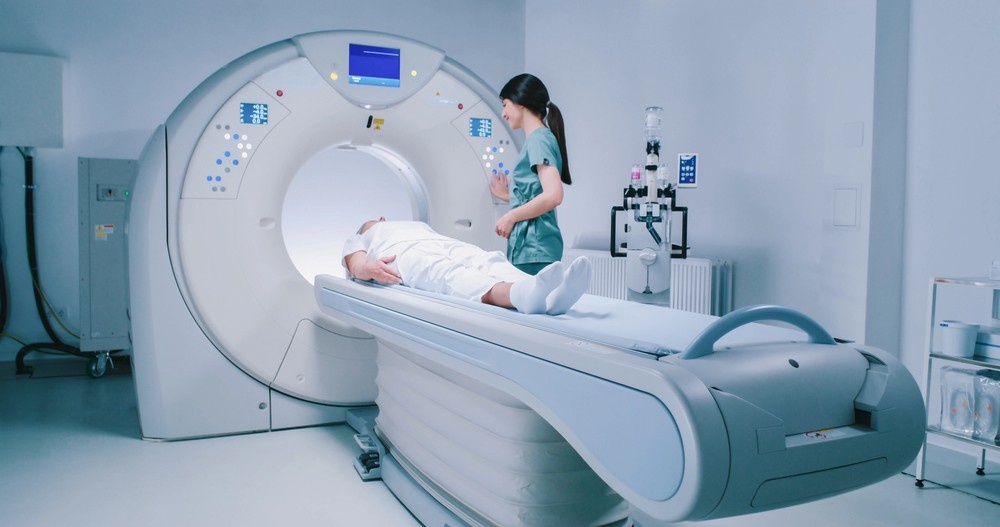
CT stands for “computed tomography.” It’s a fancy way of saying it takes X-ray images from multiple angles and combines them into detailed, cross-sectional views of your body. It’s like slicing a loaf of bread—you see each slice instead of just the outside. Pretty neat, right?
How CT Scans Differ from X-rays and MRIs
While X-rays give you a basic snapshot, CT scans offer a layered, 3D view. MRIs, on the other hand, use magnets and radio waves—no radiation—but they’re slower and not ideal for emergencies.
CT scans are fast, accurate, and especially useful when time matters—like after a car accident or during stroke evaluation.
Why Are CT Scans So Common?
Speed and Accuracy
A CT scan can be done in minutes. That’s a game-changer in emergency rooms and trauma centers. You get immediate, precise info that helps doctors act fast.
Life-Saving Diagnostics
From spotting tumors to locating internal bleeding or guiding biopsies, CT scans save lives. That’s why doctors often choose them when accuracy is crucial.
The Concern: Radiation Exposure
Here’s where the worry comes in—radiation.
CT scans use ionizing radiation, which is the type that can damage cells and DNA in high doses. Sounds scary, right? But let’s break it down.
How Much Radiation Do You Get?
CT vs. Everyday Radiation Exposure
Believe it or not, we all get radiation every day—from the sun, soil, and even bananas (yes, they contain potassium-40). A chest CT might give you the same radiation as about 2-3 years of natural exposure. That sounds like a lot, but…
CT vs. Traditional X-rays
A chest X-ray gives you about 0.1 millisieverts (mSv) of radiation. A chest CT? Around 7 mSv. So yes, it’s higher. But it’s still in a dose range considered safe for diagnostic use.
Are CT Scans Dangerous Long-Term?
While CT scans are generally safe when medically necessary, it’s smart to look at potential long-term effects—especially if you’ve had multiple scans or belong to a higher-risk group.
Cancer Risk and Radiation
Long-term risk from a single CT scan is incredibly low. We’re talking about less than a 1 in 2,000 chance of developing a radiation-related cancer after a standard scan. That might sound scary, but put it in perspective—you’re more likely to be injured in your kitchen or get hit by lightning than get cancer from one CT scan.
That said, the risk can slightly increase with repeated exposure, especially over many years. For instance, someone who’s had dozens of scans over their lifetime for chronic conditions might be advised to explore lower-radiation alternatives when available.
It’s also worth noting that different body parts receive different radiation levels. A head CT, for example, has a much lower dose than an abdominal scan. Your doctor weighs these factors carefully before recommending a scan.
Scientific Consensus and Safety Thresholds
The scientific and medical communities—including the American College of Radiology (ACR), Food and Drug Administration (FDA), and World Health Organization (WHO)—all maintain that CT scans are safe when used judiciously.
Here’s the key point: CT scans are diagnostic tools, not routine check-ups. When they’re recommended, it’s because the risk of not scanning is greater—like missing internal bleeding, organ damage, or undiagnosed tumors.
Medical facilities, including NextGen Diagnostic Imaging, follow established guidelines for radiation thresholds. These include protocols like:
- ALARA principle (As Low As Reasonably Achievable)
- Dose optimization software
- Regular equipment calibration and technician training
These safety standards exist to protect you. So unless you’re getting unnecessary scans every few weeks (which isn’t the norm), the long-term danger is more theoretical than practical.
CT Scans for Children and Pregnant Women
Some patients need special attention. CT scans are more closely scrutinized when the patient is a child or someone who’s expecting.
Special Considerations for Vulnerable Groups
Children
Children are more radiosensitive than adults. Why? Because their bodies are still growing, and cells are dividing rapidly—making DNA more vulnerable to ionizing radiation. This doesn’t mean CT scans are unsafe for kids, but it does mean that providers need to be extra cautious.
At NextGen Diagnostic Imaging, pediatric scans are performed using:
- Child-sized protocols (adjusted radiation levels)
- Shielding for vital organs
- Alternative imaging options like ultrasound or MRI when appropriate
The decision to scan a child always goes through careful review—no shortcuts.
Pregnant Women
Pregnancy adds another layer of caution. Radiation in the first trimester is of greatest concern because that’s when major organs are forming. However, the actual dose to the fetus during most CT scans (like a head or chest scan) is very low and unlikely to cause harm.
Still, doctors and imaging centers try to avoid CT scans during pregnancy unless absolutely necessary. And if the abdomen or pelvis must be scanned, fetal shielding and ultra-low dose settings are used to minimize exposure.
NextGen Diagnostic Imaging prioritizes patient safety by:
- Consulting with OB-GYNs when imaging pregnant women
- Using protocols that reduce fetal exposure to nearly negligible levels
- Documenting justification clearly before proceeding
In both kids and expectant mothers, the emphasis is always on minimizing risk while maximizing medical benefit.
How Facilities Like NextGen Diagnostic Imaging Prioritize Safety
Modern Equipment and Low-Dose Protocols
NextGen Diagnostic Imaging isn’t just keeping up—they’re setting the standard. Their scanners are newer, smarter, and built to reduce radiation exposure without sacrificing image quality.
Skilled Technicians and Physician Oversight
Certified radiologic technologists and experienced radiologists at NextGen oversee every scan. That means no guesswork—just precision and care tailored to your case.
How to Minimize Any Potential Risk
Ask If It’s Necessary
Not every ache or pain needs a CT scan. Ask your doctor, “Is this scan absolutely necessary?” A good provider will always explain the benefits versus risks.
Share Your Scan History
Let your medical team know about any recent imaging. This avoids doubling up and helps them weigh alternatives.
Alternatives to CT Scans
MRI or Ultrasound as Options
If radiation is a concern and timing isn’t urgent, doctors might suggest an MRI or ultrasound. These are completely radiation-free, but they don’t always provide the same detail as a CT scan.
When the Benefits Outweigh the Risks
If your doctor orders a CT scan, it’s because the information gained outweighs any minimal risk. Diagnosing cancer early, checking for internal bleeding, or evaluating stroke symptoms? That’s the kind of situation where a CT scan could save your life.
And with imaging centers like NextGen Diagnostic Imaging, the risk is lower than ever thanks to cutting-edge protocols.
NextGen Diagnostic Imaging Serving the Shenandoah Community and Beyond in Houston
NextGen Diagnostic Imaging is dedicated to serving the diverse needs of the local community of Houston, including individuals residing in neighborhoods like Shenandoah. With its convenient location near landmarks such as the La Luz Del Mundo and major intersections like Chetwood Dr. & Bissonnet St. (coordinates: 29.70321336999423, -95.4782794299729), we offer ct scan services Houston.
Get CT Scan Services Houston at Shenandoah Now
Navigate from Shenandoah to NextGen Diagnostic Imaging Now
Should You Worry?
Here’s the bottom line: CT scans are not inherently harmful when used appropriately. Yes, they use radiation, but in carefully controlled amounts. In most cases, the benefits far outweigh the minimal risks involved.
Think of a CT scan as a high-tech flashlight doctors use to see what’s going on inside. When used with care—as it is at places like NextGen Diagnostic Imaging—it’s a safe and powerful tool.
So next time your doctor recommends a scan, take a deep breath. Ask questions if you need to. But know you’re in good hands—and science has your back.
FAQs
1. How many CT scans are safe in a year?
There’s no strict limit, but most people don’t need multiple CTs annually. Always ask your doctor if a scan is necessary and track your scan history.
2. Can CT scans cause cancer?
The risk is extremely small. Repeated exposure might slightly increase your lifetime cancer risk, but a single CT scan is considered very low risk.
3. Do CT scans affect fertility?
No, a standard CT scan doesn’t target reproductive organs unless you’re specifically scanning that area. Still, let your provider know if you’re trying to conceive.
4. Is a CT scan painful or uncomfortable?
Not at all. It’s non-invasive and quick. You might need to hold your breath for a few seconds, but the process is smooth and painless.
5. Are CT scans safe for kids?
Yes—when done properly. Imaging centers like NextGen use pediatric protocols to keep radiation exposure as low as possible.

NextGen Scan
How X-Ray Services Help Doctors Make Fast Diagnoses
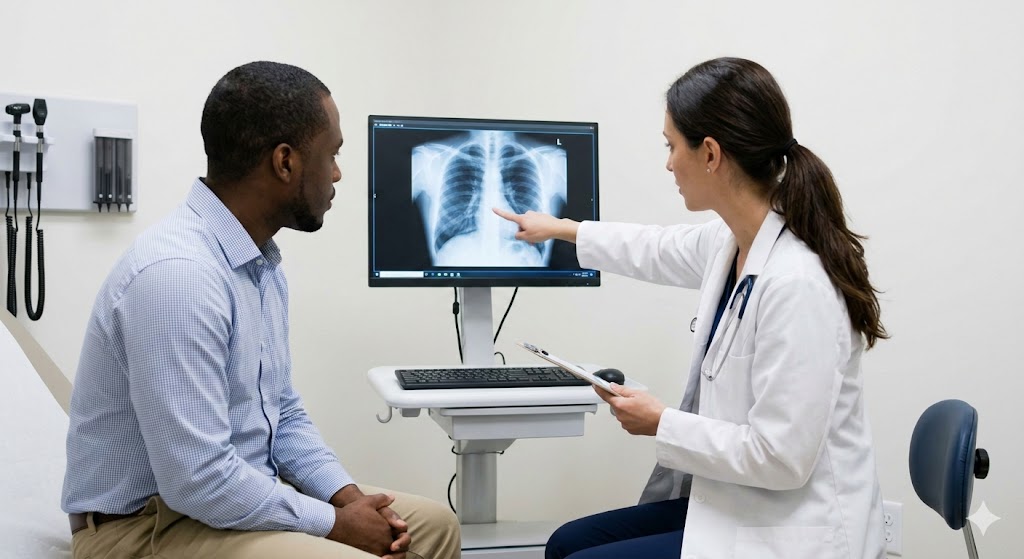
In healthcare, timing can be the difference between a minor concern and a major medical emergency. When symptoms appear—whether it’s sudden pain, shortness of breath, or an unexplained injury—doctors need answers quickly. This is where X-ray services step in as one of the most powerful diagnostic tools in modern medicine. For patients seeking X-ray services…What Are Mammogram Services And What Do They Include?
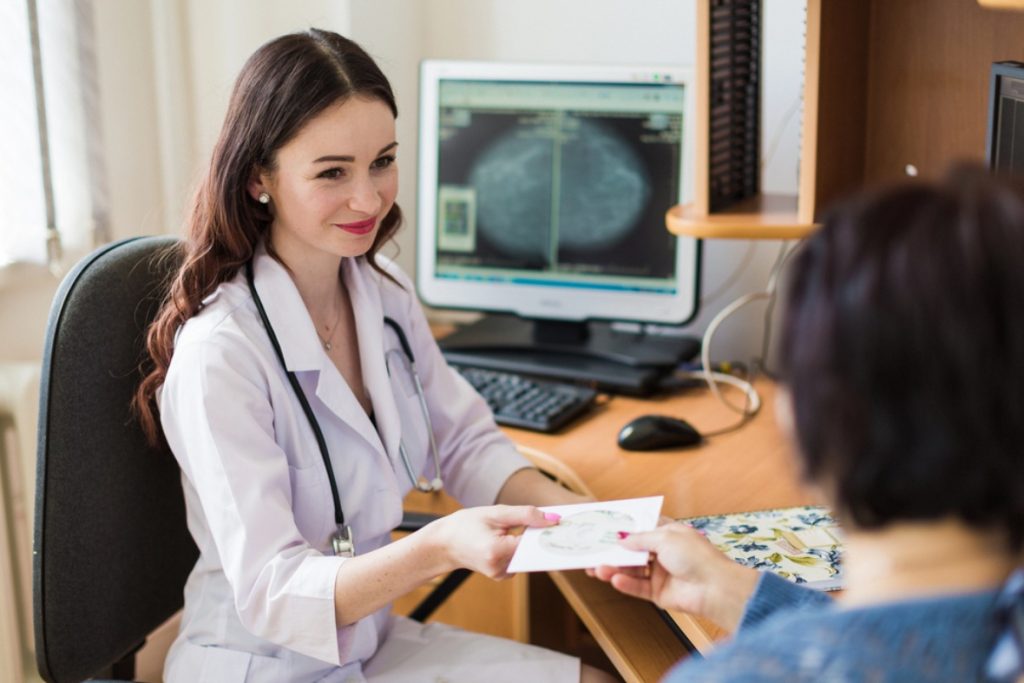
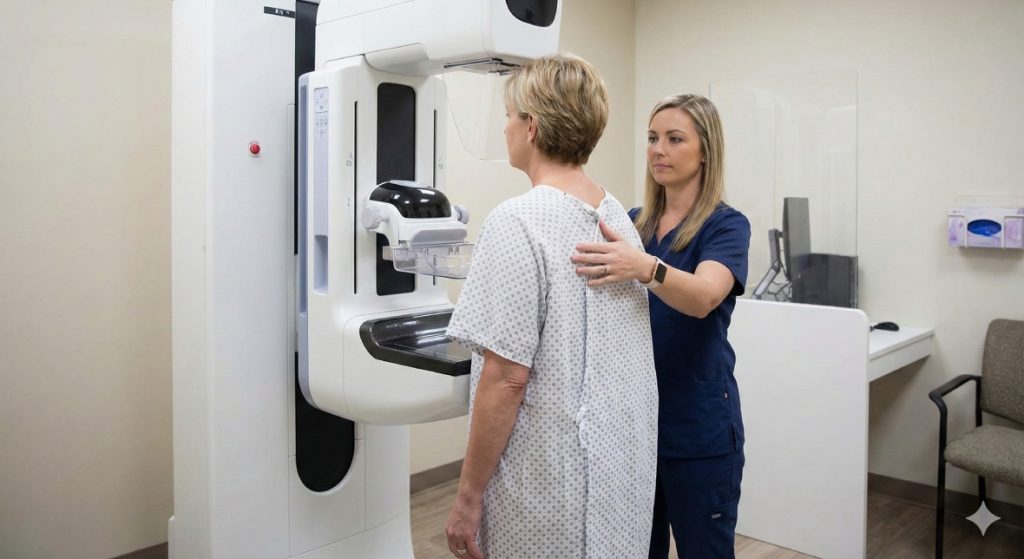
When it comes to protecting your long-term health, few screenings are as powerful—or as misunderstood—as a mammogram. Mammogram services are not just routine medical appointments; they are proactive tools that help detect breast changes long before symptoms appear. For women in Houston and Shenandoah, access to high-quality mammogram services can mean the difference between early…What Makes an Ultrasound Affordable Without Sacrificing Accuracy?
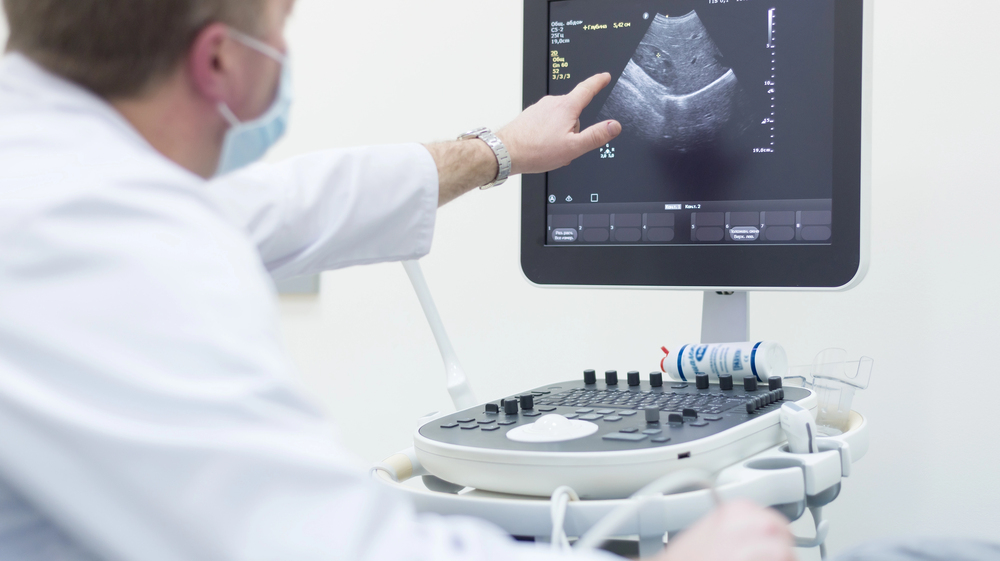
When patients hear that an ultrasound is “affordable,” the word often triggers doubt. In a healthcare system where prices vary wildly, many people assume lower cost must mean lower quality. After all, we’ve been trained to believe that better care always costs more. But diagnostic imaging doesn’t work that way. Ultrasound accuracy isn’t determined by…

Contact Us: We’re Here to Help!
We’d love to hear from you! Whether you have questions about our services, need more information on our diagnostic and pain management options, or would like to schedule an appointment, our friendly and professional team is here to assist you every step of the way. We are dedicated to providing you with the best care and support, and we are happy to address any concerns or inquiries you may have.