Do MRI Services Require Fasting Before The Scan
March 15, 2026
Magnetic Resonance Imaging (MRI) has become an essential tool in modern medical diagnostics. It provides detailed images of internal structures, helping healthcare providers detect and monitor a wide range of conditions. However, patients often have questions about preparing for an MRI, especially regarding fasting.
This guide will explain whether fasting is required, why it may sometimes be suggested, and how to best prepare for your MRI appointment at NextGen Diagnostic Imaging.
Understanding MRI Scans
An MRI uses strong magnetic fields and radio waves to produce detailed images of the body’s organs, tissues, and bones. Unlike X-rays or CT scans, MRI does not use ionizing radiation, which makes it a safer option for many patients. Common reasons a doctor may order an MRI include:
- Detecting injuries in soft tissues, such as muscles, ligaments, and tendons.
- Identifying abnormalities in the brain and spinal cord.
- Evaluating organs like the liver, kidneys, or heart.
- Assessing tumors, cysts, or other growths.
Given the detailed nature of the scan, proper preparation can improve image quality and patient comfort.
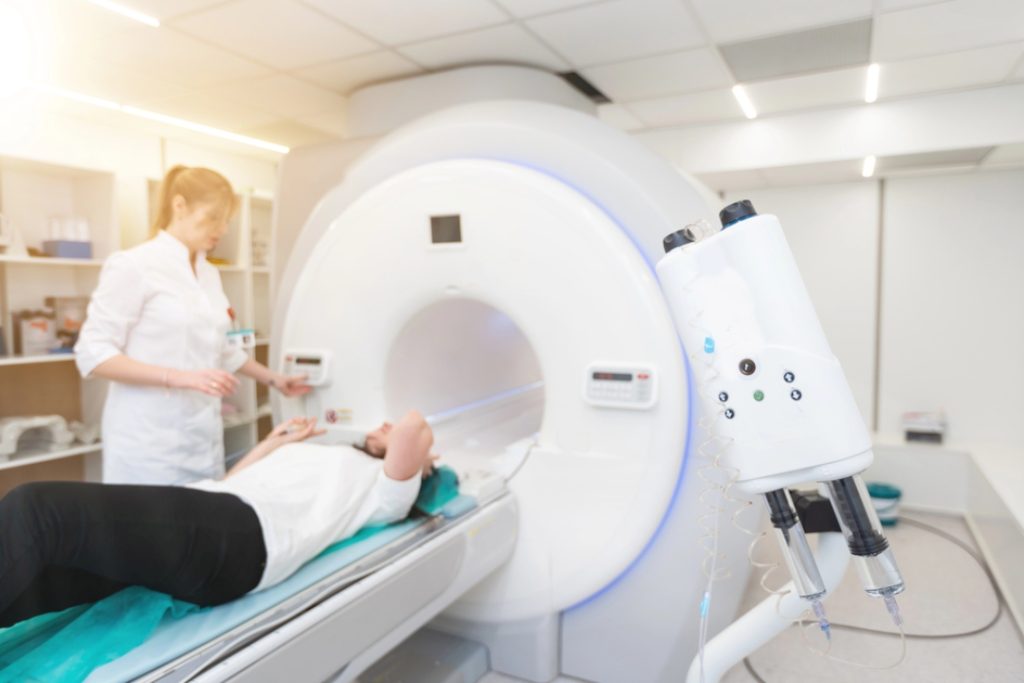
Do You Need to Fast Before an MRI?
The short answer is: usually, fasting is not required for most MRI scans. Most routine MRIs, including brain, spine, and joint imaging, can be performed without any dietary restrictions. You can eat and drink normally before these procedures.
However, there are some exceptions:
MRI with Contrast
In certain cases, a contrast agent, usually gadolinium-based, may be injected into the bloodstream to improve the clarity of the images. For MRIs with contrast:
- Some facilities, including NextGen Diagnostic Imaging, may recommend fasting for 2–4 hours prior to the scan.
- Fasting can reduce the risk of nausea and vomiting during or after the contrast injection.
- Patients with conditions like diabetes may receive tailored instructions to avoid changes in blood sugar.
Abdominal or Pelvic MRI
When imaging the abdomen or pelvis, fasting might be suggested to improve image quality:
- A full stomach or recent food intake can create motion artifacts, making it harder to see certain structures.
- Drinking water may still be allowed, but you may be asked to avoid solid foods for a few hours before the scan.
- Specific instructions will vary depending on the organ being studied and the type of contrast used.
Factors That Affect MRI Preparation
Several factors influence whether fasting or other preparations are necessary:
Type of MRI
- Routine MRI (brain, spine, joints): Usually no fasting required.
- MRI with contrast: May require 2–4 hours of fasting.
- Abdominal/pelvic MRI: Often requires partial fasting to reduce interference from food in the stomach or intestines.
Patient Health Conditions
- Diabetes or blood sugar issues: Fasting requirements may need adjustment to prevent hypoglycemia.
- Kidney problems: Contrast agents can affect kidney function, so preparation may include hydration and lab testing.
Medications
Most medications can be taken as usual, but it’s always important to inform your MRI technician or physician about all prescriptions and supplements. Some medications may need to be timed differently if fasting is required.
Other Preparation Guidelines for MRI Scans
Even if fasting isn’t needed, there are other preparation steps that can improve your MRI experience and ensure accurate results.
Clothing and Accessories
- Wear loose, comfortable clothing without metal zippers, buttons, or snaps.
- Remove jewelry, watches, and hairpins.
- Leave credit cards or electronic devices outside the scanning room, as metal can interfere with the magnetic field.
Health Disclosures
Inform your provider if you have:
- Metal implants, pacemakers, or surgical clips.
- Tattoos or permanent makeup that might contain metallic inks.
- Claustrophobia or anxiety about enclosed spaces.
These factors may affect your scan, and your technologist at NextGen Diagnostic Imaging can help adjust the procedure or provide options to improve comfort.
Hydration
Even if fasting isn’t required, staying hydrated can make the MRI more comfortable, especially if contrast is used. Water also helps the kidneys process the contrast agent efficiently.
What to Expect During Your MRI Scan
Understanding the process can reduce anxiety and improve your overall experience:
- Arrival: Check in at NextGen Diagnostic Imaging, complete any required paperwork, and discuss your health history.
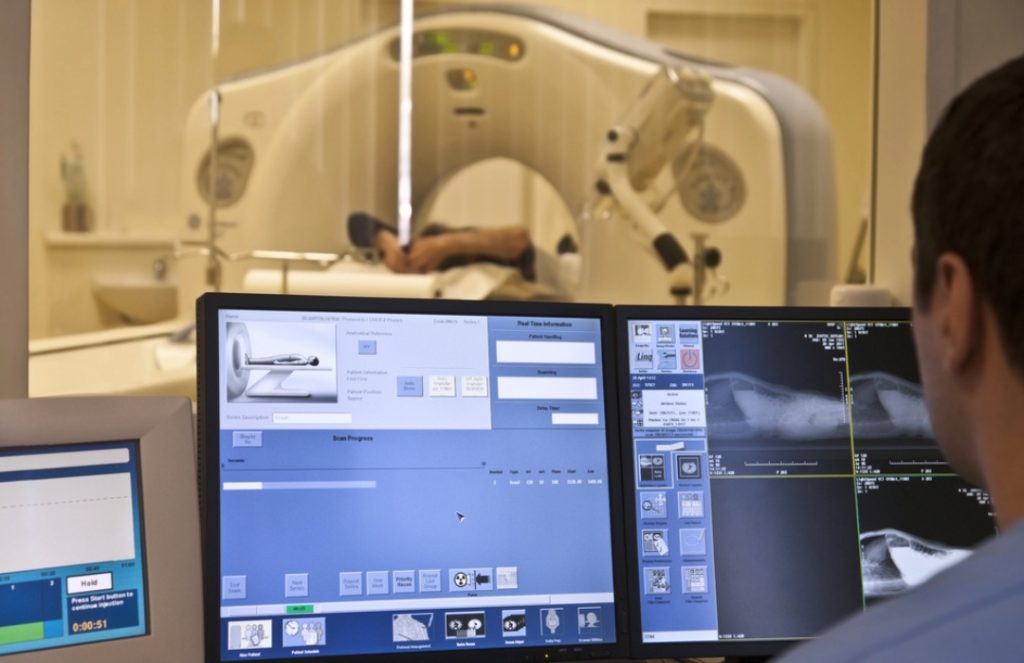
- Positioning: You will lie on a motorized table that slides into the MRI machine.
- Contrast Administration (if needed): A small IV may be placed in your arm.
- Scanning: The MRI machine will make loud knocking or tapping noises. Ear protection or music may be provided.
- Duration: Most scans take between 30–60 minutes, depending on the area being examined.
- Completion: You can resume normal activities immediately after the scan, unless instructed otherwise.
Tips to Make Your MRI Experience Smoother
Even when fasting isn’t required, these tips help ensure a successful scan:
- Follow Instructions Carefully: Every scan may have specific preparation requirements.
- Communicate Concerns: Let your technician know if you feel nervous or have medical conditions that may affect the scan.
- Stay Still: Movement can blur images, so being relaxed and still is important.
- Ask About Sedation Options: For patients with severe anxiety, mild sedatives may be an option.
Sharpstown’s Top Choice for MRI Services: Why NextGen Diagnostic Imaging Stands Out in Houston
When it comes to MRI services in Houston, you want more than just a scan, you want accuracy, comfort, and care. NextGen Diagnostic Imaging, conveniently located near Sharpstown, offers state-of-the-art MRI technology paired with a team of experienced radiology professionals dedicated to providing top-quality imaging and exceptional patient care.
Why Choose NextGen Diagnostic Imaging for MRI Services in Sharpstown?
Cutting-Edge Technology for Clear, Reliable Results
At NextGen Diagnostic Imaging, we use the latest MRI machines to capture high-resolution images of your body. Our advanced imaging technology ensures that your healthcare provider receives precise information to make accurate diagnoses. Whether you’re getting a brain, spine, joint, or abdominal MRI, we focus on delivering images that you and your doctor can trust.
Patient Comfort Comes First
We understand that MRI scans can feel intimidating for some patients. That’s why we design every visit with your comfort in mind:
- Spacious MRI suites with a calming environment.
- Noise-reducing headsets and optional music to create a relaxing experience.
- Friendly, professional staff who guide you through each step.
We make sure you feel safe, informed, and comfortable throughout your scan.
Conveniently Located in Sharpstown
Our Sharpstown location is easily accessible for residents in Houston and surrounding areas. Whether you’re coming from home or referred by a doctor, our team ensures a smooth, stress-free experience from check-in to scan completion.
Expertise You Can Rely On
With years of experience in diagnostic imaging, our radiologists and technologists at NextGen Diagnostic Imaging provide expert MRI services with attention to detail. We follow strict safety protocols, carefully review your medical history, and customize the scanning process to your needs—helping your doctor get the information they need to deliver accurate care.
Quick, Efficient, and Accurate Results
We know that timely results are essential. That’s why we prioritize efficiency without sacrificing quality. Most MRI scans are completed in under an hour, and our streamlined process ensures your results are available promptly so your healthcare team can act quickly.
Schedule Your MRI Today in Houston
Choosing the right MRI provider is essential for accurate diagnosis and peace of mind. At NextGen Diagnostic Imaging, we combine advanced MRI technology, compassionate care, and convenient Sharpstown access to provide the best imaging services in Houston.
📞 Call us today or schedule online to experience MRI services designed around you.
NextGen Diagnostic Imaging Serving the Sharpstown Community and Beyond in Houston
NextGen Diagnostic Imaging is dedicated to serving the diverse needs of the local community of Houston, including individuals residing in neighborhoods like Sharpstown. With its convenient location near landmarks such as Canchas Pulga Loca and major intersections like Braxton Dr. and Bintliff Dr. (coordinates: 29.72119980145173, -95.50934315251125), we offer MRI services Houston services.
Get MRI Services in Sharpstown Now
Navigate from Sharpstown to NextGen Diagnostic Imaging Now
Conclusion
Most MRI scans do not require fasting, but exceptions exist for contrast-enhanced studies and abdominal or pelvic imaging. Preparation depends on the type of scan, your health conditions, and whether contrast is used. Proper preparation can improve image quality, patient comfort, and diagnostic accuracy.
At NextGen Diagnostic Imaging, we provide clear instructions tailored to each patient to ensure safe, efficient, and effective MRI scans. Always follow the guidance provided by our team, and don’t hesitate to ask questions about dietary restrictions, medications, or any other concerns.
By understanding the preparation requirements, you can approach your MRI scan with confidence and ensure the most accurate results for your health.
FAQs
1. Do I always need to fast before an MRI scan?
No, most routine MRI scans, such as those for the brain, spine, or joints, do not require fasting. You can typically eat and drink normally unless your doctor or imaging center gives specific instructions.
2. When is fasting required for an MRI?
Fasting may be recommended for MRI scans with contrast or abdominal/pelvic MRIs. In these cases, avoiding food for 2–4 hours beforehand can help improve image quality and reduce the risk of nausea from contrast agents.
3. Can I drink water before my MRI?
Yes, in most cases, drinking water is allowed and even encouraged, especially if contrast is used. Staying hydrated helps your body process the contrast agent efficiently and can make the scan more comfortable.
4. How do my health conditions affect MRI preparation?
Conditions like diabetes, kidney issues, or certain allergies may change fasting or contrast instructions. Always inform your MRI provider about your medical history so they can give guidance tailored to your needs.
5. Will fasting improve my MRI results?
Fasting is only necessary for specific types of MRIs, such as abdominal scans or scans with contrast. For most other MRI exams, fasting does not impact image quality, so eating before your scan is usually fine.

NextGen Scan
How Accurate Are MRI Services In Medical Diagnosis
Medical imaging has changed how doctors detect and monitor many health conditions. One of the most widely used imaging tools is the Magnetic Resonance Imaging (MRI). MRI services help doctors look inside the body without surgery, using detailed images of organs, tissues, and structures. When talking about diagnostic imaging, many patients ask an important question:…How 3D Mammograms Work Compared to Traditional 2D
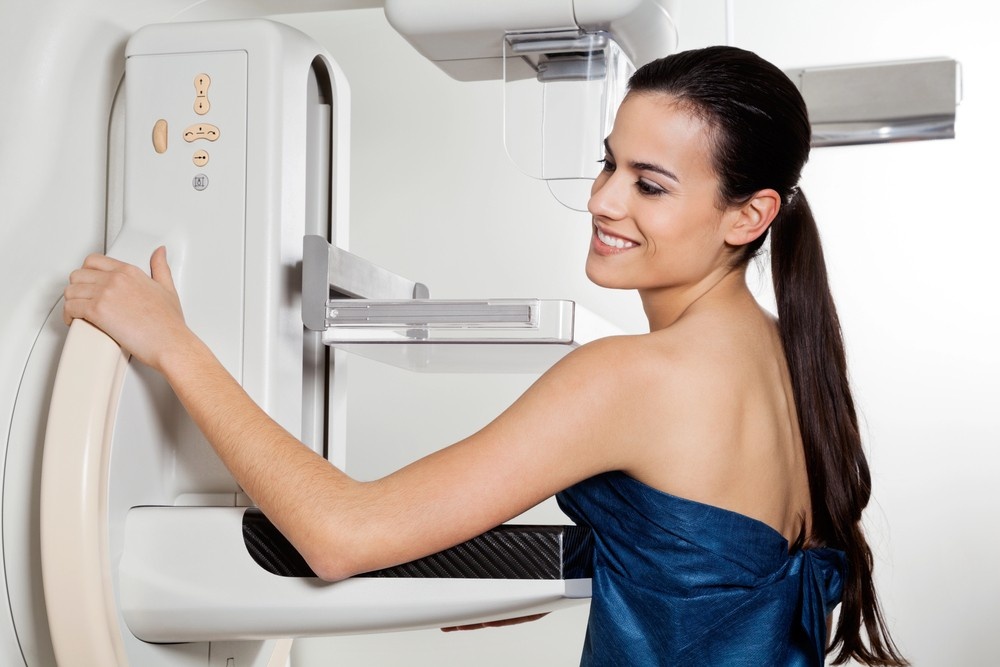
Breast imaging has come a long way in the past few decades. For decades, traditional 2D mammograms have been the standard for breast cancer screening. Recently, however, 3D mammograms, also known as digital breast tomosynthesis, have been increasingly used in diagnostic imaging. Understanding how these two imaging techniques work, their differences, and what they mean…What Age Is Ideal for 3D Mammogram Screening
Breast cancer screening has changed significantly over the past decade, especially with the increased use of 3D mammogram screening, also known as digital breast tomosynthesis. Many women now ask a common question: What age is ideal for a 3D mammogram? The answer depends on medical guidelines, personal risk factors, and conversations with a healthcare provider….

Contact Us: We’re Here to Help!
We’d love to hear from you! Whether you have questions about our services, need more information on our diagnostic and pain management options, or would like to schedule an appointment, our friendly and professional team is here to assist you every step of the way. We are dedicated to providing you with the best care and support, and we are happy to address any concerns or inquiries you may have.