Does an Ultrasound Use Radiation?
June 22, 2025
Understanding the Basics of Ultrasound
Ultrasound is one of the most widely used and trusted forms of diagnostic imaging—and for good reason. It’s quick, non-invasive, and doesn’t require needles or contrast dyes. But one of the biggest questions patients ask when they’re scheduled for an ultrasound is: “Does it use radiation?”
To answer that, let’s first break down what ultrasound actually is and how it works.
What Is an Ultrasound?
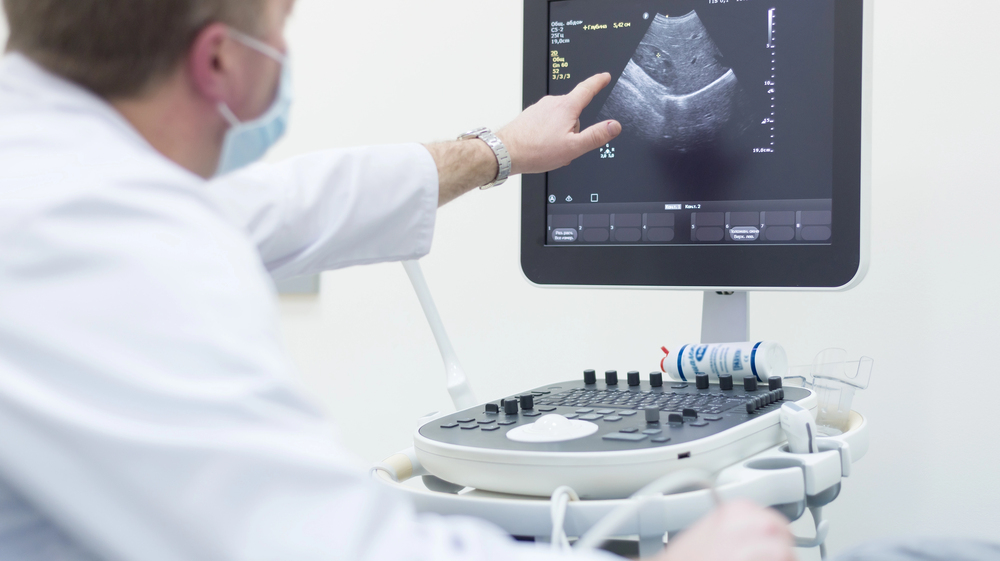
Ultrasound, also called sonography, is a medical imaging technique that uses high-frequency sound waves to create images of structures inside the body. These sound waves bounce off your organs, blood vessels, tissues, or fetus if you’re pregnant, and the echoes are captured by a computer to create a visual on the screen.
Unlike other imaging tools that depend on radiation or magnets, ultrasound relies entirely on sound—making it one of the safest technologies in diagnostic medicine. You’ve probably seen one in action during a pregnancy scan, but it’s useful in dozens of other medical situations too.
How Ultrasound Imaging Works
Here’s a simple breakdown: during an ultrasound, a technician or radiologist applies a special gel to your skin. This gel helps conduct sound waves from a handheld device called a transducer. The transducer sends sound waves into the body, and those waves bounce back when they hit different tissues.
These returning echoes are picked up by the transducer and sent to a computer, which translates them into live images. This entire process happens in real-time—so doctors can observe movement, like a heartbeat or blood flowing through veins.
And here’s the key takeaway: not a single bit of radiation is used during this process.
Radiation in Medical Imaging: What It Really Means
Many people hear “imaging” and immediately worry about exposure to radiation. That’s understandable—radiation, when overused or misused, can pose health risks. But not every imaging tool uses radiation, and ultrasound is a prime example.
What Is Radiation in Medical Imaging?
Radiation refers to energy that travels in waves or particles, and in the medical world, it often means ionizing radiation. This is a high-energy form of radiation capable of altering molecules and damaging cells. While it’s incredibly useful for capturing detailed internal images, it must be used carefully and in controlled amounts.
Ionizing radiation is commonly used in:
- X-rays
- CT (Computed Tomography) scans
- PET (Positron Emission Tomography) scans
Types of Imaging That Use Radiation
Let’s get specific. Here are the common imaging tests that rely on ionizing radiation:
X-rays
X-rays are great for visualizing bones and detecting fractures. But they send a small amount of ionizing radiation through your body to generate the image.
CT Scans
CT scans take many X-rays from different angles and combine them into cross-sectional images. They provide more detail than a standard X-ray, but they also expose you to more radiation.
PET Scans
PET scans require a radioactive tracer to be injected into the bloodstream. This test is typically used for cancer detection, neurological conditions, and heart diseases.
So when people are concerned about medical imaging exposing them to radiation, they’re usually thinking of one of these.
Does an Ultrasound Use Radiation?
The Straightforward Answer
Nope. Not at all. Ultrasound does not use radiation—and that’s not just a bonus; it’s one of the main reasons it’s chosen in so many cases, especially when safety is a priority.
Why Ultrasound Doesn’t Need Radiation
Instead of radiation, ultrasound relies on sound waves—a completely different form of energy. These waves are harmless and have no ionizing effect, meaning they don’t pose the same risks as X-rays or CT scans.
In fact, because ultrasound is so safe, it’s often the first imaging option doctors consider when diagnosing internal issues. It’s particularly common in pregnancy, pediatrics, and cardiology for this reason.
Benefits of Radiation-Free Imaging
There’s a lot of upside when it comes to using ultrasound over other imaging options. Here’s why people love it:
Safe for Everyone—Especially Pregnant Women
Pregnancy is a time when caution is key. Since the developing fetus is extremely sensitive to radiation, doctors turn to ultrasound as the safest way to monitor growth and development.
There’s a reason ultrasound has been the gold standard in prenatal care for decades—it allows for real-time observation of the baby without putting anyone at risk.
Perfect for Repeat Scans
Sometimes, patients need multiple scans over a period of time. Maybe it’s for tracking a cyst, monitoring blood flow, or managing a chronic condition. With ultrasound, you can safely have repeated imaging sessions without worrying about radiation buildup.
That peace of mind is priceless.
No Side Effects, No Downtime
Ultrasounds don’t require any recovery time. There’s no prep (in most cases), no contrast injections, and no sedatives. You walk in, get your scan, and go on with your day. Easy, safe, and efficient.
When Is an Ultrasound Recommended?
Ultrasound isn’t just for baby pictures. Here are some common uses that highlight just how versatile this technology really is.
Pregnancy Scans
Ultrasound is crucial throughout pregnancy—for everything from confirming gestational age to evaluating the baby’s health, heartbeat, and position.
Abdominal Pain or Swelling
If you have unexplained stomach pain, ultrasound helps detect issues with the liver, gallbladder, pancreas, or kidneys. It’s a first-line diagnostic tool for identifying organ problems and cysts.
Heart Evaluations (Echocardiography)
This specialized ultrasound takes images of your heart in motion. Doctors can assess how well it pumps blood, detect valve problems, or identify fluid buildup.
Blood Flow and Clots
Ultrasound helps track blood flow and detect deep vein thrombosis (DVT)—a dangerous condition where blood clots form in the legs.
Muscle, Joint, and Tendon Issues
From sports injuries to arthritis, ultrasound helps diagnose inflammation, tears, and other soft tissue problems.
Ultrasound vs. Other Imaging Options
Let’s stack ultrasound up against the other big players:
Ultrasound vs. X-ray
- Ultrasound = best for soft tissues
- X-ray = best for bones
- Radiation: X-ray = yes / Ultrasound = no
Ultrasound vs. CT
- CT = highly detailed but involves a radiation dose
- Ultrasound = real-time and safe for repeated use
- Use cases: CT is better for trauma and internal bleeding; ultrasound excels in pregnancy, organ scans, and blood flow studies.
Ultrasound vs. MRI
- MRI = great for neurological and spine imaging
- Ultrasound = better for quick, accessible scans
- MRI doesn’t use radiation either, but it’s more expensive and time-consuming.
NextGen Diagnostic Imaging: Trusted Ultrasound Services in Houston
When it comes to imaging, accuracy and safety go hand in hand. At NextGen Diagnostic Imaging, we’re proud to offer radiation-free ultrasound services for patients across Houston.
Our licensed team of imaging specialists uses the latest ultrasound technology to deliver clear, fast, and reliable results—without compromising your safety.
Why Choose NextGen for Your Ultrasound?
- Zero radiation exposure
- Comfortable, non-invasive procedures
- Board-certified imaging professionals
- Same-day scheduling available
- Affordable services for self-pay patients
When you need clear answers and peace of mind, we’re here for you—every step of the way.
NextGen Diagnostic Imaging Serving the Larchmont Community and Beyond in Houston
NextGen Diagnostic Imaging is dedicated to serving the diverse needs of the local community of Houston, including individuals residing in neighborhoods like Larchmont. With its convenient location near landmarks such as Anderson Park and major intersections like Beverly Hill St. & E Park At Beverly Hills (coordinates: 29.73019301718039, -95.47827525529857), we offer cheap diagnostic imaging centers Houston services.
Get Cheap Diagnostic Imaging Centers Houston Services at Larchmont Now
Navigate from Larchmont to NextGen Diagnostic Imaging Now
Experience Safer Imaging with Trusted Ultrasound Services in Houston
Does an ultrasound use radiation? Absolutely not. And that’s what makes it such a trusted tool in healthcare.
It’s safe, fast, non-invasive, and ideal for patients of all ages. At NextGen Diagnostic Imaging, we specialize in offering this reliable imaging solution in a warm, professional setting. Whether you’re monitoring a pregnancy, checking for internal issues, or dealing with joint pain, our ultrasound services give you answers—without the radiation risks.
If you’re in Houston and need diagnostic imaging done right, NextGen Diagnostic Imaging is your go-to center for expert care.
FAQs
1. Can I have an ultrasound if I had a CT scan recently?
Yes! Ultrasounds are completely safe regardless of your recent imaging history because they don’t involve radiation.
2. Is ultrasound safe for kids?
Absolutely. In fact, it’s often the preferred imaging method for children because it’s quick, safe, and painless.
3. Does ultrasound show everything inside the body?
While it’s great for soft tissues and fluid-filled areas, it can’t penetrate bone or air-filled organs like the lungs. In those cases, X-rays or CT scans might be needed.
4. Do I need to fast before an ultrasound?
It depends on the scan. For abdominal ultrasounds, you might need to avoid food for a few hours. Your provider will give you exact instructions.
5. How soon will I get results from an ultrasound at NextGen?
In many cases, results are available the same day. Our radiologists review images promptly and communicate directly with your healthcare provider.

NextGen Scan
How X-Ray Services Help Doctors Make Fast Diagnoses
In healthcare, timing can be the difference between a minor concern and a major medical emergency. When symptoms appear—whether it’s sudden pain, shortness of breath, or an unexplained injury—doctors need answers quickly. This is where X-ray services step in as one of the most powerful diagnostic tools in modern medicine. For patients seeking X-ray services…What Are Mammogram Services And What Do They Include?
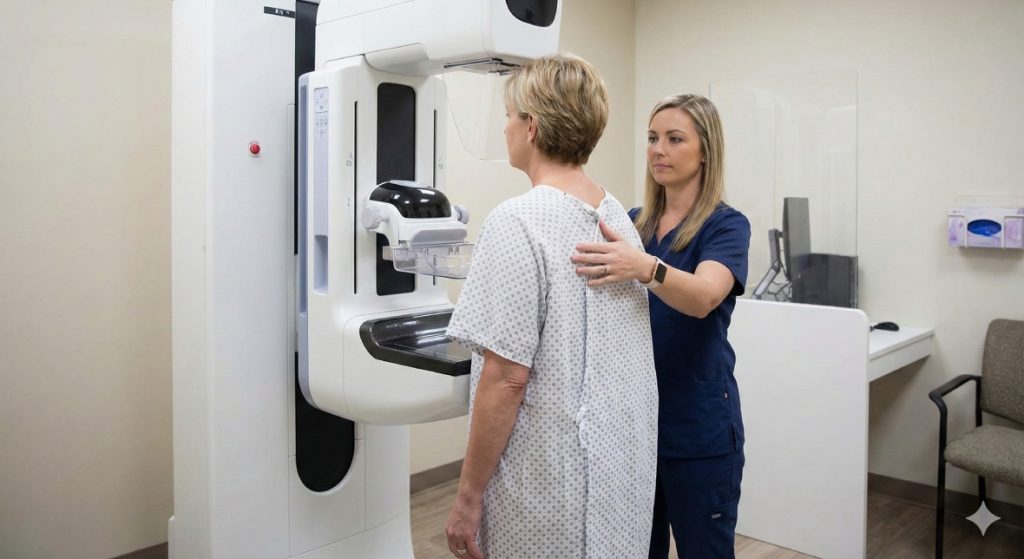
When it comes to protecting your long-term health, few screenings are as powerful—or as misunderstood—as a mammogram. Mammogram services are not just routine medical appointments; they are proactive tools that help detect breast changes long before symptoms appear. For women in Houston and Shenandoah, access to high-quality mammogram services can mean the difference between early…What Makes an Ultrasound Affordable Without Sacrificing Accuracy?
When patients hear that an ultrasound is “affordable,” the word often triggers doubt. In a healthcare system where prices vary wildly, many people assume lower cost must mean lower quality. After all, we’ve been trained to believe that better care always costs more. But diagnostic imaging doesn’t work that way. Ultrasound accuracy isn’t determined by…





Contact Us: We’re Here to Help!
We’d love to hear from you! Whether you have questions about our services, need more information on our diagnostic and pain management options, or would like to schedule an appointment, our friendly and professional team is here to assist you every step of the way. We are dedicated to providing you with the best care and support, and we are happy to address any concerns or inquiries you may have.