How 3D Mammograms Work Compared to Traditional 2D
March 10, 2026
Breast imaging has come a long way in the past few decades. For decades, traditional 2D mammograms have been the standard for breast cancer screening. Recently, however, 3D mammograms, also known as digital breast tomosynthesis, have been increasingly used in diagnostic imaging.
Understanding how these two imaging techniques work, their differences, and what they mean for patient care is important for anyone considering breast imaging services. At NextGen Diagnostic Imaging, we provide advanced mammography options to ensure accurate and reliable results.
Understanding Traditional 2D Mammograms
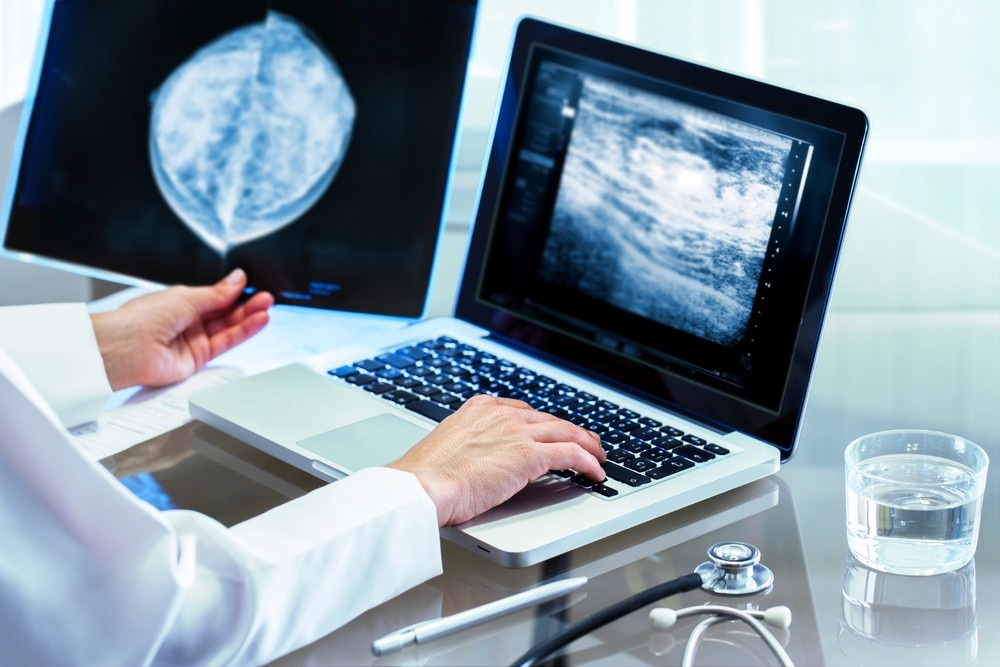
Traditional 2D mammography captures images of the breast in two dimensions. Typically, two views are taken of each breast: the top-to-bottom view (craniocaudal) and the side view (mediolateral oblique). These images are then examined by radiologists to identify any signs of abnormalities, such as masses or calcifications.
How 2D Mammograms Capture Images
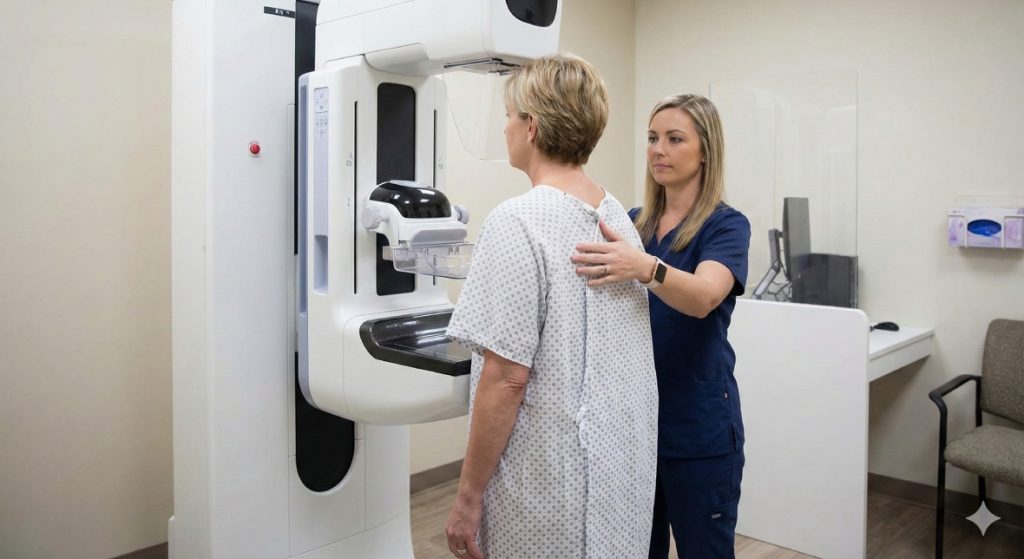
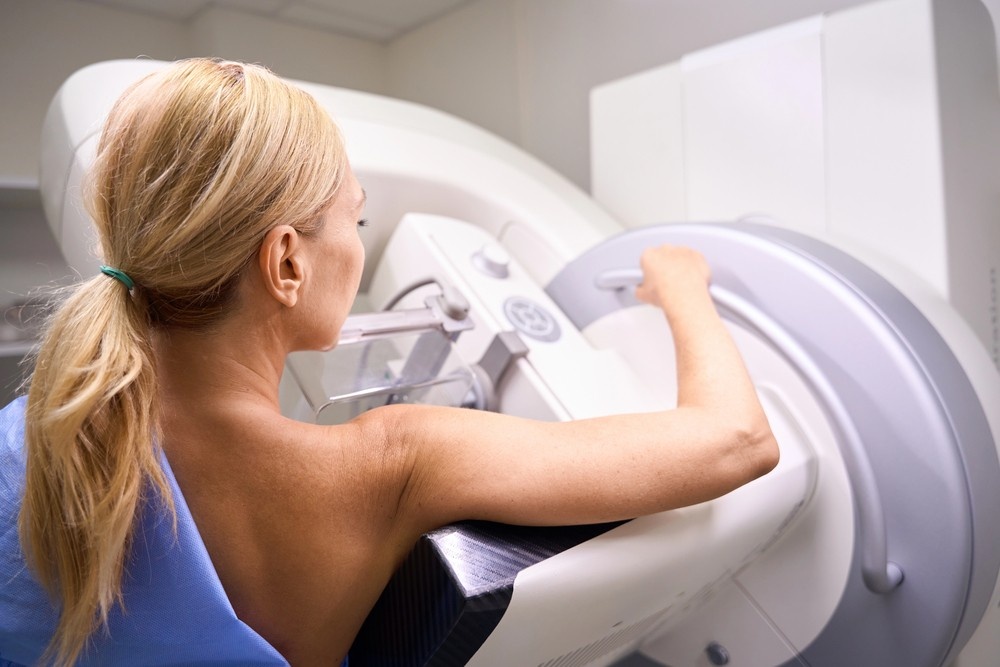
During a 2D mammogram, the breast is compressed between two plates. This compression spreads the tissue for clearer imaging and reduces motion blur. The X-ray machine then takes a single snapshot of the breast in each view. These flat images allow radiologists to identify irregularities, but they have limitations when dense breast tissue is present.
Limitations of 2D Mammography
One key limitation of 2D mammograms is that overlapping tissue can sometimes hide tumors or create false positives.
Dense breast tissue, which is common among younger women, appears white on X-rays, as do many abnormalities. This similarity can make it harder for radiologists to detect small or subtle changes. Consequently, additional imaging or follow-up tests may be required to confirm a diagnosis.

What Are 3D Mammograms?
3D mammography, also known as digital breast tomosynthesis, captures multiple images of the breast from different angles. The X-ray tube moves in an arc over the breast, taking several low-dose images that are then reconstructed into a three-dimensional view. This method allows radiologists to examine thin slices of breast tissue one at a time.
How 3D Mammograms Capture Images
In a 3D mammogram, the breast is similarly compressed, but instead of a single flat image, multiple X-ray exposures are taken. Advanced computer software reconstructs these exposures into a 3D image. Radiologists can scroll through the breast layer by layer, which reduces the likelihood of tissue overlap obscuring abnormalities.
Advantages Over Traditional 2D Imaging
3D mammography provides several advantages compared to 2D imaging:
- Better Detection in Dense Breasts: By examining the breast in slices, radiologists can detect small tumors that may be hidden in overlapping tissue.
- Fewer Callbacks: Because images are clearer and more detailed, patients are less likely to be called back for additional imaging.
- Improved Accuracy: Studies have shown that 3D mammograms improve cancer detection rates and reduce false positives, which can reduce anxiety and unnecessary procedures.
Comparing 2D and 3D Mammograms Side by Side
While both 2D and 3D mammograms are effective tools for breast imaging, they have differences in how they capture and present information. Understanding these differences can help patients make informed decisions about their screening options.
| Feature | 2D Mammogram | 3D Mammogram |
| Image Type | Flat, two-dimensional | Layered, three-dimensional |
| Tissue Overlap | Higher chance of overlapping tissue hiding tumors | Reduced tissue overlap |
| Detection Accuracy | Good, but limited in dense breasts | Higher, especially in dense breast tissue |
| Callback Rate | More frequent due to unclear images | Fewer callbacks and follow-ups |
| Radiation Exposure | Standard low dose | Slightly higher dose, still within safe limits |
What Patients Can Expect During a 3D Mammogram
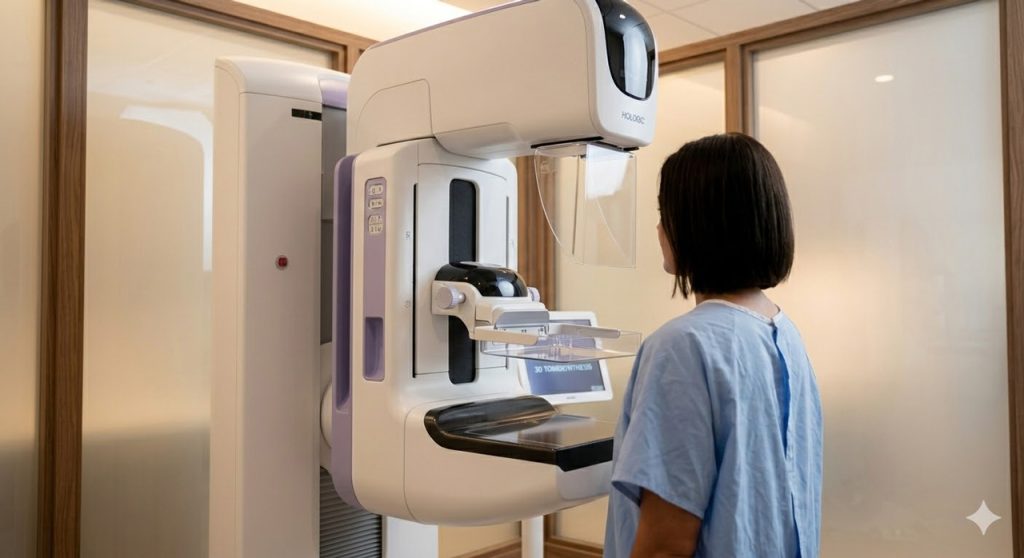
For patients, a 3D mammogram is similar in procedure to a 2D mammogram. The breast is gently compressed, and the scan takes only a few seconds longer than a traditional mammogram. Most patients experience minimal discomfort, similar to what they would during a standard mammogram.
At NextGen Diagnostic Imaging, we prioritize patient comfort while ensuring high-quality imaging. Our staff is trained to guide patients through the process, answer questions, and provide a calm environment during their appointments.
Understanding Radiation Exposure in 3D Mammography
Radiation exposure is a common concern for patients undergoing mammography. While 3D mammograms involve a slightly higher radiation dose than 2D mammograms, the difference is minimal and well within safety guidelines established by regulatory agencies.
Additionally, the benefits of improved detection and reduced need for repeat imaging generally outweigh the small increase in exposure.
Who Can Benefit Most From 3D Mammograms
While all women may benefit from high-quality mammography, certain groups particularly benefit from 3D imaging:
- Women with Dense Breasts: Dense breast tissue can obscure abnormalities on 2D mammograms, but 3D imaging can reveal hidden lesions.
- Women at Higher Risk for Breast Cancer: Those with a family history or other risk factors may benefit from the more detailed imaging of 3D mammography.
- Patients Needing Follow-Up Imaging: 3D mammography can reduce the need for repeat tests, providing a more definitive assessment.
Limitations and Considerations
While 3D mammography has significant advantages, it also has some considerations:
- Slightly Higher Radiation Dose: Although minimal, it is important to discuss with your radiologist if you have concerns about cumulative radiation exposure.
- Availability: Not all imaging centers offer 3D mammography, so patients may need to choose a facility equipped with the necessary technology.
- Insurance Coverage: Many insurance plans now cover 3D mammograms, but coverage may vary depending on the patient’s age, risk factors, and location.
Choosing the Right Imaging Option
When deciding between 2D and 3D mammography, patients should discuss their personal risk factors and preferences with their healthcare provider. At NextGen Diagnostic Imaging, we offer both traditional 2D and advanced 3D mammography, ensuring that every patient receives the imaging that best meets their needs.
Factors to consider include:
- Breast density
- Personal and family history of breast cancer
- Previous mammogram results
- Comfort and convenience
Our team works closely with patients to recommend the most appropriate imaging method and provide clear explanations of results.
Why Choose NextGen Diagnostic Imaging for 3D Mammograms Near the Mid West Area
When it comes to breast health, having the right imaging technology and expert care makes all the difference. At NextGen Diagnostic Imaging, we provide advanced 3D mammograms in Houston, specifically serving the Mid West neighborhood, combining precision, comfort, and convenience for every patient.
Advanced 3D Mammography Technology
Our state-of-the-art 3D mammogram system allows radiologists to examine breast tissue in detailed layers, providing more accurate results than traditional 2D imaging. This technology improves detection rates, reduces false positives, and makes it easier to spot potential concerns early before they become serious.
Personalized Care in Mid West, Houston
At NextGen Diagnostic Imaging, we understand that mammograms can be stressful. That’s why our friendly, highly trained staff prioritizes your comfort and safety from the moment you walk through the door. Serving the Mid West neighborhood, we ensure that your experience is smooth, supportive, and professional.
Benefits of Choosing Us
- Higher Accuracy: Detects small tumors that might be missed in 2D mammograms.
- Fewer Callbacks: Reduce the stress of repeat imaging with clearer, more precise results.
- Quick and Comfortable: Advanced technology means faster scans and minimal discomfort.
- Expert Team: Certified radiologists with experience in breast imaging provide reliable, accurate interpretations.
Convenient Location
Our Mid West Houston location is easy to access, making scheduling your 3D mammogram simple and hassle-free. With modern facilities and the latest imaging technology, we make preventive care convenient without compromising on quality.
Take Charge of Your Breast Health Today
Choosing NextGen Diagnostic Imaging for your 3D mammograms in Houston, Mid West means selecting accuracy, comfort, and expertise. Don’t wait—early detection is one of the most effective ways to protect your health.
Schedule your 3D mammogram today and experience the difference that expert care and advanced imaging technology can make.
NextGen Diagnostic Imaging Serving the Mid West Community and Beyond in Houston
NextGen Diagnostic Imaging is dedicated to serving the diverse needs of the local community of Houston, including individuals residing in neighborhoods like Mid West. With its convenient location near landmarks such as Briarmeadow Park and major intersections like Richmond Ave. and Ann Arbor Dr. (coordinates: 29.73019301718039, -95.50934454470142), we offer 3D mammograms Houston services.
Get 3D Mammograms in Mid West Now
Navigate from Mid West to NextGen Diagnostic Imaging Now
Conclusion
Advances in imaging technology have significantly improved the accuracy and effectiveness of breast cancer screening. While traditional 2D mammograms remain a valuable tool, 3D mammography offers enhanced detection, especially for women with dense breast tissue, and reduces the need for follow-up imaging.
At NextGen Diagnostic Imaging, we provide both 2D and 3D mammography to ensure patients receive the best possible care. By understanding the differences between these two imaging methods, patients can make informed decisions about their breast health and take proactive steps toward early detection and peace of mind.
FAQs
1. What is the difference between a 2D mammogram and a 3D mammogram?
A 2D mammogram takes flat, two-dimensional images of the breast, which can sometimes hide tumors in overlapping tissue. A 3D mammogram, also called digital breast tomosynthesis, captures multiple X-ray images from different angles and reconstructs them into a three-dimensional view, allowing radiologists to examine the breast in thin layers for more accurate detection.
2. Are 3D mammograms more accurate than traditional 2D mammograms?
Yes. 3D mammograms provide clearer, more detailed images, especially for women with dense breast tissue. This reduces the chance of missing small tumors and lowers the likelihood of false positives, meaning fewer follow-up appointments or callbacks are needed.
3. Is the procedure for a 3D mammogram different or more uncomfortable than a 2D mammogram?
The procedure is very similar. The breast is gently compressed, just like in a 2D mammogram. While the 3D scan may take a few extra seconds, most patients experience similar comfort levels. At NextGen Diagnostic Imaging, patient comfort is a top priority during all imaging procedures.
4. Does a 3D mammogram expose me to more radiation?
3D mammograms involve a slightly higher radiation dose than 2D mammograms, but it remains within safe limits set by regulatory authorities. The benefits of improved accuracy and reduced need for repeat imaging generally outweigh the small increase in radiation exposure.
5. Who should consider getting a 3D mammogram?
Women who may benefit most from 3D mammograms include those with dense breast tissue, individuals at higher risk for breast cancer due to family history or genetics, and patients who want more precise imaging to reduce the chance of callbacks. Your healthcare provider can help determine which option is best for your situation.

NextGen Scan
What Age Is Ideal for 3D Mammogram Screening
Breast cancer screening has changed significantly over the past decade, especially with the increased use of 3D mammogram screening, also known as digital breast tomosynthesis. Many women now ask a common question: What age is ideal for a 3D mammogram? The answer depends on medical guidelines, personal risk factors, and conversations with a healthcare provider….How X-Ray Services Help Doctors Make Fast Diagnoses
In healthcare, timing can be the difference between a minor concern and a major medical emergency. When symptoms appear—whether it’s sudden pain, shortness of breath, or an unexplained injury—doctors need answers quickly. This is where X-ray services step in as one of the most powerful diagnostic tools in modern medicine. For patients seeking X-ray services…What Are Mammogram Services And What Do They Include?
When it comes to protecting your long-term health, few screenings are as powerful—or as misunderstood—as a mammogram. Mammogram services are not just routine medical appointments; they are proactive tools that help detect breast changes long before symptoms appear. For women in Houston and Shenandoah, access to high-quality mammogram services can mean the difference between early…

Contact Us: We’re Here to Help!
We’d love to hear from you! Whether you have questions about our services, need more information on our diagnostic and pain management options, or would like to schedule an appointment, our friendly and professional team is here to assist you every step of the way. We are dedicated to providing you with the best care and support, and we are happy to address any concerns or inquiries you may have.