How Accurate Are MRI Services In Medical Diagnosis
March 13, 2026
Medical imaging has changed how doctors detect and monitor many health conditions. One of the most widely used imaging tools is the Magnetic Resonance Imaging (MRI). MRI services help doctors look inside the body without surgery, using detailed images of organs, tissues, and structures.
When talking about diagnostic imaging, many patients ask an important question: How accurate are MRI services in medical diagnosis? Understanding how MRI works, what affects its accuracy, and when it is most useful can help patients make informed decisions about their healthcare.
This article explains the accuracy of MRI scans, how they support medical diagnosis, and why healthcare providers rely on this imaging method for many conditions.
Understanding MRI Technology
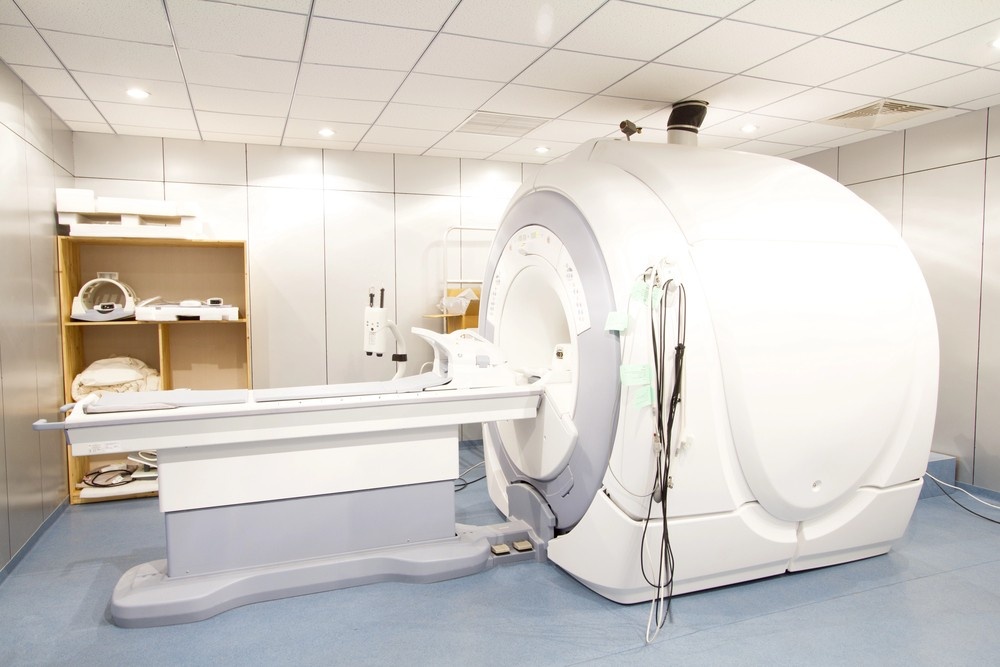
MRI is an advanced imaging method that uses strong magnetic fields and radio waves to produce detailed pictures of the body’s internal structures. Unlike imaging methods such as Computed Tomography (CT scans) or X-ray imaging, MRI does not use ionizing radiation.
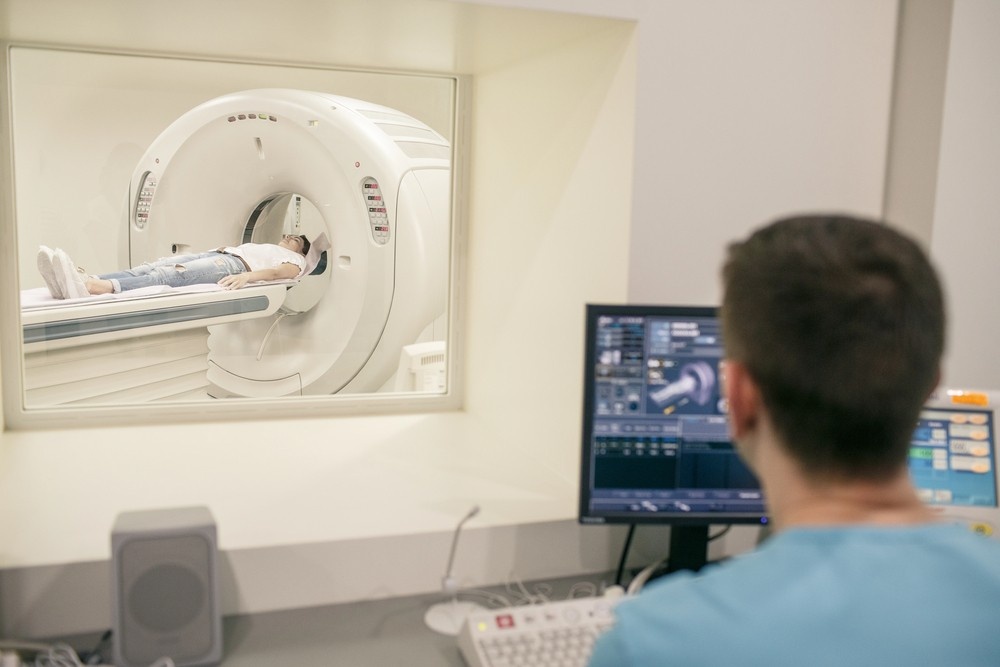
During an MRI scan, the patient lies inside a large cylindrical machine. The magnetic field interacts with hydrogen atoms in the body, and radio signals are used to create highly detailed images. These images allow doctors and radiologists to examine soft tissues, organs, and blood vessels.
MRI scans are often used to evaluate:
- Brain and spinal cord conditions
- Joint and ligament injuries
- Tumors and abnormal growths
- Heart and blood vessel problems
- Internal organ abnormalities
Because MRI creates detailed images of soft tissue, it is especially useful for areas that may be difficult to evaluate using other imaging methods.
Overall Accuracy of MRI in Medical Diagnosis
MRI scans are known for their high diagnostic accuracy, particularly when evaluating soft tissues. In many clinical settings, MRI has accuracy rates that range from 85% to over 95%, depending on the condition being examined.
The accuracy of MRI depends on several factors:
- The type of condition being investigated
- The quality of the MRI equipment
- The experience of the radiologist interpreting the images
- The patient’s ability to remain still during the scan
MRI scans are particularly reliable when diagnosing issues related to the brain, spine, joints, and certain internal organs. For many conditions, MRI can detect abnormalities earlier than other imaging techniques.
Still, like any diagnostic tool, MRI scans are not perfect. Doctors often combine MRI results with other medical tests, physical exams, and patient history to reach a final diagnosis.
Conditions Where MRI Shows High Diagnostic Accuracy
MRI is widely used across different areas of medicine because of its ability to capture highly detailed images. In some cases, MRI is considered one of the most accurate imaging methods available.
Brain and Neurological Conditions
MRI is commonly used to evaluate the brain and nervous system. It can detect structural changes in brain tissue that may not appear on other imaging tests.
Doctors often use MRI to diagnose:
- Brain tumors
- Stroke damage
- Multiple sclerosis
- Brain infections
- Structural abnormalities
MRI can show very small changes in brain tissue, which helps doctors detect neurological disorders at earlier stages.
Musculoskeletal Injuries
When talking about injuries to muscles, ligaments, or joints, MRI provides detailed images that help doctors understand the severity of the injury.
For example, MRI scans are commonly used for:
- Torn ligaments such as ACL injuries
- Rotator cuff damage in the shoulder
- Cartilage injuries in the knee
- Tendon problems
Because MRI clearly shows soft tissue structures, orthopedic specialists rely on it to guide treatment plans.
Cancer Detection and Monitoring
MRI is often used to detect tumors and monitor cancer treatment. The technology allows doctors to examine the size, location, and structure of abnormal growths.
MRI can help identify cancers in areas such as:
- Brain
- Liver
- Prostate
- Breast
- Spine
In many cases, MRI helps doctors determine whether a tumor has spread to nearby tissues.
Factors That Influence MRI Accuracy
Even though MRI is a highly accurate imaging method, several factors can affect the quality of the images and the accuracy of the diagnosis.
Image Quality
High-quality imaging equipment produces clearer and more detailed scans. Modern MRI systems often provide improved resolution and faster scan times.
Better imaging quality allows radiologists to identify abnormalities more easily.
Patient Movement During the Scan
MRI scans require patients to remain still during the imaging process. Movement can blur the images and make them harder to interpret.
Even small movements can affect the clarity of the scan, which may reduce diagnostic accuracy.
Experience of the Radiologist
MRI images are interpreted by trained medical specialists called radiologists. Their experience plays an important role in identifying abnormalities and providing accurate reports.
A skilled radiologist can detect subtle changes in tissue that may indicate early disease.
Use of Contrast Agents
Some MRI exams use a contrast material known as Gadolinium contrast agent. This substance helps highlight certain structures in the body.
Contrast-enhanced MRI scans can improve visibility of:
- Blood vessels
- Tumors
- Inflammation
- Organ structures
When used appropriately, contrast agents can increase the diagnostic accuracy of MRI imaging.
Limitations of MRI in Diagnosis
While MRI provides excellent imaging detail, it is not always the best choice for every medical situation.
Bone and Calcified Structures
MRI is not always the first imaging option for evaluating bone fractures or calcified tissues. In many cases, doctors may use CT scans or X-rays for these conditions.
These imaging methods are better at detecting hard structures such as bones.
Long Scan Times
MRI scans often take 20 to 60 minutes, depending on the area being examined. Patients must remain still during the scan, which may be challenging for some individuals.
Long scan times can also limit MRI use in emergency situations.
Metal Implants and Medical Devices
MRI machines produce strong magnetic fields. Patients with certain implants may not be able to undergo MRI safely.
These may include:
- Some pacemakers
- Metal implants
- Certain surgical clips
Doctors review each patient’s medical history before recommending an MRI exam.
How MRI Supports Accurate Medical Decisions
MRI scans play an important role in helping doctors develop accurate treatment plans. The images provide detailed information that supports many clinical decisions.
Doctors often use MRI results to:
- Confirm or rule out a suspected diagnosis
- Monitor disease progression
- Evaluate treatment results
- Guide surgical planning
When combined with other diagnostic tools, MRI helps provide a more complete picture of a patient’s health condition.
The Role of MRI in Preventive and Early Diagnosis
MRI is also useful in early detection of some conditions. Early diagnosis can help doctors start treatment sooner and improve patient outcomes.
For example, MRI screening may be recommended for patients with higher risk of certain cancers or neurological conditions.
Early imaging allows doctors to identify changes in tissues before symptoms become severe.
Accessing Professional MRI Services
Access to high-quality imaging services can improve the accuracy of medical diagnosis and support better patient care. Advanced imaging centers use modern equipment and trained radiology specialists to produce reliable results.
Patients seeking professional imaging services can consider NextGen Diagnostic Imaging, where advanced MRI technology and experienced staff help support accurate medical evaluations.
High-quality imaging, combined with careful analysis, helps doctors gain clear insight into many health conditions.
Trusted MRI Services in Houston: Why Patients Choose NextGen Diagnostic Imaging Near Gulfton
When you need clear answers about your health, choosing the right imaging provider matters. If you are searching for MRI services in Houston near Gulfton, it helps to work with a diagnostic center that focuses on accuracy, patient comfort, and reliable results.
At NextGen Diagnostic Imaging, patients receive high-quality imaging services supported by modern technology and experienced professionals.
Our goal is simple: provide accurate diagnostic imaging while making the process comfortable and efficient for every patient.
Advanced MRI Technology for Accurate Results
One of the main reasons patients choose NextGen Diagnostic Imaging is our use of advanced Magnetic Resonance Imaging technology. MRI scans create highly detailed images of organs, tissues, joints, and the nervous system, helping doctors understand what is happening inside the body.
Our imaging systems are designed to produce clear, high-resolution scans that help physicians identify many conditions, including:
- Brain and spine disorders
- Joint and ligament injuries
- Soft tissue abnormalities
- Tumors and abnormal growths
- Internal organ conditions
Detailed imaging supports more accurate medical evaluations, which helps doctors make informed decisions about treatment.
Convenient MRI Services for the Gulfton Community
For many patients, traveling across the city for medical imaging can be stressful. That is why accessibility matters. Our imaging center serves patients looking for MRI services in Houston near Gulfton, offering a convenient option for residents in the surrounding area.
Located near the busy intersection of Gulfton Street and Chimney Rock Road, the facility is easy to reach for patients living in the Gulfton neighborhood and nearby communities.
This convenient location helps patients schedule imaging without long travel times, which is especially helpful when dealing with ongoing medical concerns.
Experienced Imaging Professionals
Accurate imaging is not only about advanced equipment. The experience of the medical team also plays a large role in producing reliable results.
At NextGen Diagnostic Imaging, scans are performed by trained imaging technologists who understand the importance of proper positioning and image clarity. After the scan, the images are carefully reviewed by radiology specialists who analyze the results and prepare detailed reports for your doctor.
This careful process helps ensure that your physician receives the information needed to evaluate your condition.
Comfortable and Patient-Focused MRI Experience
MRI scans can sometimes make patients feel nervous, especially if it is their first imaging exam. At NextGen Diagnostic Imaging, patient comfort is an important part of the process.
Our team takes time to guide patients through each step of the MRI exam so they know what to expect. The goal is to create a calm and supportive environment during the scan.
Patients appreciate several features of our service:
- Clear instructions before the scan
- Friendly staff available to answer questions
- Efficient appointment scheduling
- A focus on minimizing waiting times
These small details help create a smoother experience during what can often be a stressful time.
Reliable Imaging That Supports Your Doctor’s Diagnosis
Doctors rely on imaging results to help confirm or rule out medical conditions. MRI scans are commonly used when evaluating the brain, spine, joints, and internal organs.
Because MRI imaging shows soft tissues in high detail, it can help detect issues that may not appear on other imaging methods such as X-ray imaging or Computed Tomography scans.
The detailed images produced during an MRI exam help doctors:
- Understand the cause of symptoms
- Monitor ongoing conditions
- Plan treatment options
- Evaluate recovery after treatment or surgery
By providing clear and accurate imaging, NextGen Diagnostic Imaging helps support better medical decision-making.
Flexible Scheduling for Busy Patients
Healthcare appointments should fit into your life as smoothly as possible. Many patients choose NextGen Diagnostic Imaging because scheduling an MRI scan is simple and convenient.
Our team works with patients and referring physicians to arrange appointments that fit individual schedules. Faster appointment availability can also help patients receive answers sooner, which is often an important part of medical care.
Why Patients in Gulfton Choose NextGen Diagnostic Imaging
Patients searching for MRI services in the Houston or near Gulfton area often look for a provider that offers both accuracy and convenience. NextGen Diagnostic Imaging continues to earn patient trust because we focus on several key priorities:
- Advanced MRI technology
- Skilled imaging professionals
- Comfortable patient experience
- Convenient location for Gulfton residents
- Reliable diagnostic imaging results
By combining modern imaging technology with attentive patient care, we aim to provide a dependable diagnostic service for the Houston community.
Schedule Your MRI Today
If your doctor has recommended an MRI scan, choosing a trusted imaging center can make a difference in your diagnostic experience.
For patients seeking MRI services in the Houston or Gulfton area, NextGen Diagnostic Imaging offers modern imaging technology, experienced professionals, and a convenient location.
Contact our team today to schedule your MRI appointment and take the next step toward clear answers about your health.
NextGen Diagnostic Imaging Serving the Gulfton Community and Beyond in Houston
NextGen Diagnostic Imaging is dedicated to serving the diverse needs of the local community of Houston, including individuals residing in neighborhoods like Gulfton. With its convenient location near landmarks such as Benavidez Elementary School and major intersections like Gulfton St. and Westward St. (coordinates: 29.716704099999987, -95.4938099), we offer MRI services Houston services.
Get MRI Services in Gulfton Now
Navigate from Gulfton to NextGen Diagnostic Imaging Now
Conclusion
MRI services are among the most accurate tools available for medical diagnosis. The technology produces detailed images of soft tissues, organs, and internal structures without using radiation.
MRI scans are widely used to evaluate brain conditions, joint injuries, tumors, and many other medical issues. While several factors can influence accuracy, modern MRI systems and experienced radiologists provide reliable diagnostic information in most cases.
Although MRI is not always the best imaging method for every condition, it remains an important part of modern healthcare. When used alongside other medical tests and clinical evaluation, MRI helps doctors make informed decisions that support effective treatment and patient care.
FAQs
1. How accurate are MRI scans in diagnosing medical conditions?
Magnetic Resonance Imaging (MRI) scans are widely known for their high accuracy in detecting many medical conditions, especially those involving soft tissues. In many diagnostic cases, MRI accuracy can range from 85% to over 95%, depending on the condition being evaluated. MRI is particularly effective for identifying problems in the brain, spine, joints, and internal organs because it produces highly detailed images that help doctors detect abnormalities.
2. What types of conditions can MRI scans diagnose?
MRI scans are commonly used to diagnose a wide range of health conditions. These include neurological disorders, joint injuries, tumors, and internal organ problems. Doctors frequently use MRI to evaluate conditions such as brain tumors, spinal cord issues, ligament injuries, and certain cancers. Because MRI provides detailed images of soft tissues, it is often more effective than imaging methods like X-ray imaging for detecting these types of problems.
3. What factors can affect the accuracy of an MRI scan?
Several factors can influence the accuracy of an MRI scan. These include the quality of the MRI equipment, the patient’s ability to remain still during the scan, and the experience of the radiologist reviewing the images. In some cases, doctors may also use a contrast material such as Gadolinium contrast agent to improve image clarity and highlight certain structures inside the body.
4. Are MRI scans more accurate than CT scans or X-rays?
MRI scans are often more accurate for examining soft tissues, such as muscles, ligaments, the brain, and internal organs. However, other imaging methods like Computed Tomography (CT scans) or X-rays may be better for detecting bone fractures or calcified structures. Doctors usually choose the imaging method based on the specific condition they need to evaluate.
5. Can MRI scans detect problems before symptoms appear?
Yes, MRI scans can sometimes detect early changes in tissues before noticeable symptoms develop. This makes MRI useful for early detection and monitoring of certain diseases, including tumors and neurological conditions. Early imaging results allow doctors to begin treatment sooner and monitor how conditions change over time.

NextGen Scan
How 3D Mammograms Work Compared to Traditional 2D
Breast imaging has come a long way in the past few decades. For decades, traditional 2D mammograms have been the standard for breast cancer screening. Recently, however, 3D mammograms, also known as digital breast tomosynthesis, have been increasingly used in diagnostic imaging. Understanding how these two imaging techniques work, their differences, and what they mean…What Age Is Ideal for 3D Mammogram Screening
Breast cancer screening has changed significantly over the past decade, especially with the increased use of 3D mammogram screening, also known as digital breast tomosynthesis. Many women now ask a common question: What age is ideal for a 3D mammogram? The answer depends on medical guidelines, personal risk factors, and conversations with a healthcare provider….How X-Ray Services Help Doctors Make Fast Diagnoses
In healthcare, timing can be the difference between a minor concern and a major medical emergency. When symptoms appear—whether it’s sudden pain, shortness of breath, or an unexplained injury—doctors need answers quickly. This is where X-ray services step in as one of the most powerful diagnostic tools in modern medicine. For patients seeking X-ray services…


Contact Us: We’re Here to Help!
We’d love to hear from you! Whether you have questions about our services, need more information on our diagnostic and pain management options, or would like to schedule an appointment, our friendly and professional team is here to assist you every step of the way. We are dedicated to providing you with the best care and support, and we are happy to address any concerns or inquiries you may have.