How Does CT Scan Work?
July 19, 2025
Ever wondered how doctors can see inside your body without making a single cut? That’s the magic of a CT scan—a high-tech imaging test that’s become a cornerstone in modern medicine. Whether you’re dealing with mystery symptoms, a sudden emergency, or monitoring an ongoing condition, a CT scan can reveal what’s going on inside with astonishing detail.
What Is a CT Scan?
CT scan stands for Computed Tomography scan. It’s like taking X-rays to the next level. Instead of capturing just one flat image like a traditional X-ray, a CT scan captures multiple cross-sectional images of your body from different angles and uses a computer to stitch them together into a detailed 3D model.
CT Scan vs. X-Ray: What’s the Difference?
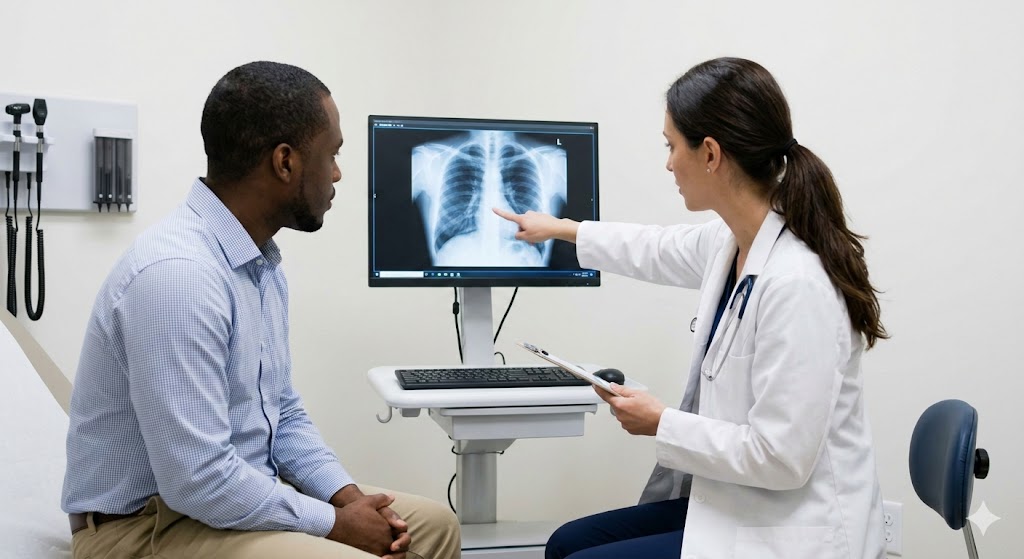
Think of an X-ray as a snapshot and a CT scan as a movie reel. X-rays are quick and great for spotting things like broken bones. But if you need to see soft tissues, organs, or tumors more clearly—CT is the go-to. It can reveal things that X-rays simply miss.
Common Reasons You Might Need a CT Scan
- Detecting tumors and cancers
- Diagnosing injuries from accidents
- Evaluating symptoms like abdominal pain or chronic headaches
- Guiding surgeries or biopsies
- Monitoring chronic conditions
The Science Behind the Scan
Here’s where it gets technical—but stay with us. The actual process is fascinating and smarter than it sounds.
X-Rays and Rotating Detectors
Inside the CT machine, an X-ray tube rotates around your body, sending out beams from multiple angles. Opposite the X-ray tube are detectors that catch the rays as they pass through. Dense things like bones block more rays, while soft tissues let more through. That contrast creates the image.
The Role of Computers in CT Imaging
All those signals? They go straight to a powerful computer that reconstructs your body slice by slice. It’s like digital magic—each “slice” is less than a millimeter thick. Stack enough slices together and boom—you’ve got a full 3D picture.
Inside the CT Scan Experience: What You Can Expect at Your Appointment
If you’ve got a CT scan scheduled, understanding the process can take a lot of the nerves out of it. At NextGen Diagnostic Imaging, patient comfort and clarity are a top priority—so here’s a breakdown of what really happens during your visit.
Step-by-Step Walkthrough
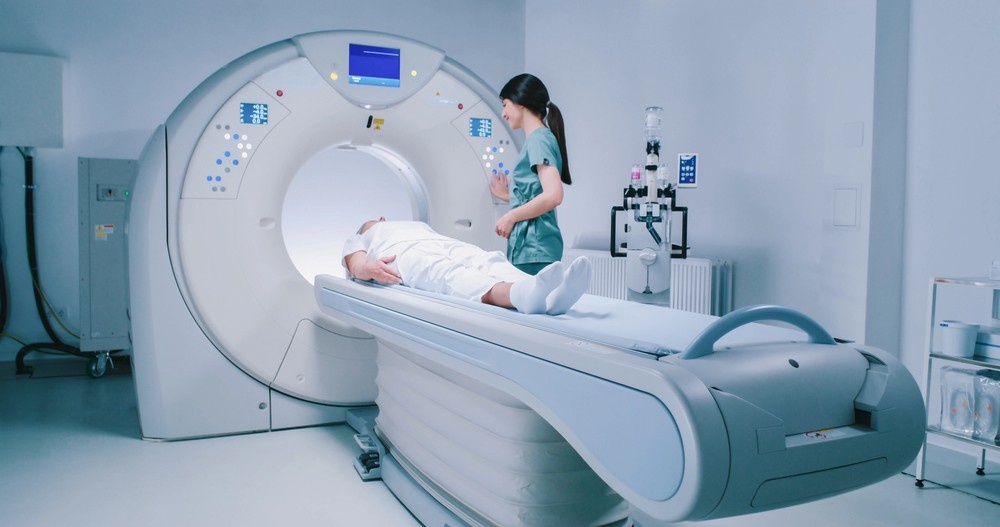
- You’ll lie down on a smooth, motorized table—usually on your back, but positioning may vary depending on the scan.
- The table gently moves into the scanner, which looks like a big, round doughnut (not scary at all).
- You’ll be asked to stay very still so the images come out sharp and accurate.
- You may need to hold your breath for a few seconds if your chest or abdomen is being scanned.
- The entire process usually takes 10 to 30 minutes, depending on the body area and whether contrast dye is used.
With or Without Contrast Dye
In some cases, your doctor may recommend a contrast dye to improve visibility in the images. This special dye helps highlight specific areas like blood vessels, intestines, or organs:
- You might drink it,
- You might get it through an IV,
- Or sometimes both, depending on the type of scan.
The contrast material is safe for most people, but if you’ve had allergies or kidney issues, the medical team will assess and guide you accordingly.
At NextGen Diagnostic Imaging, staff are trained to explain everything before, during, and after the scan, so you’ll never feel left in the dark.
Types of CT Scans
Not all CT scans are created equal. Depending on the medical concern, different types are used.
Head and Brain CT
Used to check for strokes, brain injuries, or bleeding inside the skull.
Chest CT
Great for spotting lung problems, infections, tumors, and even blood clots in the lungs.
Abdominal and Pelvic CT
Used to diagnose issues in organs like the liver, kidneys, pancreas, intestines, and reproductive organs.
Cardiac CT
This one’s for the heart. It can detect blocked arteries or heart disease early, sometimes before symptoms even show up.
Preparing for a CT Scan
No need to stress—prep is usually minimal.
Before the Appointment
- Your provider might ask you not to eat or drink for a few hours.
- You’ll be asked about allergies, especially to contrast dye or iodine.
- If you’re pregnant or might be, tell your doctor ahead of time.
What to Wear (And What Not to)
Skip the metal. That includes jewelry, zippers, and even some bras. Wear comfy clothes or be ready to change into a gown.
Are CT Scans Safe?
This is a common question—and a fair one.
Radiation Exposure: What You Should Know
CT scans do use ionizing radiation, which sounds scary, but the amount is controlled and typically very low. The benefits almost always outweigh the risks, especially when your health is on the line.
Special Considerations for Children and Pregnant Women
CT is used cautiously for kids and pregnant women due to radiation sensitivity. In these cases, doctors will often choose an ultrasound or MRI instead, unless a CT is absolutely necessary.
Benefits of CT Scans
There’s a reason CT scans are ordered so frequently.
Quick and Painless Diagnosis
You’re in and out fast—and the results are crystal clear. For things like internal bleeding or appendicitis, time matters, and CT scans deliver fast answers.
Life-Saving in Emergencies
From car crashes to strokes, CT scans are game changers in ER settings. They help doctors make critical decisions in minutes.
Limitations and Risks
Like all tools, CT scans aren’t perfect.
Not Always the First Choice
Sometimes an MRI or ultrasound is better suited, especially for soft tissue imaging or when avoiding radiation is a priority.
Contrast Reactions and Claustrophobia
Some people react to contrast dye—itching, nausea, or in rare cases, more severe allergic responses. Claustrophobic? Let the techs at NextGen Diagnostic Imaging know—they’re pros at making you comfortable.
How CT Imaging Helps at NextGen Diagnostic Imaging
Located in Houston, NextGen Diagnostic Imaging offers cutting-edge CT technology tailored to each patient’s needs.
Advanced Machines, Faster Results
Their scanners are designed for speed and comfort. Faster scans mean less radiation and more accuracy.
Patient-Centered Care
You’re not just a number. At NextGen, the staff walks you through every step, explains what’s happening, and gets you results fast—usually within 24 hours.
The Future of CT Technology
It’s only getting better.
AI and Faster Imaging
Artificial intelligence is starting to help radiologists spot problems even faster and more accurately.
Lower Dose, Higher Clarity
Newer machines are reducing radiation doses while increasing image quality. That’s a win-win.
NextGen Diagnostic Imaging Serving the Shenandoah Community and Beyond in Houston
NextGen Diagnostic Imaging is dedicated to serving the diverse needs of the local community of Houston, including individuals residing in neighborhoods like Shenandoah. With its convenient location near landmarks such as the Klein Early Head Start/Head Start and major intersections like Westward St. & Gulfton St. (coordinates: 29.716704099999987, -95.4938099), we offer ct scan services Houston.
Get CT Scan Services Houston at Shenandoah Now
NextGen Diagnostic Imaging Serving the Shenandoah Community and Beyond in Houston
Why CT Scans Matter and Where to Get the Care You Deserve
A CT scan is one of the most powerful diagnostic tools in modern medicine. It combines X-rays, computer processing, and smart design to give doctors a window into your body—all without a single incision.
When you choose a trusted provider like NextGen Diagnostic Imaging, you’re not just getting a scan—you’re getting expert care, fast answers, and peace of mind.
FAQs
1. How long does a CT scan take at NextGen Diagnostic Imaging?
Most scans are done in 10 to 30 minutes, depending on the area being examined.
2. Is a CT scan painful?
Nope! You won’t feel the scan itself. If contrast dye is used, you might feel a warm sensation or metallic taste briefly.
3. Can I eat before a CT scan?
That depends. For abdominal scans or contrast scans, you might be asked to fast. Always follow the prep instructions given.
4. What if I’m allergic to iodine or contrast dye?
Let your doctor know beforehand. Alternatives or pre-medication may be available to reduce risk.
5. How soon will I get my results?
NextGen Diagnostic Imaging typically delivers results within 24 hours, sometimes even faster.

NextGen Scan
How X-Ray Services Help Doctors Make Fast Diagnoses
In healthcare, timing can be the difference between a minor concern and a major medical emergency. When symptoms appear—whether it’s sudden pain, shortness of breath, or an unexplained injury—doctors need answers quickly. This is where X-ray services step in as one of the most powerful diagnostic tools in modern medicine. For patients seeking X-ray services…What Are Mammogram Services And What Do They Include?
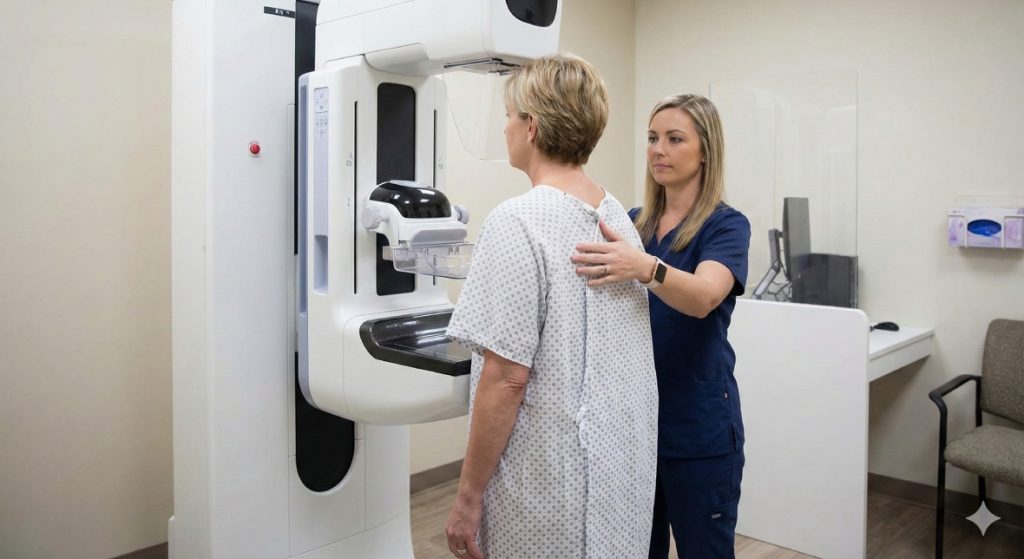
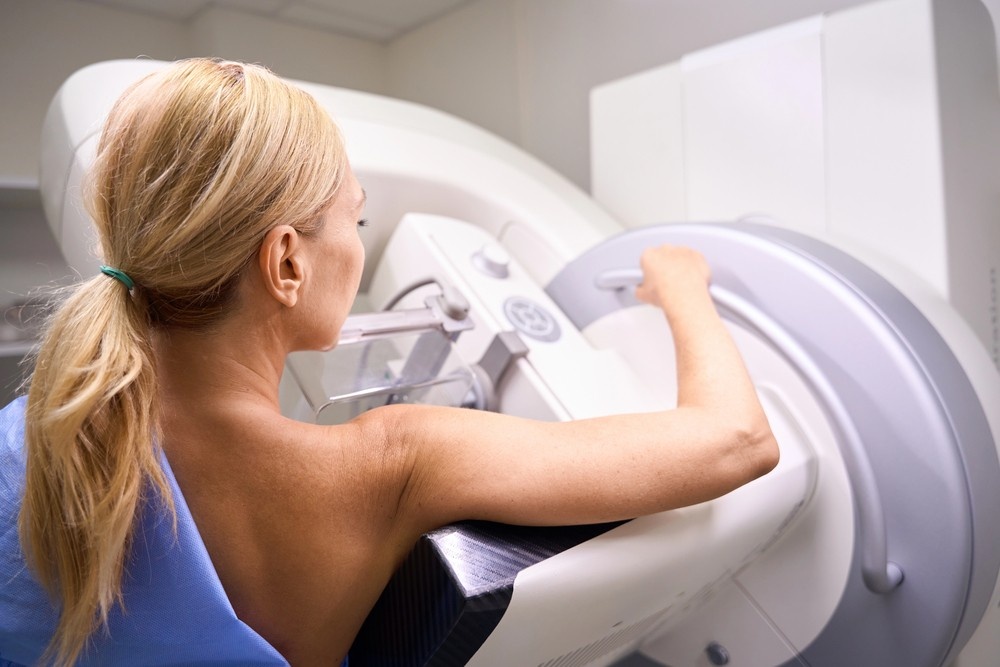
When it comes to protecting your long-term health, few screenings are as powerful—or as misunderstood—as a mammogram. Mammogram services are not just routine medical appointments; they are proactive tools that help detect breast changes long before symptoms appear. For women in Houston and Shenandoah, access to high-quality mammogram services can mean the difference between early…What Makes an Ultrasound Affordable Without Sacrificing Accuracy?
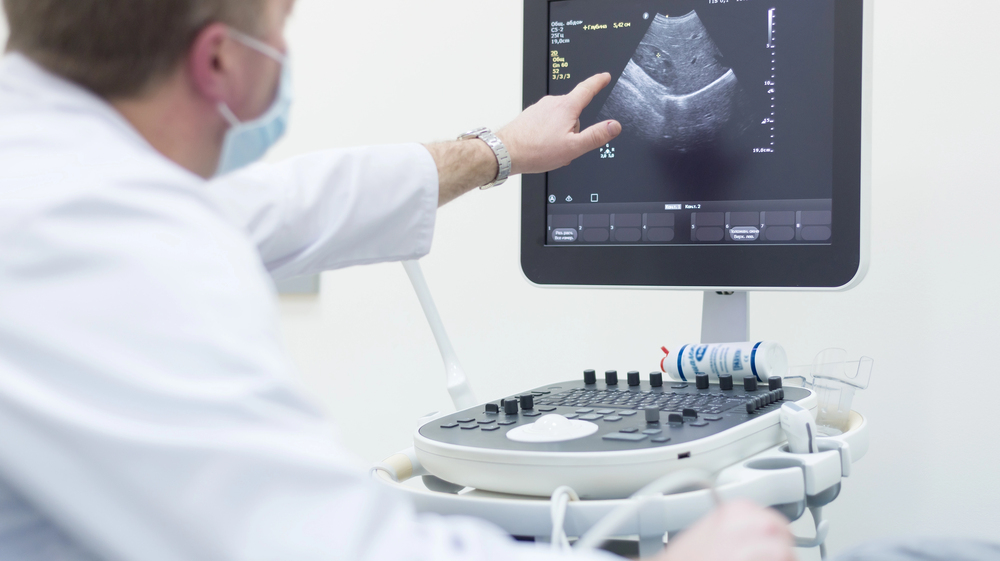
When patients hear that an ultrasound is “affordable,” the word often triggers doubt. In a healthcare system where prices vary wildly, many people assume lower cost must mean lower quality. After all, we’ve been trained to believe that better care always costs more. But diagnostic imaging doesn’t work that way. Ultrasound accuracy isn’t determined by…


Contact Us: We’re Here to Help!
We’d love to hear from you! Whether you have questions about our services, need more information on our diagnostic and pain management options, or would like to schedule an appointment, our friendly and professional team is here to assist you every step of the way. We are dedicated to providing you with the best care and support, and we are happy to address any concerns or inquiries you may have.