How Much Do Imaging Centers Make?
July 27, 2025
If you’ve ever wondered how much money imaging centers rake in every year, you’re not alone. With the rise of advanced diagnostics and the constant demand for CT scans, MRIs, and ultrasounds, imaging centers have become an essential — and potentially lucrative — part of modern healthcare. But how profitable are they really?
Let’s break it down, with a special look at NextGen Diagnostic Imaging, one of the top-performing centers in this industry.
Understanding the Imaging Center Business
What Is an Imaging Center?
An imaging center is a medical facility equipped to perform diagnostic tests using various imaging technologies — think MRIs, CT scans, X-rays, ultrasounds, and more. These centers often operate independently or alongside hospitals and clinics, offering critical information to guide diagnoses and treatments.
The Role of Diagnostic Imaging in Healthcare
In today’s healthcare system, imaging is like the detective’s magnifying glass. It uncovers what the naked eye can’t see — from fractures to tumors to organ dysfunction. Physicians rely on timely imaging to make life-saving decisions, which means imaging centers are constantly in demand.
Revenue Streams in Imaging Centers
Insurance Billing vs. Out-of-Pocket Payments
Most imaging centers get paid through a mix of insurance reimbursements and direct patient payments. Insurance billing can be lucrative, but slow. Out-of-pocket payments — especially for those with high-deductible plans — offer faster cash flow.
Types of Imaging Services That Generate Income
MRI and CT Scans
These are the big earners. A single MRI scan can range from $400 to over $3,000 depending on complexity, while CT scans typically bring in $300 to $2,500 per scan.
X-rays and Ultrasounds
X-rays are low-cost and high-volume, often charging $50 to $500 each. Ultrasounds range from $100 to $1,000 and are used across many specialties — from OB-GYN to cardiology.
Specialized Imaging (PET, Bone Density, etc.)
PET scans, DEXA scans, and other specialty tests are less frequent but highly profitable. A PET scan, for example, may cost upwards of $5,000.
How Much Do Imaging Centers Typically Make?
Average Annual Revenue
So, how much money are we actually talking about when it comes to imaging centers? The short answer: a lot — if done right. Most standalone imaging centers bring in between $1 million and $10 million per year, but that range can swing dramatically based on several factors.
Let’s break it down:
- Size and Scope: A smaller center that offers only X-rays and ultrasounds might generate closer to the $1–$2 million mark annually. On the flip side, a larger facility with high-tech MRIs, CT scanners, PET scans, and a steady stream of patients could easily top $5–$10 million in annual revenue.
- Volume of Patients: Centers that serve 50 to 100+ patients per day, like NextGen Diagnostic Imaging, often generate more income simply due to scale. Busy metropolitan locations tend to see higher patient flow, especially if they’re connected with referral pipelines from hospitals, urgent care clinics, or physician networks.
- Cash vs. Insurance Payments: The revenue also depends on how payments are collected. Imaging centers that focus on cash-based services, such as elective scans, can bring in faster revenue, while insurance-heavy centers may earn more overall — just on a longer timeline due to billing cycles.
- Specialty Services: Some imaging centers specialize in high-end, high-cost procedures like cardiac MRIs or PET/CT fusion scans. These rare but high-ticket services can bring in $2,000–$5,000 per scan, and even a few of these a week can significantly boost annual earnings.
Facilities like NextGen Diagnostic Imaging, which combine advanced technology with a broad service range and efficient scheduling, often outperform the average — sometimes exceeding $12 million per year when all factors align.
Profit Margins Explained
Revenue is one thing — but how much of that actually turns into profit?
On average, imaging centers operate with profit margins between 15% and 30%. That’s relatively healthy in the healthcare world, especially when compared to general practice offices or primary care clinics, which often hover closer to 10%.
Here’s how it breaks down:
- High Fixed Costs, Then High Rewards: Imaging centers have steep startup costs (we’re talking $1–$3 million or more) due to equipment and buildout. But once those upfront costs are handled, the ongoing expenses become more predictable — and each scan contributes to profit after reaching the breakeven point.
- CT and MRI Machines as Revenue Engines: A well-utilized MRI machine can perform 10–20 scans per day, charging $400–$3,000 per scan. Do the math, and you’ll see how a single machine can bring in $1 million+ annually when used effectively.
- Operational Efficiency = Higher Margins: Imaging centers that streamline their workflow — fewer no-shows, optimized scheduling, automated reporting — tend to land on the higher end of the profit spectrum. This is where NextGen Diagnostic Imaging shines: their lean operational model, combined with investments in AI and faster report turnaround, allows them to maximize revenue while keeping staffing and downtime costs in check.
- Radiologist Pay Structure Matters: Centers that outsource radiology interpretation through teleradiology can often reduce overhead. Others keep radiologists on salary. The right model impacts profit significantly — especially when balancing speed, accuracy, and payroll costs.
- Maintenance and Service Contracts: This is a hidden cost that eats into margins. Imaging equipment requires regular servicing, and those contracts can run into the hundreds of thousands per year. Smart budgeting here is crucial to keeping profits in the 20–30% range.
So, using a $5 million revenue example:
- A 15% margin = $750,000 in profit
- A 30% margin = $1.5 million in profit
In comparison, large, multi-site operations like NextGen Diagnostic Imaging are likely operating in the 20–25% margin range, thanks to scale, efficiency, and strong branding — making it one of the top players in the Houston area.
Cost Factors That Impact Profitability
Equipment and Technology Expenses
MRI machines alone can cost upwards of $1 million. CT scanners range from $300,000 to $1 million. Then there’s the software, upgrades, maintenance, and licensing — not cheap.
Staff Salaries and Operational Costs
Radiologists, techs, admin staff — they’re all essential. Labor can eat up 40–60% of operating costs in many imaging centers.
Lease or Property Costs
Leasing medical-grade buildings with proper shielding and power demands is expensive. Urban locations, like those served by NextGen Diagnostic Imaging, often come with higher rent but also more patient volume.
How Location Affects Revenue
Urban vs. Rural Imaging Centers
Urban centers tend to have higher demand, faster patient turnover, and greater revenue potential. Rural centers may have fewer patients but can benefit from being the only provider in the region.
The Role of Local Competition
Imaging centers in competitive markets must differentiate with better service, faster turnaround, or advanced technology. That’s where reputation matters — and it’s a space where NextGen Diagnostic Imaging excels.
Opportunities to Maximize Earnings
Upselling Value-Added Services
Offering additional services like radiology consultations, 3D imaging, and second-opinion reads can increase revenue per patient.
Embracing AI and New Technologies
AI can shorten image processing time and reduce human error. It also allows faster reporting — which means faster billing.
Creating Referral Partnerships
Building tight relationships with local primary care doctors and specialists can result in steady patient flow. NextGen thrives in this area, with long-standing referral agreements across multiple clinics.
Challenges That Can Limit Profit
Delays in Insurance Reimbursements
Cash flow issues often arise from slow payments. Imaging centers that depend heavily on insurance billing may wait 30, 60, or even 90 days for reimbursement.
Equipment Downtime and Maintenance
When an MRI machine breaks, it’s not just a tech issue — it’s lost income. Maintenance contracts are essential but expensive.
The Future of Imaging Center Profitability
AI-Powered Imaging and Automation
AI tools are streamlining diagnostics and cutting labor costs. Expect even greater profitability in the next 5–10 years as these tools become standard.
Value-Based Care Models
Centers that align with value-based care — prioritizing outcomes over volume — will gain more referrals from insurance companies and networks.
NextGen Diagnostic Imaging Serving the Shenandoah Community and Beyond in Houston
NextGen Diagnostic Imaging is dedicated to serving the diverse needs of the local community of Houston, including individuals residing in neighborhoods like Shenandoah. With its convenient location near landmarks such as the Klein Early Head Start/Head Start and major intersections like Westward St. & Gulfton St. (coordinates: 29.716704099999987, -95.4938099), we offer breast ultrasound Houston services.
Get Breast Ultrasound Houston at Shenandoah Now
Navigate from Shenandoah to NextGen Diagnostic Imaging Now
Are Imaging Centers a Profitable Business?
Absolutely — if done right. Imaging centers like NextGen Diagnostic Imaging prove that this industry is more than viable; it’s thriving. While high startup costs and operating expenses are real hurdles, strong demand, evolving tech, and smart management keep the imaging business highly profitable.
Whether you’re an entrepreneur eyeing the medical space or a curious patient wondering about that $1,500 MRI bill — now you know why imaging centers are cash-positive machines when run efficiently.
FAQs
1. How much do small imaging centers make a year?
Small imaging centers typically make between $500,000 to $2 million annually, depending on service volume and location.
2. What is the most profitable imaging service?
MRI scans are often the most profitable due to high pricing and consistent demand.
3. How long does it take for a new imaging center to become profitable?
On average, it can take 12–24 months for a new center to break even, assuming a solid referral base and efficient operations.
4. Is the imaging business good during economic downturns?
Yes. Medical imaging is considered essential, so demand often remains stable even when the economy slows.5. Why is NextGen Diagnostic Imaging considered a leader in Houston?
Their success comes from modern equipment, minimal wait times, expert staff, and a reputation for high-quality care — all of which drive high patient volume and revenue.

NextGen Scan
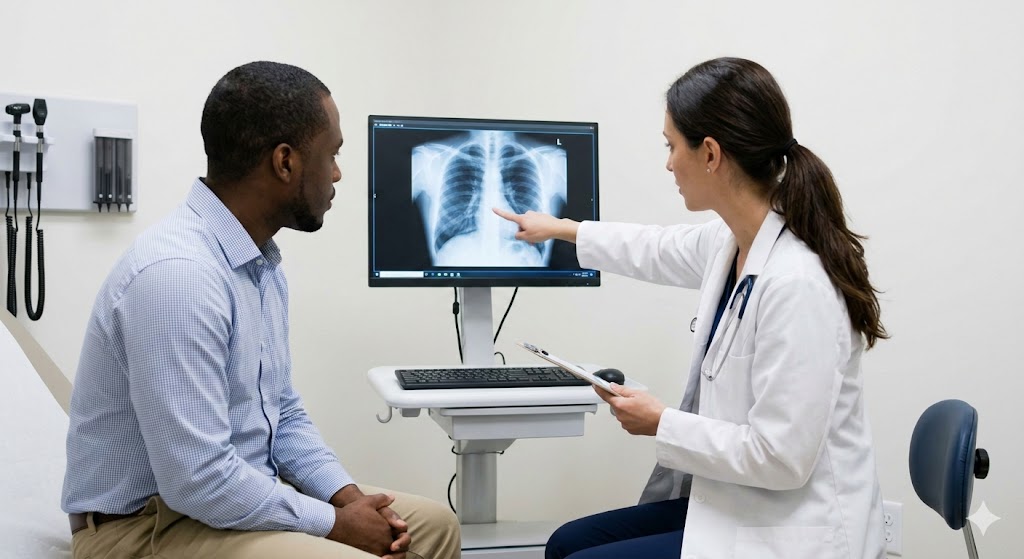
How X-Ray Services Help Doctors Make Fast Diagnoses
In healthcare, timing can be the difference between a minor concern and a major medical emergency. When symptoms appear—whether it’s sudden pain, shortness of breath, or an unexplained injury—doctors need answers quickly. This is where X-ray services step in as one of the most powerful diagnostic tools in modern medicine. For patients seeking X-ray services…What Are Mammogram Services And What Do They Include?
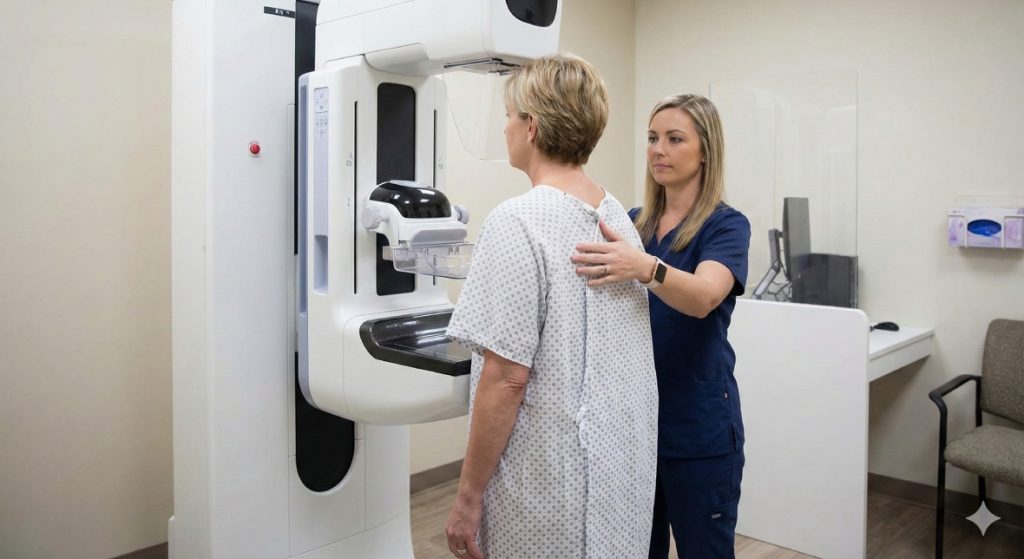
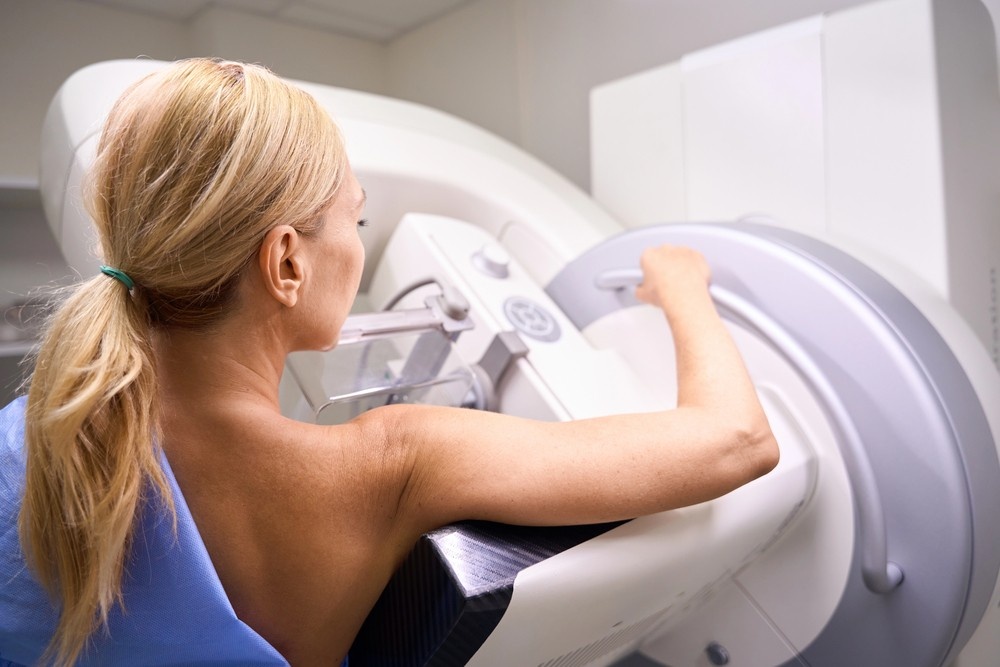
When it comes to protecting your long-term health, few screenings are as powerful—or as misunderstood—as a mammogram. Mammogram services are not just routine medical appointments; they are proactive tools that help detect breast changes long before symptoms appear. For women in Houston and Shenandoah, access to high-quality mammogram services can mean the difference between early…What Makes an Ultrasound Affordable Without Sacrificing Accuracy?
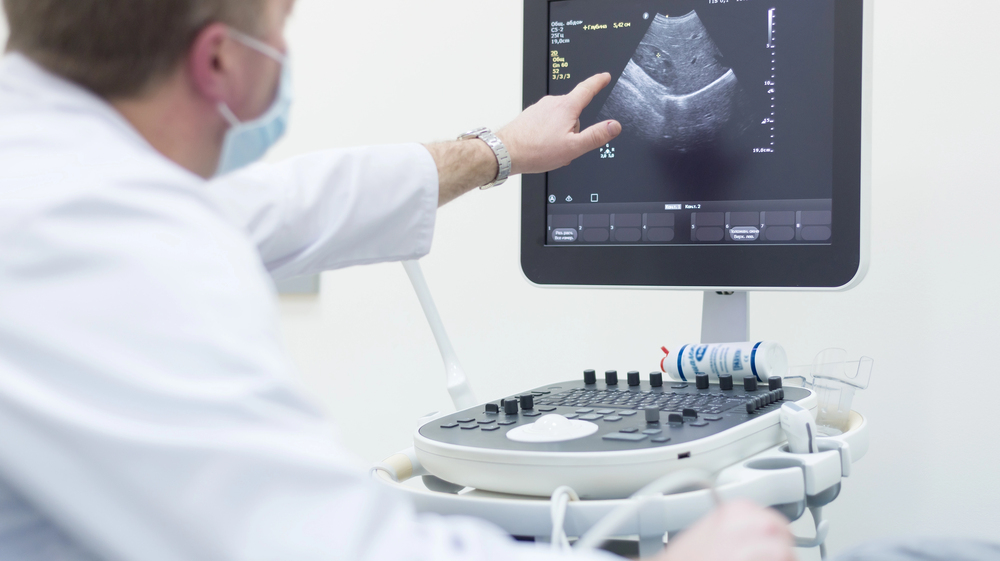
When patients hear that an ultrasound is “affordable,” the word often triggers doubt. In a healthcare system where prices vary wildly, many people assume lower cost must mean lower quality. After all, we’ve been trained to believe that better care always costs more. But diagnostic imaging doesn’t work that way. Ultrasound accuracy isn’t determined by…


Contact Us: We’re Here to Help!
We’d love to hear from you! Whether you have questions about our services, need more information on our diagnostic and pain management options, or would like to schedule an appointment, our friendly and professional team is here to assist you every step of the way. We are dedicated to providing you with the best care and support, and we are happy to address any concerns or inquiries you may have.