How Often Women Should Get A Mammogram For Early Detection
March 18, 2026
Early detection is one of the most effective ways to reduce the impact of breast cancer. Mammograms, specialized X-ray exams of the breast, are an important tool in identifying breast cancer before symptoms appear. But how often should women get a mammogram?
This guide explains the recommended schedules, the factors that influence screening frequency, and the benefits of regular breast imaging.
Understanding Mammograms
A mammogram is a medical imaging procedure that uses low-dose X-rays to examine breast tissue. It helps detect abnormalities such as lumps, calcifications, or changes in breast tissue that may not be noticeable during a physical exam. Mammograms are generally recommended for women because early detection significantly improves treatment outcomes.
Why Early Detection Matters
Breast cancer detected at an early stage is often easier to treat and can result in better survival rates. Screening mammograms can identify tumors before they grow large or spread to other areas of the body. While no screening method guarantees absolute prevention, regular mammograms increase the chances of catching cancer early.
General Screening Recommendations
Different health organizations provide guidance on when and how often women should receive mammograms. While recommendations can vary, the following is widely accepted for average-risk women:
- Women Aged 40–49: Screening may begin based on personal risk factors and physician advice. Some guidelines suggest starting annual mammograms at age 40.
- Women Aged 50–74: Mammograms are typically recommended every 1–2 years. Regular screenings in this age group have shown to significantly reduce mortality from breast cancer.
- Women Over 75: Screening decisions are individualized. Factors such as overall health, life expectancy, and previous screening results influence whether continued mammograms are beneficial.
Balancing Frequency and Risk
The recommended interval for mammograms balances the need to detect cancer early with the potential downsides of frequent imaging, such as false positives or unnecessary follow-up procedures. Discussing personal risk factors, including family history, genetic predispositions, and previous breast conditions, helps determine the best schedule for each woman.
Factors That May Change Screening Frequency
Not all women fall into the “average-risk” category. Certain factors can make earlier or more frequent screenings advisable:
- Family History of Breast Cancer
Women with close relatives who have had breast cancer may need to begin mammograms earlier than the standard guidelines. - Genetic Mutations
Genetic testing for BRCA1, BRCA2, or other mutations linked to breast cancer can influence screening schedules. Women carrying these mutations often begin annual mammograms in their 30s. - Previous Breast Conditions
Women with a history of atypical hyperplasia, ductal carcinoma in situ (DCIS), or other breast abnormalities may require closer monitoring. - Lifestyle and Health Factors
Factors like obesity, alcohol consumption, and hormonal therapy use may slightly increase risk and influence screening decisions.
By understanding these factors, women can work with their healthcare providers to create a personalized mammogram schedule that balances early detection with minimizing unnecessary procedures.
Types of Mammograms
Different types of mammograms may be used depending on age, breast density, and risk factors:
- Standard (2D) Mammogram: Traditional X-ray images of the breast, usually sufficient for routine screenings.
- Digital Mammogram: Offers enhanced image quality and easier storage. Often preferred for women with dense breast tissue.
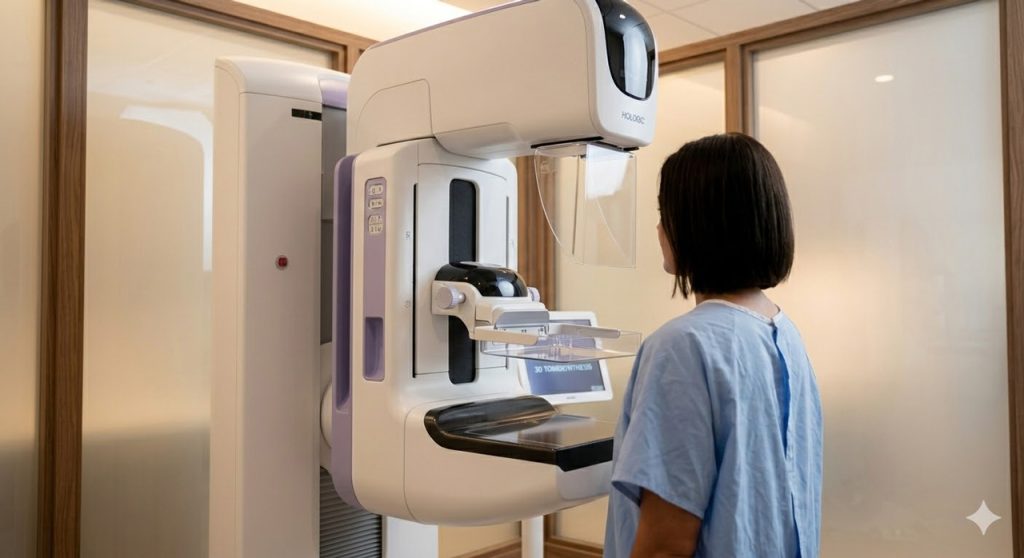
- 3D Mammogram (Tomosynthesis): Creates layered images of the breast, improving detection accuracy and reducing the chance of false positives.
Choosing the Right Mammogram
Healthcare providers at facilities like NextGen Diagnostic Imaging help determine the most suitable type of mammogram. Factors such as age, breast density, and personal risk history guide the decision, ensuring that the screening is both effective and efficient.
What to Expect During a Mammogram
For first-time patients or those unfamiliar with mammography, understanding the procedure can help reduce anxiety:
- Preparation: No special preparation is required, but it is advised to avoid deodorants or lotions on the day of the exam.
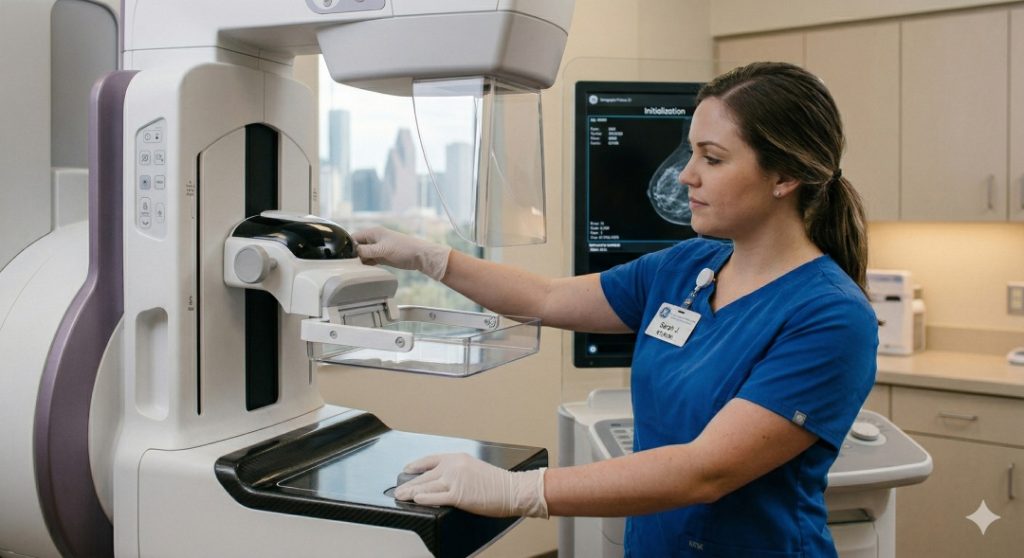
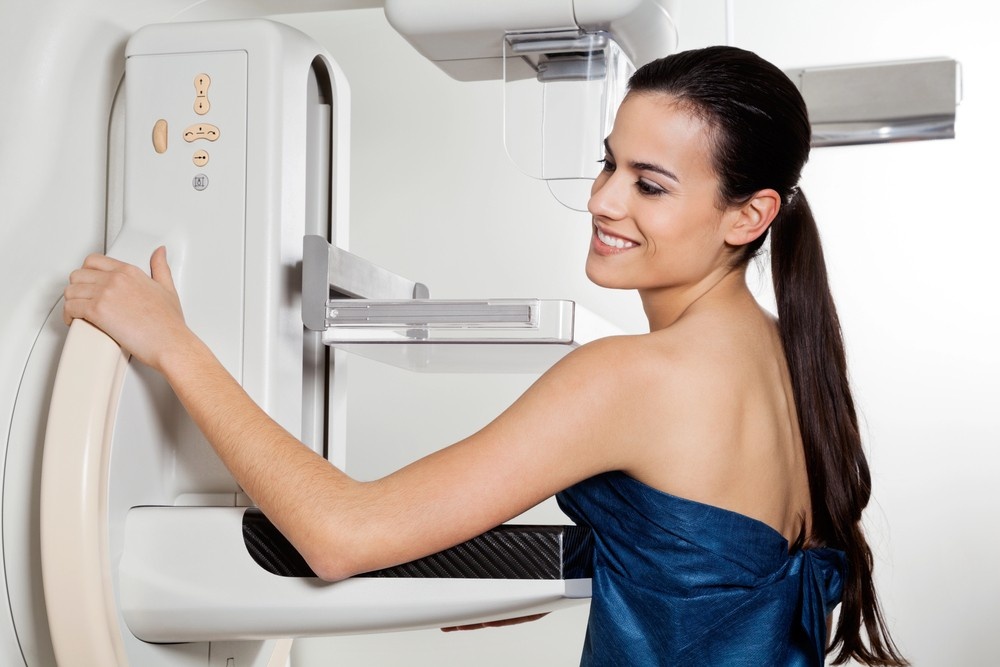
- Positioning: A technologist will position the breast on the imaging plate and gently compress it to spread tissue evenly for clear imaging.
- Imaging: Typically, two views per breast are taken. The procedure takes around 15–30 minutes.
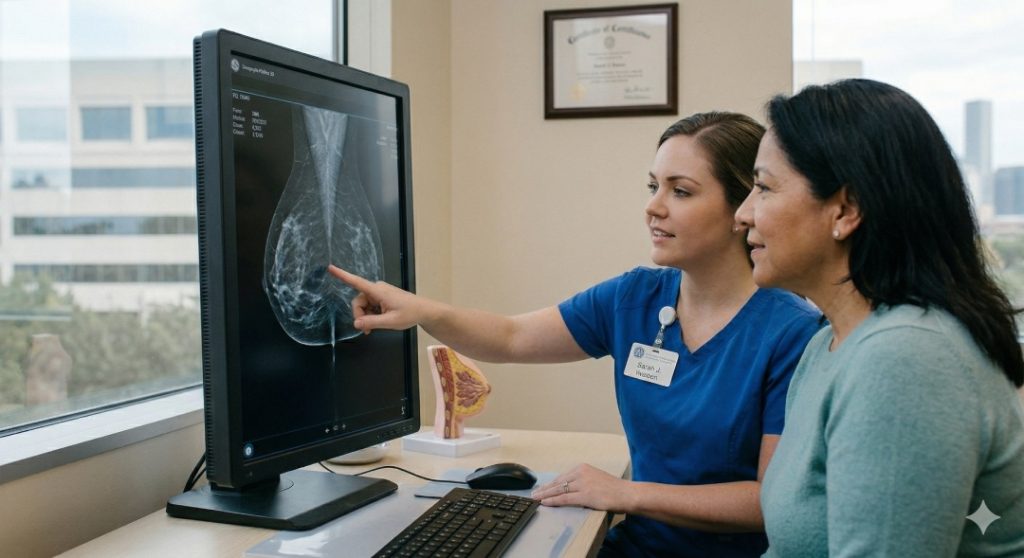
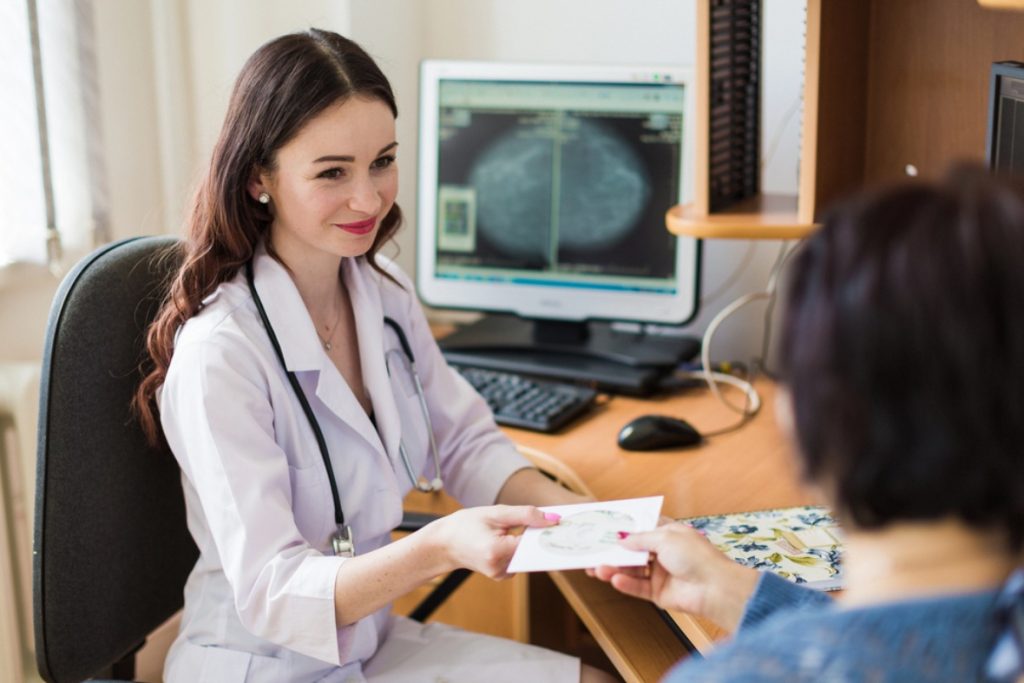
- Results: Radiologists review the images and report any findings. Most screenings come back normal, but any irregularities require further evaluation.
While mammograms may cause slight discomfort, the procedure is brief, non-invasive, and highly beneficial for early detection.
Benefits of Regular Mammograms
Regular mammograms offer multiple benefits:
- Early Detection of Cancer: Identifies cancer before it causes symptoms.
- Improved Treatment Outcomes: Smaller, early-stage tumors are often more treatable and may require less aggressive treatment.
- Peace of Mind: Routine screenings reassure women about their breast health.
- Data Tracking: Regular mammograms allow for comparison over time, helping detect subtle changes in breast tissue.
By staying consistent with mammogram schedules, women can maintain proactive control over their breast health.
Addressing Common Concerns
Some women avoid mammograms due to common misconceptions or worries:
- Radiation Exposure: Modern mammograms use very low doses of radiation, comparable to everyday environmental exposure, and are considered safe.
- Discomfort: While compression may cause brief discomfort, it is temporary and necessary for accurate imaging.
- False Positives: Occasionally, mammograms may suggest abnormalities that turn out to be benign. Follow-up imaging or biopsies clarify results.
Healthcare professionals at NextGen Diagnostic Imaging provide guidance, ensuring that patients understand the benefits, risks, and procedures, making the experience as comfortable and informative as possible.
Tips for Maintaining Breast Health
Mammograms are one part of a broader strategy for breast health. Women should also consider:
- Monthly Self-Exams: Familiarity with your own breast tissue helps notice any unusual changes.
- Healthy Lifestyle: Maintaining a balanced diet, regular exercise, and limiting alcohol can reduce risk factors.
- Regular Checkups: Routine visits to your healthcare provider ensure a comprehensive approach to preventive care.
Combining mammograms with these practices provides a well-rounded approach to early detection and overall breast health.
Why Choose NextGen Diagnostic Imaging for Cheap Mammograms Near Larchmont
When it comes to your health, early detection is everything. At NextGen Diagnostic Imaging, we make it easy for women in Larchmont and surrounding Houston neighborhoods to access affordable, high-quality mammograms without compromising on care.
Affordable Screening Without Sacrificing Quality
Many women delay or skip mammograms because of cost concerns. At NextGen Diagnostic Imaging, we believe preventive care should be accessible. That’s why we offer cheap mammograms in Houston with pricing designed to fit your budget, helping you prioritize your breast health without financial stress.
State-of-the-Art Imaging Technology
Affordable doesn’t mean outdated. Our clinic uses the latest imaging technology to ensure accurate, clear, and reliable mammogram results. From 2D to advanced 3D mammography, our team provides detailed screening to catch potential issues early, giving you peace of mind.
Experienced and Compassionate Staff
Your comfort matters. Our certified technologists and radiologists specialize in breast imaging and are dedicated to providing a friendly, professional experience. From answering questions to guiding you through each step of the procedure, we make sure your visit is smooth and reassuring.
Convenient Location in Larchmont, Houston
Located in the heart of Larchmont, our imaging center is easy to reach from nearby neighborhoods. Whether you’re scheduling a routine mammogram or follow-up appointment, our location makes access simple and stress-free.
Quick and Reliable Results
Waiting for results can be stressful. At NextGen Diagnostic Imaging, we prioritize efficiency without compromising accuracy. Most patients receive their mammogram results promptly, allowing timely follow-up care if needed.
Take Charge of Your Health Today
Don’t wait until it’s too late. Choose NextGen Diagnostic Imaging for cheap mammograms in Houston near the Larchmont area and take the first step toward proactive breast health. Early detection saves lives, and we’re here to make it accessible, reliable, and comfortable for you.
📞 Call us today to schedule your mammogram and experience quality care at an affordable price!
NextGen Diagnostic Imaging Serving the Larchmont Community and Beyond in Houston
NextGen Diagnostic Imaging is dedicated to serving the diverse needs of the local community of Houston, including individuals residing in neighborhoods like Larchmont. With its convenient location near landmarks such as Iglesia Cristo Viene and major intersections like Beverly Hill St. and E Greenridge Dr. (coordinates: 29.730193823321166, -95.48863168507178), we offer cheap mammograms Houston services.
Get Cheap Mammograms Services in Larchmont Now
Navigate from Larchmont to NextGen Diagnostic Imaging Now
Conclusion
Mammograms are a critical tool for early breast cancer detection. While the recommended frequency varies by age and risk factors, most women benefit from routine screenings every 1–2 years starting in their 40s or earlier for those at higher risk.
By working with healthcare providers, understanding personal risk, and utilizing services like NextGen Diagnostic Imaging, women can make informed decisions that support long-term health.
Staying proactive with mammograms and general breast care not only improves outcomes but also provides confidence and peace of mind, ensuring women take an active role in protecting their health.
FAQs
1. At what age should women start getting mammograms?
Most guidelines recommend that women at average risk begin routine mammograms around age 40. Women with higher risk factors, such as a family history of breast cancer or genetic mutations, may need to start earlier. It’s best to discuss your personal risk with a healthcare provider.
2. How often should women get a mammogram?
For women at average risk, mammograms are generally recommended every 1–2 years between ages 40 and 74. Women with higher risk factors may require more frequent screenings. The schedule should be personalized based on age, risk, and health history.
3. What factors might change how often I need a mammogram?
Factors that may influence screening frequency include family history of breast cancer, genetic mutations like BRCA1 or BRCA2, previous breast conditions, dense breast tissue, and lifestyle or hormonal factors. Your doctor can help determine a screening plan tailored to you.
4. What types of mammograms are available, and how do I know which one is right?
Mammograms can be 2D (standard), digital, or 3D (tomosynthesis). The right type depends on age, breast density, and risk factors. Facilities like NextGen Diagnostic Imaging guide patients to the most appropriate imaging option for accurate detection.
5. Are mammograms safe, and do they cause discomfort?
Mammograms use very low doses of radiation and are considered safe. While breast compression may cause brief discomfort, it is necessary for clear imaging. The procedure is quick, non-invasive, and plays a key role in early detection of breast cancer.

NextGen Scans
Be part of a team driven by compassion and a commitment to putting patients first. At NextGen Scans, the care you provide has a meaningful impact every single day.
or Call us at
(346) 487-7037
Do MRI Services Require Fasting Before The Scan
Magnetic Resonance Imaging (MRI) has become an essential tool in modern medical diagnostics. It provides detailed images of internal structures, helping healthcare providers detect and monitor a wide range of conditions. However, patients often have questions about preparing for an MRI, especially regarding fasting. This guide will explain whether fasting is required, why it may…How Accurate Are MRI Services In Medical Diagnosis
Medical imaging has changed how doctors detect and monitor many health conditions. One of the most widely used imaging tools is the Magnetic Resonance Imaging (MRI). MRI services help doctors look inside the body without surgery, using detailed images of organs, tissues, and structures. When talking about diagnostic imaging, many patients ask an important question:…How 3D Mammograms Work Compared to Traditional 2D
Breast imaging has come a long way in the past few decades. For decades, traditional 2D mammograms have been the standard for breast cancer screening. Recently, however, 3D mammograms, also known as digital breast tomosynthesis, have been increasingly used in diagnostic imaging. Understanding how these two imaging techniques work, their differences, and what they mean…

Contact Us: We’re Here to Help!
We’d love to hear from you! Whether you have questions about our services, need more information on our diagnostic and pain management options, or would like to schedule an appointment, our friendly and professional team is here to assist you every step of the way. We are dedicated to providing you with the best care and support, and we are happy to address any concerns or inquiries you may have.