What Is The Purpose Of Imaging?
September 20, 2025
When you hear the word imaging, you probably picture X-rays or MRIs, right? But the truth is, imaging is much broader than that—it’s one of the pillars of modern medicine. From catching broken bones in an accident to spotting cancer in its earliest stages, medical imaging allows doctors to see what the human eye simply can’t.
At Nextgen Diagnostic Imaging, serving the Shenandoah community, imaging is about more than pictures—it’s about answers, direction, and hope. Imagine trying to solve a puzzle in the dark. Imaging is like switching on the light, revealing missing pieces and helping doctors see the full picture. That’s the true purpose of imaging: to turn uncertainty into clarity.
Understanding Medical Imaging
The Role of Imaging in Modern Healthcare
Healthcare without imaging would feel a lot like trying to drive at night with no headlights. You might get somewhere, but the risks are high, and you can easily miss something critical. Imaging allows doctors to “see” beneath the surface, making better decisions for treatment and prevention. It has become the silent partner of nearly every specialty in medicine, from cardiology to orthopedics.
With imaging, doctors can:
- Confirm or rule out a suspected diagnosis.
- Track the progress of a disease.
- Guide treatment plans more precisely.
Without it, many diagnoses would rely on trial and error, leading to longer recovery times and potentially riskier outcomes.
How Imaging Has Evolved Over Time
The history of imaging is nothing short of fascinating. The first medical X-ray was taken in 1895, and it was nothing more than a blurry outline of a hand. Fast forward to today, and we now have powerful MRI machines that can map brain activity in real time and CT scans that produce detailed 3D images of internal organs within seconds.
It’s like comparing an old flip phone to today’s smartphones—the technology has leaped forward by decades, making healthcare faster, safer, and more reliable.
Why Imaging Matters for Patients
Providing Clarity in Diagnosis
Have you ever had mysterious symptoms that left you worried? Imaging can take away that uncertainty. Instead of endless guessing, imaging provides a clear picture—literally—of what’s happening inside your body. It’s like peeking behind the curtain and finally understanding what’s been hidden.
Reducing the Need for Invasive Procedures
Before imaging, doctors often had to perform exploratory surgeries just to see what was wrong. Today, imaging provides answers without cutting into the body. That means fewer risks, less pain, and faster healing. It’s a win-win for patients and doctors alike.
Types of Imaging Tests
X-Rays
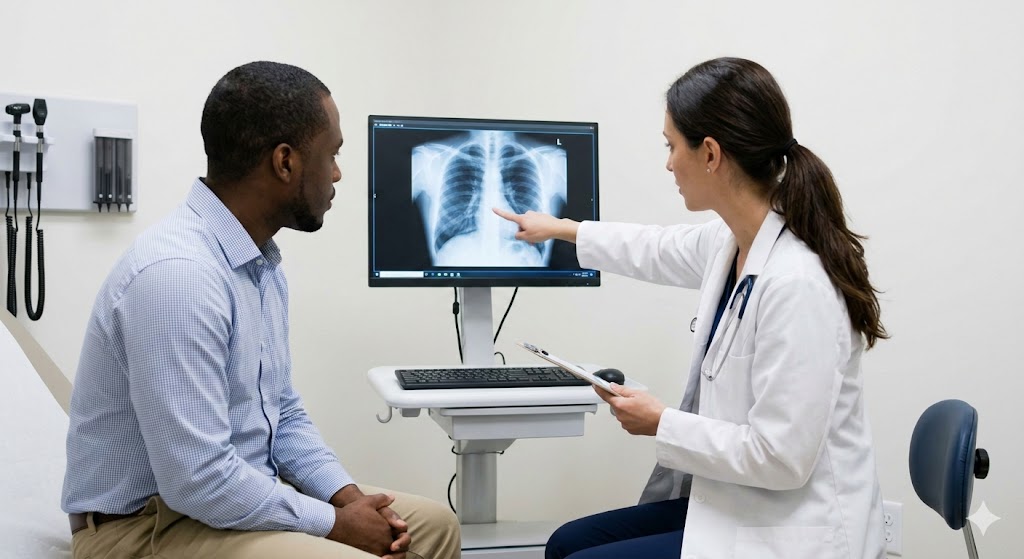
X-rays are the backbone of imaging. They’re quick, cost-effective, and often the first test doctors order when something’s wrong.
When X-Rays Are Used
- Detecting bone fractures
- Identifying lung infections
- Checking for dental problems
- Spotting blockages in the digestive tract
Think of X-rays as the “snapshot camera” of medicine—simple but powerful.
Ultrasound
Ultrasound doesn’t use radiation. Instead, it relies on sound waves to create moving images of the inside of the body.
Common Uses of Ultrasound
- Monitoring pregnancies and fetal development
- Examining the thyroid, liver, or kidneys
- Guiding doctors during biopsies or needle insertions
- Checking blood flow through arteries and veins
It’s safe, non-invasive, and often the first choice for sensitive areas of the body.
CT Scans
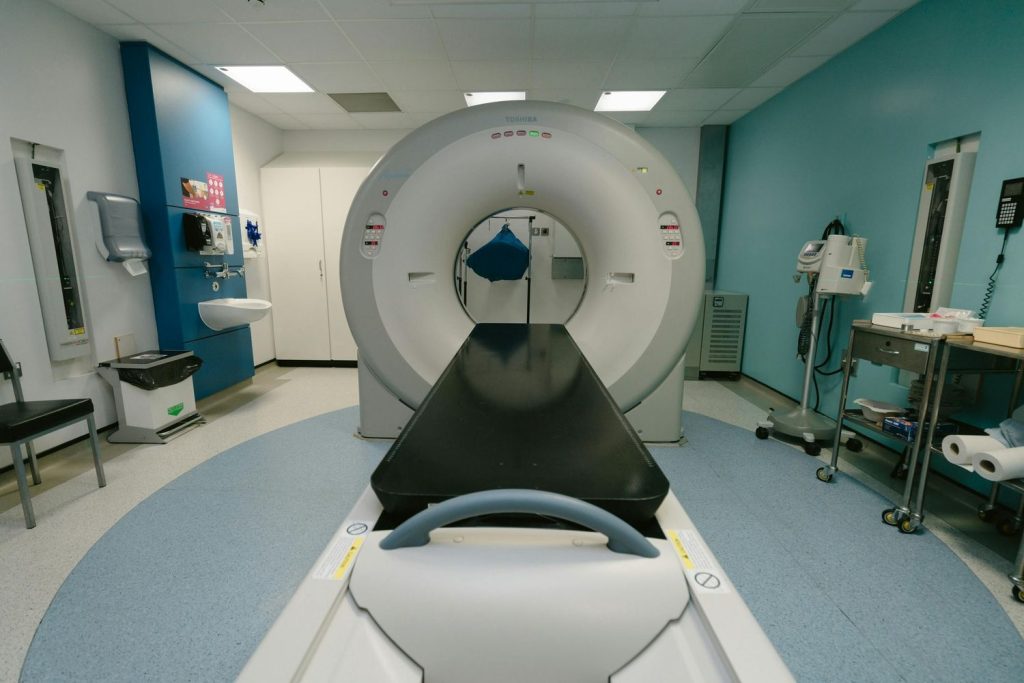
CT (Computed Tomography) scans are like upgraded X-rays. They take multiple images and combine them into a detailed 3D model of your body.
Benefits of CT Scans
- Essential in emergencies like strokes or accidents
- Provides detailed cross-sectional images
- Helps locate tumors, internal bleeding, or organ damage
If X-rays are like black-and-white snapshots, CT scans are like high-definition movies—clear, detailed, and fast.
MRI
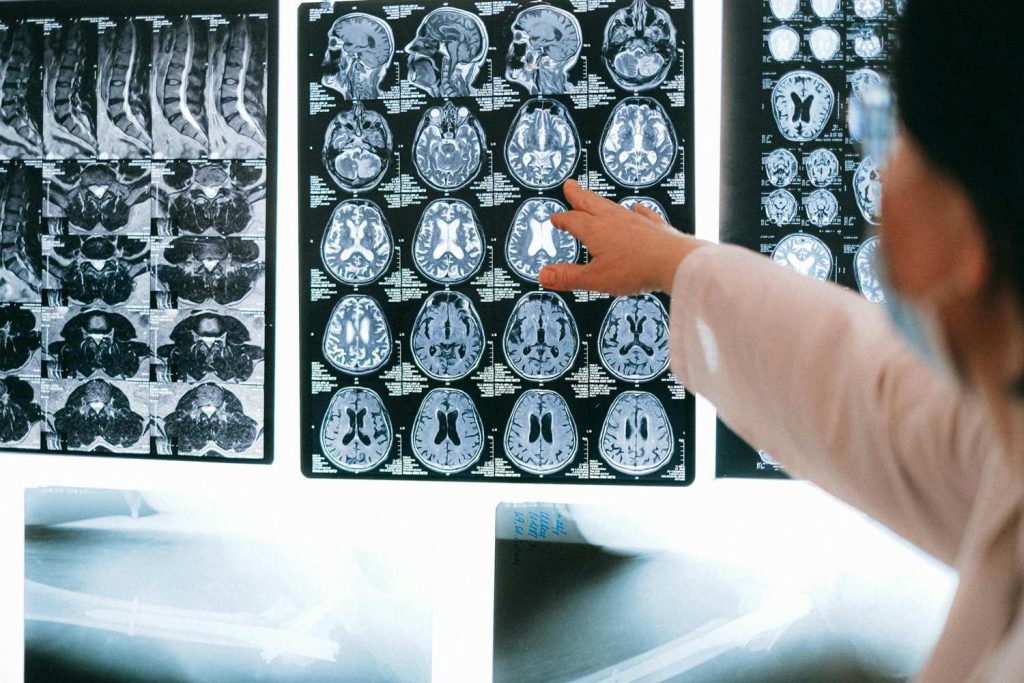
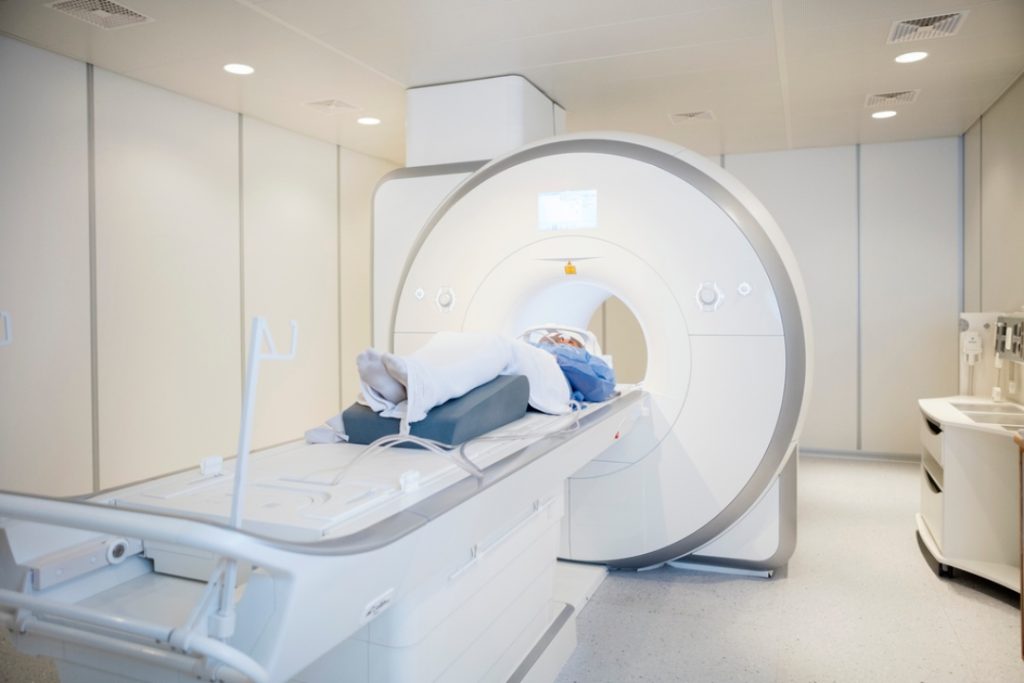
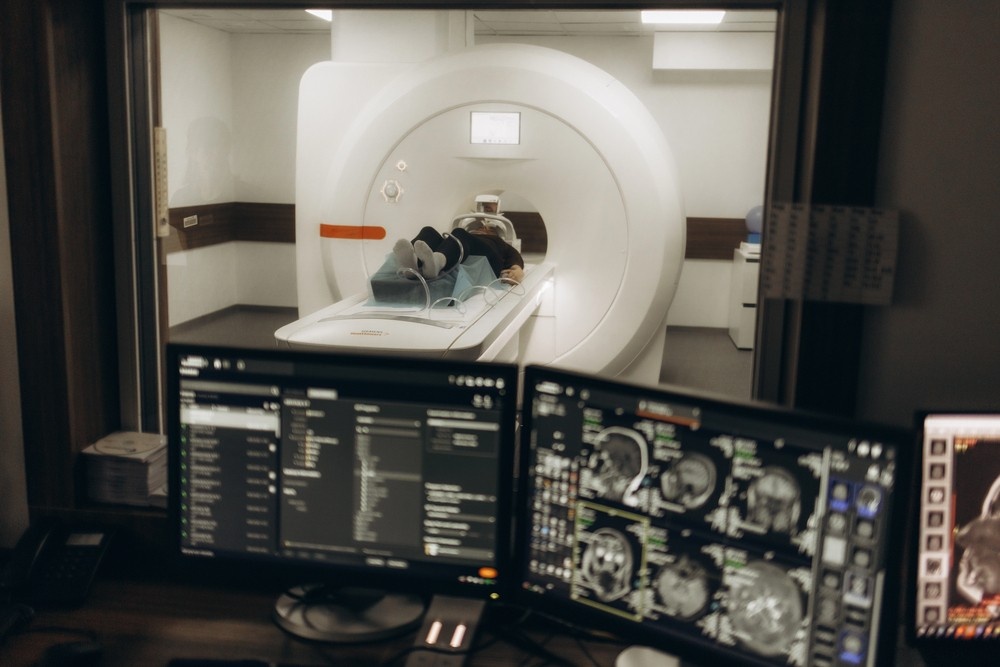
MRI (Magnetic Resonance Imaging) takes imaging a step further by using magnetic fields and radio waves. Unlike X-rays or CT scans, there’s no radiation exposure.
Advantages of MRI
- Produces crystal-clear images of soft tissues
- Ideal for brain, spine, and joint imaging
- Detects conditions that other tests may miss
Imagine zooming in on a painting to see every brushstroke—that’s what MRI does for your body.
PET Scans
PET (Positron Emission Tomography) scans don’t just show structure; they reveal function. They highlight how tissues and organs are working on a chemical level.
Why PET Scans Are Important
- Detect cancer activity even before tumors appear on CT or MRI
- Monitor how well treatments are working
- Show brain activity for conditions like Alzheimer’s disease
It’s like watching the body in action, not just still images.
The Purpose of Imaging in Different Conditions
Imaging for Bone and Joint Issues
Whether it’s a sprained ankle, arthritis, or a sports injury, imaging reveals what’s happening beneath the swelling. It helps orthopedic doctors decide whether you need rest, physical therapy, or surgery.
Imaging for Heart and Lung Health
Heart and lung diseases often hide until they become severe. Imaging helps detect:
- Blockages in arteries
- Lung infections like pneumonia
- Fluid around the heart or lungs
- Heart valve problems
Early detection can literally be the difference between life and death.
Imaging for Neurological Conditions
When it comes to the brain, every second counts. Imaging allows doctors to detect strokes, tumors, and neurological disorders quickly. An MRI can reveal brain changes that no other test can.
Imaging in Cancer Detection
Cancer is often silent in its early stages, but imaging can reveal tumors before symptoms appear. PET scans, CT scans, and MRIs play critical roles in early detection, staging, and tracking progress during treatment.
Imaging at Nextgen Diagnostic Imaging
Serving the Shenandoah Community
Living in Shenandoah means having access to high-quality care right in your neighborhood. Nextgen Diagnostic Imaging ensures patients don’t need to travel far for cutting-edge imaging services.
Patient-Focused Approach
It’s not just about machines; it’s about people. At Nextgen, patients are treated with compassion and respect. Staff take the time to explain procedures, ease worries, and make the experience as stress-free as possible.
Benefits of Choosing Nextgen Diagnostic Imaging
Advanced Technology and Accuracy
Nextgen invests in the latest imaging technology, ensuring sharper images and faster results. That means fewer repeat scans and greater confidence in diagnoses.
Comfort and Care for Patients
From cozy waiting areas to friendly technicians, patient comfort is top priority. The environment is designed to reduce stress and help patients feel at ease.
Convenient and Accessible Services
With its location in Shenandoah, Nextgen makes imaging services easy to access. Flexible scheduling and efficient turnaround times mean patients spend less time waiting and more time focusing on recovery.
Preparing for an Imaging Test
What Patients Should Know
Preparation varies depending on the type of scan. Some require fasting, others ask you to avoid lotions or deodorants. At Nextgen, patients receive clear instructions ahead of time to avoid confusion.
Tips for a Smooth Experience
- Ask questions if you’re unsure.
- Arrive a little early to relax before the test.
- Bring previous records to help doctors compare results.
- Wear loose clothing for comfort.
Preparation is half the battle—going in informed makes the whole process easier.
Common Myths About Imaging
Myth 1: Imaging is Always Unsafe
The truth? Imaging is remarkably safe. Radiation doses in X-rays and CT scans are carefully controlled, and alternatives like MRI and ultrasound involve zero radiation.
Myth 2: Imaging Tests Are Painful
Most imaging tests are painless. You may need to hold still or feel mild discomfort, but there’s no real pain involved.
Myth 3: Imaging is Only for Serious Illnesses
Not at all. Imaging is used for everything from routine checkups to preventative care. It’s not just for emergencies—it’s for keeping track of your overall health.
The Future of Imaging
Artificial Intelligence in Imaging
AI is the future of diagnostics. With its ability to detect patterns that humans might miss, AI is already helping radiologists spot early signs of disease faster and more accurately.
Improving Speed and Accuracy
Future machines will likely produce instant results, meaning patients could get answers in real time. This not only saves time but also helps doctors act sooner.
NextGen Diagnostic Imaging Serving the Shenandoah Community and Beyond in Houston
NextGen Diagnostic Imaging is dedicated to serving the diverse needs of the local community of Houston, including individuals residing in neighborhoods like Shenandoah. With its convenient location near landmarks such as the Burnett Bayland Park and major intersections like Bellaire Blvd. and Rookin St. (coordinates: 29.703214175253763, -95.49898672337002), we offer imaging centers houston services.
Get Imaging Centers Services At Shenandoah Now
Navigate from Shenandoah to NextGen Diagnostic Imaging Now
Conclusion
Medical imaging is the quiet hero of modern healthcare. It brings clarity to uncertainty, reduces risks, and often saves lives. For residents of Shenandoah, Nextgen Diagnostic Imaging offers advanced, patient-focused imaging services that combine compassion with cutting-edge technology. Whether you’re dealing with an injury, a chronic illness, or simply seeking peace of mind, imaging provides the answers you need.
FAQs
Q1: Is medical imaging safe for children?
Yes, pediatric imaging uses the lowest effective dose of radiation and often relies on radiation-free techniques like ultrasound and MRI.
Q2: How long do imaging tests take?
It varies—X-rays take just minutes, ultrasounds may last 20–30 minutes, and MRIs can run up to an hour depending on the area being scanned.
Q3: Do I need a referral for imaging at Nextgen Diagnostic Imaging?
In most cases, yes. A referral ensures you’re getting the right test for your specific health concern.
Q4: Can imaging detect diseases before symptoms appear?
Definitely. Imaging often spots conditions like cancer or heart disease long before symptoms develop, allowing for earlier and more effective treatment.
Q5: What should I bring to my imaging appointment?
Bring your ID, insurance information, doctor’s referral, and any prior imaging results. These help your care team provide the best diagnosis.

NextGen Scans
Be part of a team driven by compassion and a commitment to putting patients first. At NextGen Scans, the care you provide has a meaningful impact every single day.
or Call us at
(346) 487-7037
How Often Women Should Get A Mammogram For Early Detection
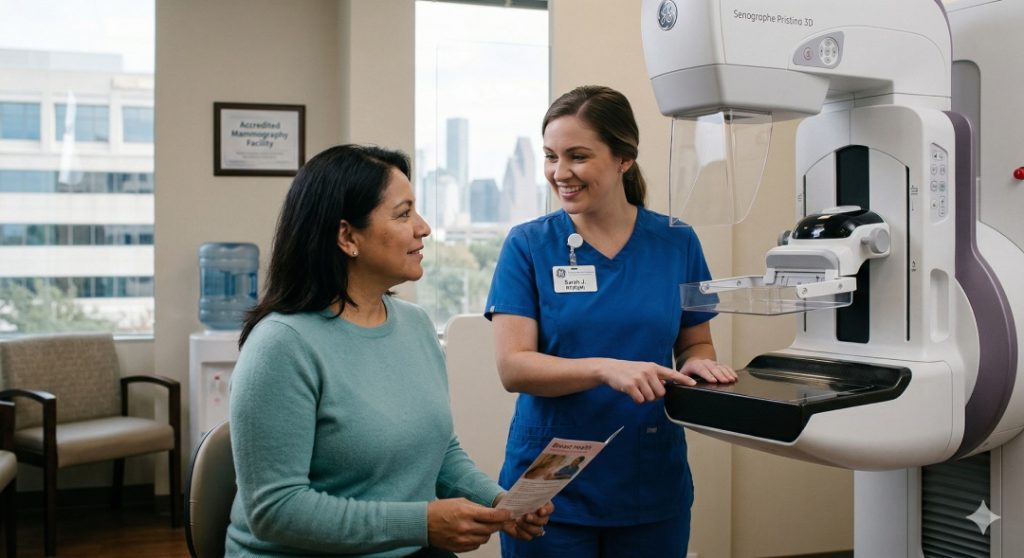
Early detection is one of the most effective ways to reduce the impact of breast cancer. Mammograms, specialized X-ray exams of the breast, are an important tool in identifying breast cancer before symptoms appear. But how often should women get a mammogram? This guide explains the recommended schedules, the factors that influence screening frequency, and…Do MRI Services Require Fasting Before The Scan
Magnetic Resonance Imaging (MRI) has become an essential tool in modern medical diagnostics. It provides detailed images of internal structures, helping healthcare providers detect and monitor a wide range of conditions. However, patients often have questions about preparing for an MRI, especially regarding fasting. This guide will explain whether fasting is required, why it may…How Accurate Are MRI Services In Medical Diagnosis
Medical imaging has changed how doctors detect and monitor many health conditions. One of the most widely used imaging tools is the Magnetic Resonance Imaging (MRI). MRI services help doctors look inside the body without surgery, using detailed images of organs, tissues, and structures. When talking about diagnostic imaging, many patients ask an important question:…

Contact Us: We’re Here to Help!
We’d love to hear from you! Whether you have questions about our services, need more information on our diagnostic and pain management options, or would like to schedule an appointment, our friendly and professional team is here to assist you every step of the way. We are dedicated to providing you with the best care and support, and we are happy to address any concerns or inquiries you may have.