Can MRI Services Detect Early Joint Damage?
January 17, 2026
Understanding Joint Damage and Its Impact
Joints are the hinges of our bodies, silently supporting every step, twist, and stretch. When they start to wear down, even subtly, daily life can become uncomfortable. Early joint damage often happens without obvious pain, which makes it easy to overlook. A small tear in cartilage or minor inflammation can quietly worsen over months or years. Ignoring these early signs may lead to long-term problems, reduced mobility, or chronic pain.
Detecting joint damage early isn’t just about preventing discomfort—it’s about maintaining independence, staying active, and avoiding serious surgeries down the line. Modern imaging technology, particularly MRI, plays a critical role in identifying these issues before they become severe.
Common Causes of Joint Degeneration
Joint degeneration happens for many reasons. Aging naturally reduces cartilage resilience, making joints more vulnerable to wear and tear. Injuries, even minor ones, can start a cascade of joint damage that may only become apparent later. Repetitive stress from sports, physically demanding jobs, or even daily habits can gradually break down cartilage and strain ligaments.
Autoimmune conditions like rheumatoid arthritis also accelerate joint destruction by causing the body to attack its own tissues. Genetics and lifestyle factors, such as poor diet, lack of exercise, or obesity, can further increase the risk.
Symptoms of Early Joint Problems
Early joint problems can be subtle. People often notice stiffness after waking up, mild swelling, or a twinge during certain movements. Pain may come and go, sometimes only after strenuous activity. These early signals might seem insignificant, but they often indicate underlying tissue damage.
Catching these signs early allows doctors to recommend treatments that slow progression and prevent more serious damage.

How MRI Technology Works
The Science Behind MRI Imaging
MRI, short for Magnetic Resonance Imaging, uses strong magnets and radio waves to produce detailed images of the body’s internal structures.
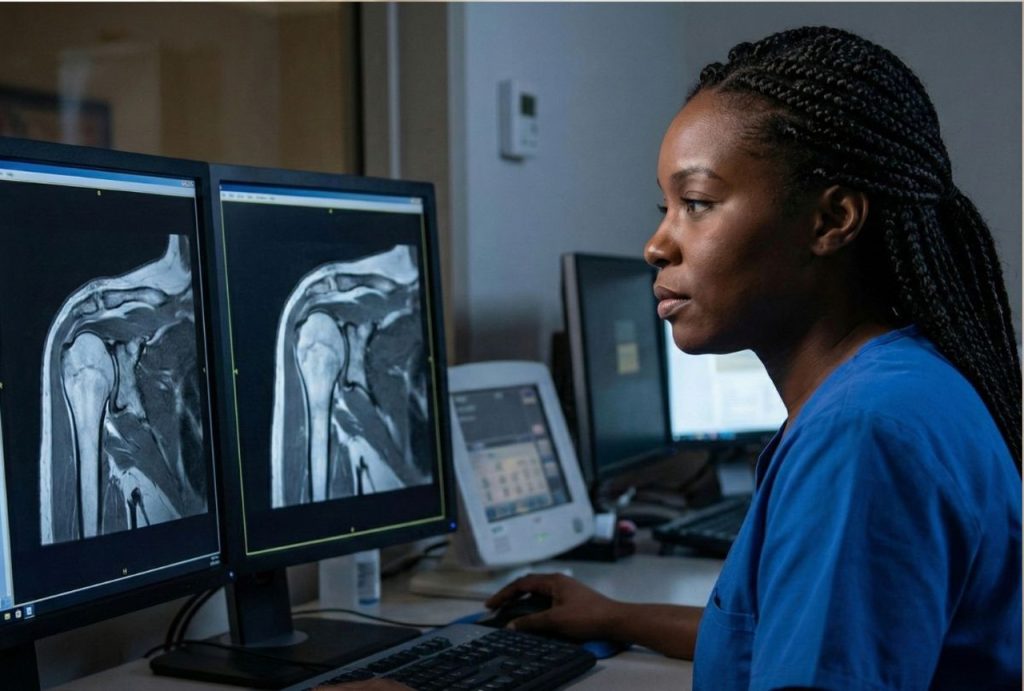
Unlike X-rays, which mainly show bones, MRI captures soft tissues such as cartilage, ligaments, tendons, and even small pockets of fluid. This makes it invaluable for diagnosing early joint damage, which often begins in soft tissues long before bones show any changes.
MRI works by aligning hydrogen atoms in the body using magnetic fields. When radio waves are applied, these atoms emit signals that are captured and transformed into high-resolution images. The resulting scan reveals tissue structure, composition, and even subtle changes that indicate early degeneration.
Why MRI Stands Out Over Other Imaging Techniques
Other imaging methods, like X-rays and ultrasounds, have their limitations. X-rays are excellent for detecting bone fractures but miss early cartilage damage and soft tissue injuries. Ultrasound can detect inflammation or fluid buildup but struggles to see deeper tissue structures.
MRI, in contrast, gives a complete picture of the joint, showing both bones and soft tissues in high detail. This makes it the go-to method for early detection of joint damage.
Detecting Early Joint Damage with MRI
Identifying Cartilage Wear and Tear
Cartilage acts as a cushion between bones. When it starts to thin or tear, the joint loses its smooth movement, often leading to pain and stiffness. MRI scans can detect these changes long before symptoms become severe.
Tiny fissures, thinning areas, or irregular cartilage surfaces show up clearly, allowing doctors to intervene early with therapy, lifestyle changes, or medications that preserve joint function.
Spotting Inflammation and Fluid Buildup
Early joint damage often comes with subtle swelling or excess fluid. MRI detects these changes with incredible sensitivity. This is particularly helpful for conditions like rheumatoid arthritis, where inflammation might appear before patients experience significant discomfort.
By spotting these early signs, doctors can prescribe treatments that reduce inflammation and prevent further damage.
MRI’s Role in Tracking Ligament and Tendon Health
Ligaments and tendons stabilize and move joints. Minor tears or fraying in these tissues can lead to chronic issues if left untreated. MRI reveals even small irregularities, guiding targeted interventions like physiotherapy or surgical repair before the injury becomes debilitating.
NextGen Diagnostic Imaging: Advanced MRI Solutions
State-of-the-Art Equipment
At NextGen Diagnostic Imaging, advanced MRI machines offer unparalleled clarity. High-resolution scanners capture even the smallest tears and subtle cartilage changes, giving physicians detailed insights into joint health. Specialized coils ensure every part of the joint is visualized, reducing the risk of missed injuries.
Expert Radiologists and Specialists
Equipment alone isn’t enough. At NextGen, experienced radiologists analyze each scan meticulously. Their expertise ensures early signs of damage are detected, helping patients get timely treatment and avoiding long-term complications. Partnering with a facility like NextGen provides patients peace of mind, knowing their joint health is in capable hands.
Benefits of Early Detection
Preventing Long-Term Joint Damage
Detecting joint issues early allows patients to take action before severe damage occurs. Interventions might include targeted physical therapy, lifestyle adjustments, or medication to reduce inflammation. Early care helps maintain joint function and can prevent surgeries like joint replacement later in life.
Tailoring Personalized Treatment Plans
MRI scans offer a detailed map of joint health. Doctors use these images to design customized rehabilitation programs, monitor healing progress, and adjust treatments as needed. Personalized plans are far more effective than generic recommendations, leading to faster recovery and better long-term outcomes.
Comparing MRI to X-Rays and Ultrasounds
Advantages of MRI in Early Diagnosis
MRI excels at revealing hidden joint problems. It shows soft tissue damage, small tears, and early cartilage wear that other methods often miss. It can detect fluid accumulation, subtle inflammation, and ligament fraying, making it the gold standard for diagnosing early joint damage.
Limitations and Considerations
MRI does have some limitations. It can be more expensive and time-consuming than X-rays or ultrasounds. Some patients with certain implants or pacemakers cannot undergo MRI safely. Claustrophobia can also be a concern, but modern MRI machines often feature larger openings and faster scan times to make the process more comfortable. Despite these factors, the detailed insights MRI provides usually outweigh the drawbacks.
Preparing for an MRI Scan
What Patients Should Expect
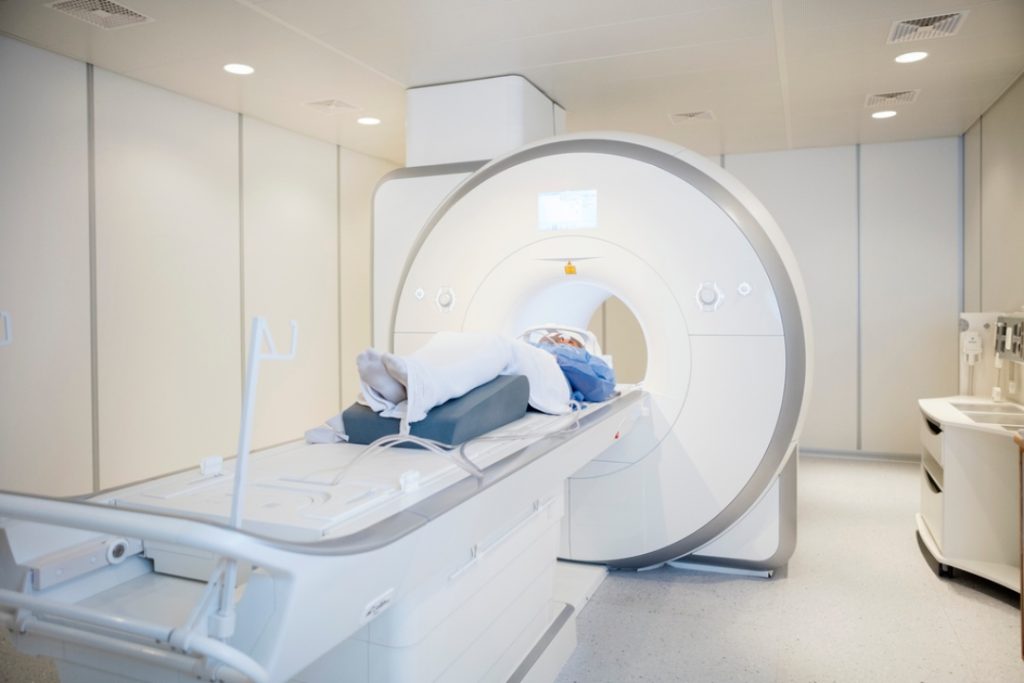
MRI is non-invasive and painless. Patients lie on a movable table that slides into the scanner. The procedure can take anywhere from 30 minutes to over an hour depending on the joint and the level of detail required. It’s important to stay still during the scan to ensure clear images.
Tips for Comfortable and Accurate Imaging
Wearing loose clothing without metal fasteners, removing jewelry, and communicating any anxiety to the MRI staff helps ensure a smooth scan. Some facilities offer headphones, music, or even mild sedatives to help nervous patients stay calm. Following instructions precisely ensures the images captured are accurate and useful for diagnosis.
Common Conditions Detected Early by MRI
Osteoarthritis and Degenerative Joint Disease
Osteoarthritis starts with subtle cartilage loss and joint space narrowing. MRI detects these changes before X-rays would, allowing interventions that slow disease progression and preserve mobility.
Rheumatoid Arthritis and Autoimmune Disorders
Rheumatoid arthritis causes joint inflammation and erosion over time. MRI identifies synovial inflammation, bone erosions, and early tissue changes, allowing doctors to start treatment early and prevent joint destruction.
Sports Injuries and Overuse Damage
Athletes often experience tiny ligament or tendon tears. MRI detects these injuries early, helping prevent chronic damage and allowing athletes to recover safely and return to activity faster.
Cost, Accessibility, and Insurance Insights
Typical MRI Costs for Joint Imaging
MRI costs vary widely, often ranging from $400 to $1,500 per joint without insurance. The price depends on the joint, scan complexity, and location of the facility. More advanced machines or specialized imaging may cost more.
Insurance Coverage and Financial Tips
Most insurance plans cover MRI scans if recommended by a doctor. Pre-authorization may be required, and out-of-pocket costs depend on deductibles and co-pays. Patients can save by choosing in-network facilities, discussing payment plans, or exploring self-pay discounts at advanced imaging centers like NextGen Diagnostic Imaging.
Future Developments in MRI for Joint Health
High-Resolution Imaging and 3D Mapping
New MRI technology allows 3D reconstruction of joints. Surgeons can plan procedures with precision, while physicians monitor subtle changes over time. This advanced imaging is revolutionizing how joint damage is tracked and treated.
AI and Predictive Analytics in Diagnosis
Artificial intelligence is becoming a powerful tool in MRI interpretation. AI can detect tiny changes more quickly, predict disease progression, and assist doctors in crafting individualized treatment plans. These developments promise earlier interventions and better patient outcomes.
NextGen Diagnostic Imaging Serving the Mahatma Gandhi District Community and Beyond in Houston
NextGen Diagnostic Imaging is dedicated to serving the diverse needs of the local community of Houston, including individuals residing in neighborhoods like Mahatma Gandhi District. With its convenient location near landmarks such as the Masjid Salah Ad-Deen and major intersections like Southwest Fwy. & Hillcroft Ave. (coordinates: 29.7212006072987, -95.49898765086479), we offer MRI services Houston services.
Get MRI Services at Mahatma Gandhi District Now
Navigate from Mahatma Gandhi District to NextGen Diagnostic Imaging Now
Transforming Joint Health Through Early MRI Detection
MRI services have transformed joint care, offering unparalleled insight into cartilage, ligaments, tendons, and early inflammation. By detecting damage before symptoms become severe, MRI allows patients to take proactive steps toward recovery and prevention.
Facilities like NextGen Diagnostic Imaging provide state-of-the-art equipment and expert radiologists, ensuring precise scans and accurate diagnoses. Early detection can prevent long-term joint damage, maintain mobility, and improve quality of life.
If you notice stiffness, swelling, or minor discomfort, scheduling an MRI could be the first step toward protecting your joints and staying active.
FAQs
1. Can MRI detect joint damage before symptoms appear?
Yes, MRI can reveal subtle cartilage changes, inflammation, and tiny ligament tears that often occur before noticeable symptoms develop.
2. Are MRI scans safe for everyone?
Most patients can undergo an MRI safely. Those with certain implants, pacemakers, or severe claustrophobia should discuss alternatives or precautions with their doctor.
3. How long does a joint MRI take?
A typical joint MRI lasts between 30 and 60 minutes, depending on the joint and level of detail required.
4. How often should someone get an MRI for joint health?
Frequency depends on symptoms, injury history, and risk factors. We can recommend a personalized schedule based on your joint health.
5. Will insurance cover a joint MRI?
Many insurance plans cover MRI scans when prescribed by a doctor. Pre-authorization may be required, so it’s best to confirm with your provider ahead of time.

NextGen Scans
Be part of a team driven by compassion and a commitment to putting patients first. At NextGen Scans, the care you provide has a meaningful impact every single day.
or Call us at
(346) 487-7037
How Often Women Should Get A Mammogram For Early Detection
Early detection is one of the most effective ways to reduce the impact of breast cancer. Mammograms, specialized X-ray exams of the breast, are an important tool in identifying breast cancer before symptoms appear. But how often should women get a mammogram? This guide explains the recommended schedules, the factors that influence screening frequency, and…Do MRI Services Require Fasting Before The Scan
Magnetic Resonance Imaging (MRI) has become an essential tool in modern medical diagnostics. It provides detailed images of internal structures, helping healthcare providers detect and monitor a wide range of conditions. However, patients often have questions about preparing for an MRI, especially regarding fasting. This guide will explain whether fasting is required, why it may…How Accurate Are MRI Services In Medical Diagnosis
Medical imaging has changed how doctors detect and monitor many health conditions. One of the most widely used imaging tools is the Magnetic Resonance Imaging (MRI). MRI services help doctors look inside the body without surgery, using detailed images of organs, tissues, and structures. When talking about diagnostic imaging, many patients ask an important question:…

Contact Us: We’re Here to Help!
We’d love to hear from you! Whether you have questions about our services, need more information on our diagnostic and pain management options, or would like to schedule an appointment, our friendly and professional team is here to assist you every step of the way. We are dedicated to providing you with the best care and support, and we are happy to address any concerns or inquiries you may have.