What Are The Four Types Of Medical Imaging?
September 15, 2025
Medical imaging might sound like something out of a futuristic science lab, but it’s actually one of the most practical and powerful tools doctors use every single day. If you’ve ever had an X-ray after a fall, seen ultrasound pictures of a baby, or even had a CT or MRI, then you’ve experienced medical imaging firsthand.
But here’s the question many people ask: what are the four main types of medical imaging, and why do they matter?
This guide will break it all down in plain English. We’ll walk through X-rays, CT scans, MRIs, and ultrasounds—how they work, why they’re used, and what to expect if your doctor sends you in for one. And because healthcare is personal, we’ll also show you how NextGen Diagnostic Imaging, right here in the Mahatma Gandhi District, makes these advanced technologies easy to access for local patients.
Understanding the Role of Medical Imaging
Think of medical imaging as a “window into the body.” Instead of relying on guesswork or just what they can see on the outside, doctors get a clear picture of what’s happening inside. This makes a world of difference when it comes to catching problems early, diagnosing with confidence, and creating the right treatment plan.
Without imaging, healthcare would feel like trying to fix a car without ever opening the hood. You might get lucky, but you’re mostly working blind. Imaging opens the hood and shines a flashlight, showing the truth inside.
Why Medical Imaging Matters in Healthcare
Medical imaging isn’t just about fancy machines—it’s about better outcomes for patients. Here’s why it’s so important:
- Early detection saves lives. Diseases like cancer, heart disease, or infections can be spotted sooner with imaging.
- Guidance for treatment. Imaging helps doctors perform surgeries, biopsies, and therapies with accuracy.
- Monitoring progress. Patients with chronic conditions benefit from regular imaging to track improvements or changes.
- Peace of mind. Sometimes, an image confirms that nothing serious is wrong—which can ease a patient’s worries.
For families in the Mahatma Gandhi District, having NextGen Diagnostic Imaging nearby means not having to travel far for these lifesaving scans.
The Four Main Types of Medical Imaging
When we talk about “the big four,” we’re looking at:
- X-rays
- CT (Computed Tomography) scans
- MRI (Magnetic Resonance Imaging)
- Ultrasound
Each method has a unique role. Let’s explore them in detail.
1. X-rays
How X-rays Work
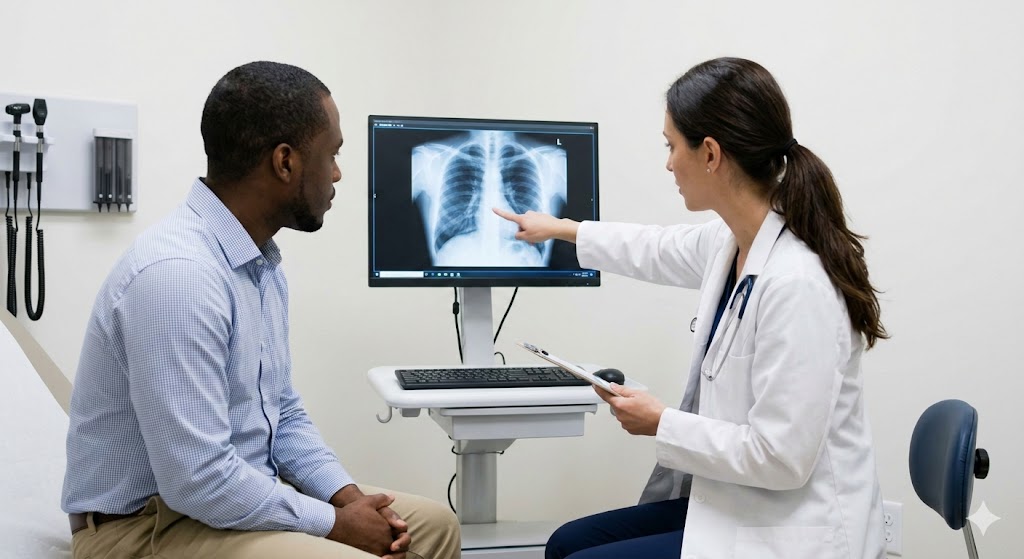
X-rays use small amounts of radiation to create images of the inside of the body. Dense materials, like bones, absorb more radiation and show up white, while softer tissues appear in shades of gray. It’s fast, painless, and incredibly useful.
Think of it like shining a flashlight through your hand—if your bones could block the light, you’d see their outline.
Common Uses of X-rays
- Diagnosing fractures or bone dislocations
- Checking for lung infections, like pneumonia or tuberculosis
- Spotting arthritis or joint problems
- Dental health, such as cavities and wisdom teeth issues
- Locating foreign objects in the body
Benefits and Limitations of X-rays
- Benefits: Quick, inexpensive, widely available.
- Limitations: Doesn’t show much detail for soft tissues like muscles, organs, or the brain.
At NextGen Diagnostic Imaging, digital X-ray machines provide clearer images with lower radiation doses than traditional methods—a win for safety and accuracy.
2. CT (Computed Tomography) Scans
How CT Scans Work
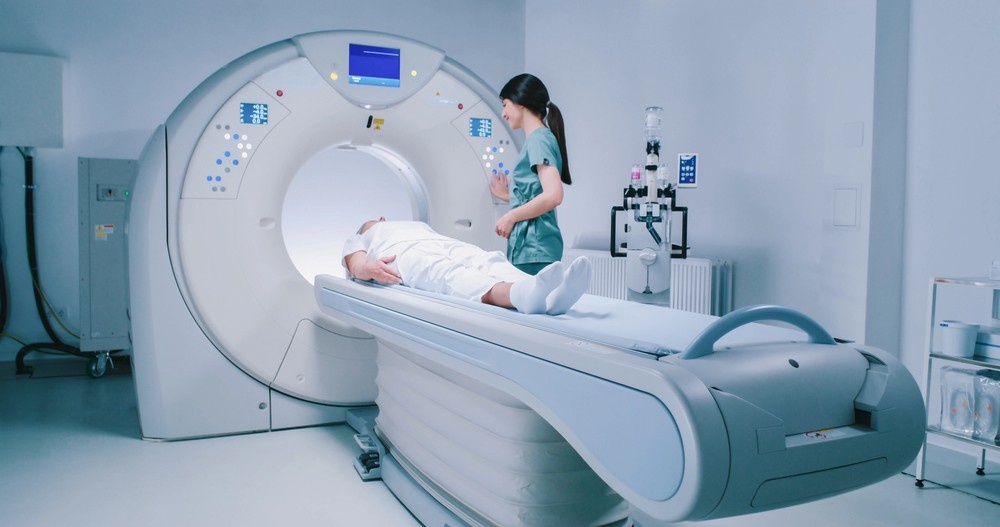
A CT scan is like an X-ray on steroids. Instead of one flat picture, it takes multiple X-ray images from different angles and uses a computer to build a 3D image. This gives doctors a much deeper view of the body.
Imagine slicing a loaf of bread—you can look at each slice separately. That’s how CT scans give doctors a cross-sectional view of your body.
When Doctors Recommend CT Scans
- Detecting internal bleeding after accidents
- Diagnosing cancers, tumors, or infections
- Finding blood clots in the lungs
- Guiding complex surgeries or radiation therapy
- Checking for internal organ injuries
Pros and Cons of CT Scans
- Pros: Fast results, highly detailed, life-saving in emergencies.
- Cons: Uses more radiation than an X-ray, so it’s not recommended for unnecessary scans.
At NextGen Diagnostic Imaging, patients in the Mahatma Gandhi District have access to advanced CT technology that balances speed, safety, and clarity.
3. MRI (Magnetic Resonance Imaging)
The Science Behind MRI
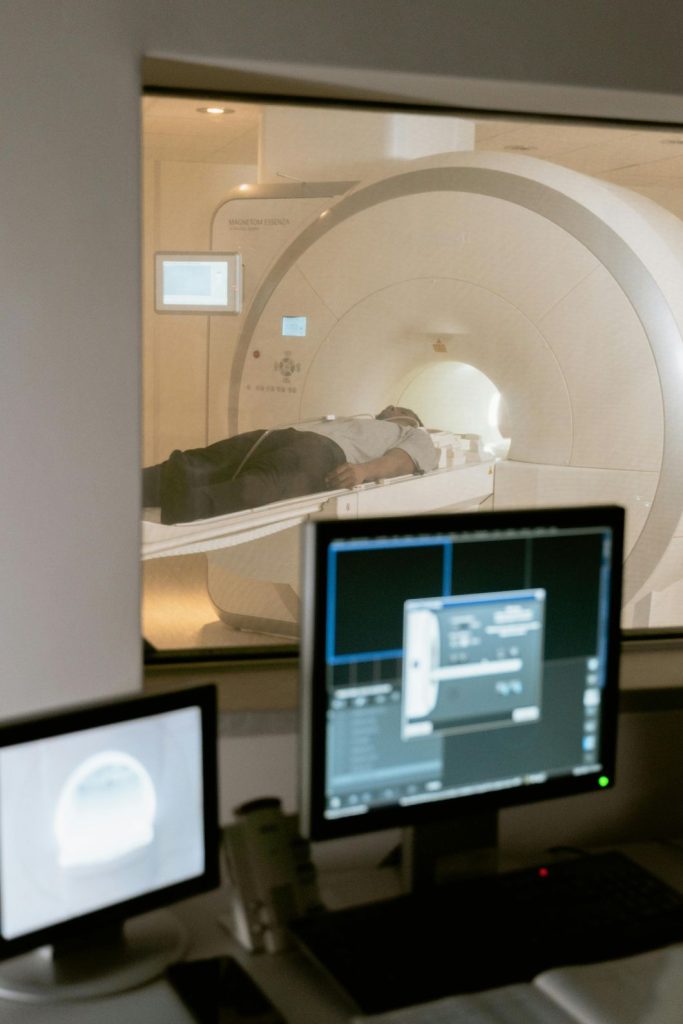
MRIs use powerful magnets and radio waves—no radiation at all—to create detailed images of the body’s soft tissues. The machine measures how water molecules in your body respond to magnetic fields, turning that data into images.
Think of it as listening to the “echo” of your body’s molecules and turning that into a detailed picture.
Key Uses of MRI
- Checking for brain or spinal cord injuries
- Diagnosing joint injuries like torn ligaments or cartilage damage
- Spotting tumors in soft tissues and organs
- Monitoring conditions like multiple sclerosis
- Evaluating blood vessels and heart structures
Advantages and Drawbacks of MRI
- Advantages: Best detail for soft tissues, no radiation, highly accurate.
- Drawbacks: Longer scan times (sometimes 30–60 minutes), noisy machine, and not suitable for people with pacemakers or metal implants.
At NextGen Diagnostic Imaging, the MRI experience is designed for comfort, with technicians explaining each step and helping patients relax during the scan.
4. Ultrasound
How Ultrasound Imaging Works
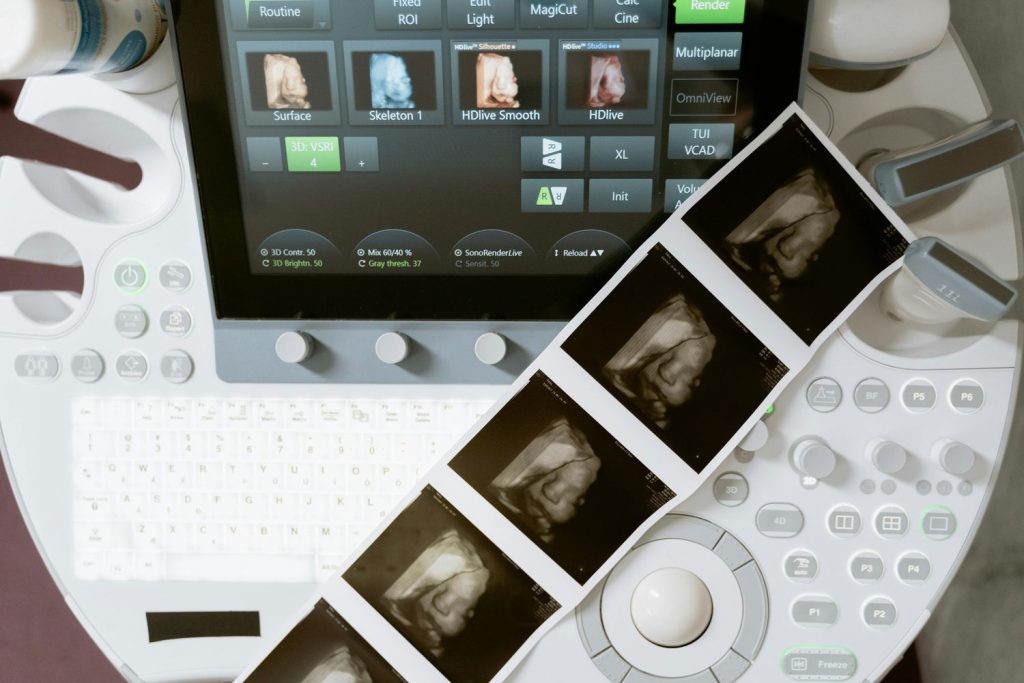
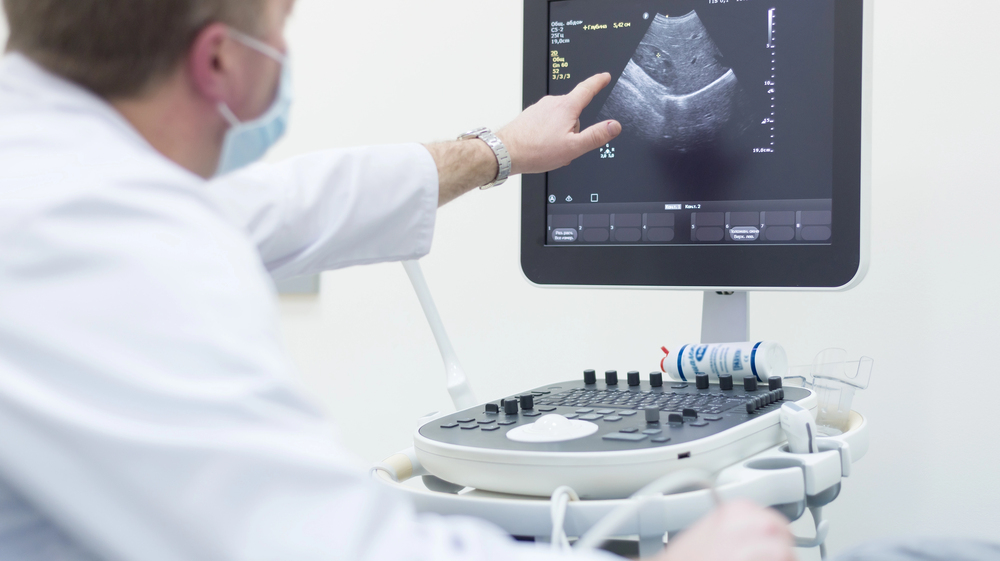
Ultrasound uses high-frequency sound waves, not radiation, to create images. A handheld device (called a transducer) sends sound waves into the body, and the echoes that bounce back form an image.
It’s like sonar on a submarine—but instead of finding fish, it’s mapping organs and tissues.
Everyday Uses of Ultrasound
- Monitoring pregnancies
- Evaluating abdominal organs like the liver, kidneys, or gallbladder
- Examining the heart (echocardiogram)
- Guiding biopsies or injections
- Checking blood flow in veins and arteries
Strengths and Limitations of Ultrasound
- Strengths: Safe for all ages, portable, and completely radiation-free.
- Limitations: Not great for areas blocked by bone or gas, like the brain or lungs.
In the Mahatma Gandhi District, many families rely on NextGen Diagnostic Imaging for pregnancy ultrasounds and other essential screenings.
Which Imaging Type Do You Need?
The type of imaging depends on the medical question being asked:
- Broken bone? X-ray.
- Internal bleeding or organ trauma? CT scan.
- Brain or ligament injury? MRI.
- Pregnancy or abdominal exam? Ultrasound.
At NextGen Diagnostic Imaging, radiologists in the Mahatma Gandhi District evaluate your situation and recommend the right tool—so you don’t have to guess.
Safety Concerns and Myths About Medical Imaging
Let’s bust some common myths:
- “Imaging is dangerous because of radiation.” Truth: Most scans use very small amounts, carefully controlled.
- “MRIs can erase memory.” Totally false—the magnets don’t affect brain function.
- “Ultrasound is only for pregnancy.” In reality, it’s used in cardiology, oncology, and much more.
Rest assured, imaging is designed to be as safe as possible, especially when performed at a trusted center like NextGen Diagnostic Imaging.
How NextGen Diagnostic Imaging Serves the Mahatma Gandhi District
Advanced Technology Close to Home
You don’t need to leave the neighborhood for world-class imaging. NextGen Diagnostic Imaging uses the latest equipment, providing clear and reliable results quickly.
Patient-Centered Approach
Patients here are treated with care and respect. Whether it’s explaining procedures, easing anxiety, or ensuring comfort, the team puts people first—not just the scans.
What to Expect During Your Visit to NextGen Diagnostic Imaging
- Check-in: Quick and simple.
- Procedure explanation: Technicians walk you through every step.
- The scan itself: Usually painless and over before you know it.
- Results: Delivered promptly to your doctor for review.
Preparing for Different Types of Imaging
Here’s a cheat sheet for prep:
- X-ray: Usually no preparation needed.
- CT scan: May require fasting or drinking contrast dye.
- MRI: Remove metal jewelry and clothing.
- Ultrasound: Sometimes a full bladder or fasting is needed.
The staff at NextGen Diagnostic Imaging always provide clear prep instructions so patients feel ready.
The Future of Medical Imaging
Technology keeps pushing boundaries:
- AI-assisted imaging to detect problems faster.
- Portable scanners that bring imaging to rural or emergency settings.
- 4D imaging that shows organs in motion.
For patients in the Mahatma Gandhi District, this means even better access to life-changing diagnostics in the years ahead.
NextGen Diagnostic Imaging Serving the Mahatma Gandhi District Community and Beyond in Houston
NextGen Diagnostic Imaging is dedicated to serving the diverse needs of the local community of Houston, including individuals residing in neighborhoods like Mahatma Gandhi District. With its convenient location near landmarks such as the Briarmeadow Park and major intersections like Beverly Hill St. and Unity Dr. (coordinates: 29.730193823321166, -95.49898811492821), we offer imaging centers houston services.
Get Imaging Centers Services At Mahatma Gandhi District Now
Navigate from Mahatma Gandhi District to NextGen Diagnostic Imaging Now
Conclusion
Medical imaging is the bridge between symptoms and answers. From the quick snapshot of an X-ray to the detailed insights of an MRI, each type has its own role in keeping us healthy. Thanks to NextGen Diagnostic Imaging, residents of the Mahatma Gandhi District have access to these essential services without leaving their community.
FAQs
1. What are the four main types of medical imaging?
X-rays, CT scans, MRI, and ultrasound.
2. Is medical imaging safe?
Yes. Radiation levels are carefully controlled, and options like MRI and ultrasound don’t use radiation at all.
3. How do I know which scan I need?
Your doctor will recommend the best test depending on your symptoms and condition.
4. Does medical imaging hurt?
No. Most imaging tests are painless. The only discomfort may be lying still or holding your breath briefly.
5. How long does it take to get results?
At centers like NextGen Diagnostic Imaging, results are often available within a few days—or sooner in urgent cases.

NextGen Scan
How X-Ray Services Help Doctors Make Fast Diagnoses
In healthcare, timing can be the difference between a minor concern and a major medical emergency. When symptoms appear—whether it’s sudden pain, shortness of breath, or an unexplained injury—doctors need answers quickly. This is where X-ray services step in as one of the most powerful diagnostic tools in modern medicine. For patients seeking X-ray services…What Are Mammogram Services And What Do They Include?
When it comes to protecting your long-term health, few screenings are as powerful—or as misunderstood—as a mammogram. Mammogram services are not just routine medical appointments; they are proactive tools that help detect breast changes long before symptoms appear. For women in Houston and Shenandoah, access to high-quality mammogram services can mean the difference between early…What Makes an Ultrasound Affordable Without Sacrificing Accuracy?
When patients hear that an ultrasound is “affordable,” the word often triggers doubt. In a healthcare system where prices vary wildly, many people assume lower cost must mean lower quality. After all, we’ve been trained to believe that better care always costs more. But diagnostic imaging doesn’t work that way. Ultrasound accuracy isn’t determined by…


Contact Us: We’re Here to Help!
We’d love to hear from you! Whether you have questions about our services, need more information on our diagnostic and pain management options, or would like to schedule an appointment, our friendly and professional team is here to assist you every step of the way. We are dedicated to providing you with the best care and support, and we are happy to address any concerns or inquiries you may have.