What Are 3D Mammograms?
November 3, 2025
Breast health is a topic many women put off, but staying proactive can save lives. Mammograms have been a cornerstone of early detection for decades, yet technology has dramatically improved how we screen for breast cancer.
One of the most important advancements is the 3D mammogram, also known as breast tomosynthesis. Unlike traditional mammograms, a 3D mammogram creates a layered, three-dimensional view of the breast, which allows doctors to detect abnormalities that may otherwise be hidden.
If you’re in Shenandoah, understanding this technology, its benefits, and how it differs from traditional mammograms is crucial. Centers like NextGen Diagnostic Imaging are now offering advanced 3D mammography services, providing patients with a more precise and reassuring breast screening experience.
Understanding Mammograms: The Basics
Mammograms are specialized X-ray scans of the breast designed to detect abnormalities like tumors or calcifications. They’ve been around for decades and remain the most effective tool for early detection of breast cancer.
What a Traditional Mammogram Shows
A traditional mammogram, also called a 2D mammogram, takes flat images of the breast tissue. These images help doctors spot lumps, calcifications, and other structural changes that might indicate cancer. For many women, routine 2D mammograms are the first step in preventive breast care.
Limitations of Standard Mammograms
While 2D mammograms are invaluable, they’re not perfect. Dense breast tissue, which is common in younger women, can obscure tumors on standard scans. Overlapping tissues sometimes appear as suspicious spots, leading to false positives. These false alarms may require additional imaging or biopsies, which can cause unnecessary stress and delay treatment.
The Evolution of Breast Imaging
Breast imaging has progressed significantly over the years. The goal has always been to improve early detection while reducing discomfort and unnecessary follow-ups.
From Film to Digital Mammography
Film mammograms were the standard until digital mammography became widely available. Digital systems capture high-resolution images that can be manipulated on a computer—zoomed in, brightened, or contrasted—allowing doctors to examine tissue in more detail. However, dense breasts still posed challenges.
Introduction of 3D Mammography
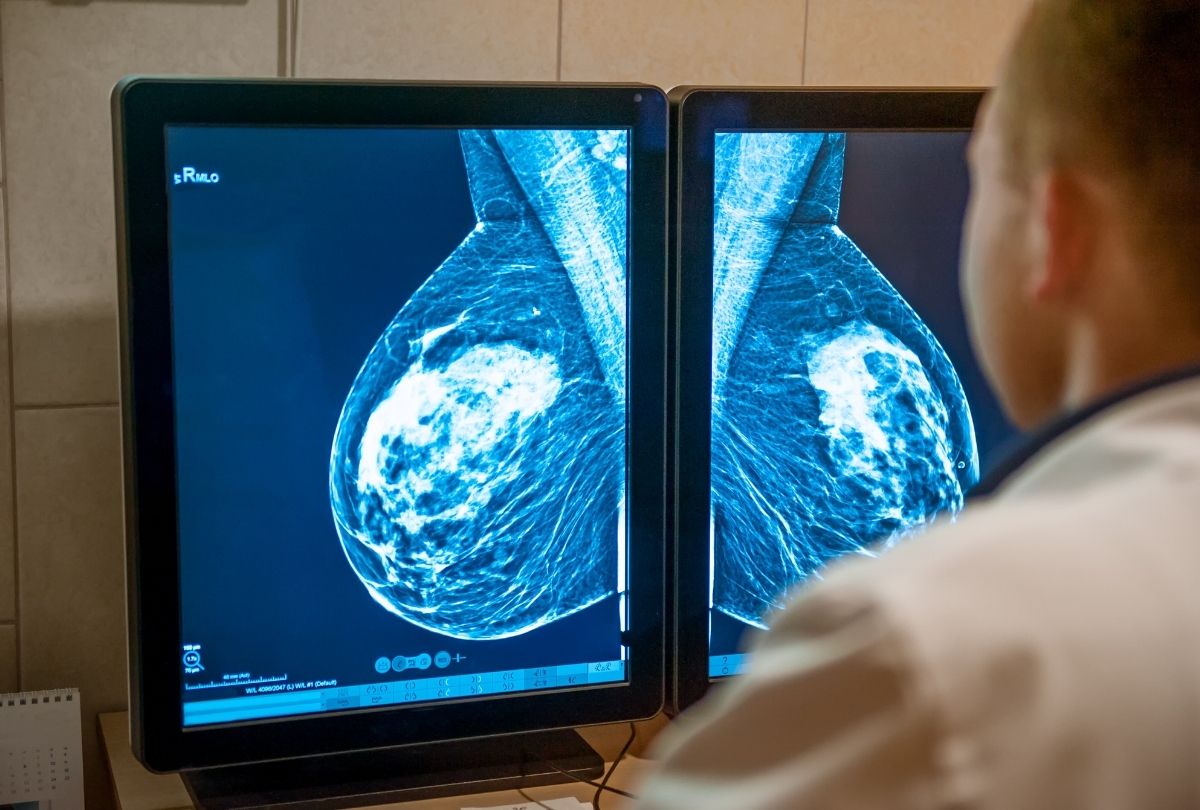
3D mammography, or breast tomosynthesis, revolutionized screening by taking multiple X-ray images at different angles. A computer reconstructs these images into a detailed 3D model, allowing radiologists to examine breast tissue slice by slice. This layered approach helps reveal abnormalities that might be hidden in traditional 2D images.
What is a 3D Mammogram?
A 3D mammogram is an advanced imaging technique that produces a multi-layered image of the breast. Unlike a standard mammogram that captures a single flat image, a 3D mammogram captures multiple thin slices, giving doctors a detailed view of tissue structures.
How 3D Mammography Works
During a 3D mammogram, the X-ray arm sweeps over the breast, capturing numerous images from different angles. These images are then compiled into a 3D model on a computer, which allows radiologists to “scroll” through each layer. This method improves visualization of dense tissue and helps detect tumors earlier.
Differences Between 2D and 3D Mammograms
Image Clarity and Accuracy
3D mammography provides much clearer and more precise images than 2D scans. The ability to see tissue in layers reduces overlapping shadows, which can hide cancers or create false alarms.
Detection of Dense Breast Tissue
Women with dense breast tissue often face challenges with 2D mammograms. Dense tissue can hide tumors, making early detection harder. 3D mammography separates tissue layers, making hidden cancers easier to spot.
Advantages of 3D Mammograms
The benefits of 3D mammography go beyond clearer images. They can influence outcomes, reduce anxiety, and make breast screening more efficient.
Early Cancer Detection
3D mammography can detect smaller tumors that might not be visible on traditional scans. Detecting cancer at an earlier stage greatly improves treatment outcomes and survival rates.
Reduced False Positives
False positives are stressful and costly. A 3D mammogram reduces unnecessary callbacks and biopsies by providing a more accurate view of tissue, allowing radiologists to distinguish benign areas from suspicious ones.
Improved Accuracy in Dense Breasts
Women with dense breast tissue are at higher risk of having cancers missed on 2D mammograms. 3D mammography improves detection, reducing the need for follow-up tests and giving women peace of mind.
Who Should Consider 3D Mammograms
3D mammography isn’t just for high-risk patients. Its advantages benefit a wide range of women looking for more accurate screening.
Women at Average Risk
Even women without family histories of breast cancer may benefit. 3D mammograms can detect subtle abnormalities early, providing a head start in care and treatment if needed.
Women at High Risk
Women with genetic predispositions or previous breast abnormalities should consider 3D mammography. The technology offers improved tracking of changes over time, helping doctors catch potential issues early.
Preparing for a 3D Mammogram
Knowing what to expect makes the process less intimidating and helps ensure clear images.
What to Expect During the Exam
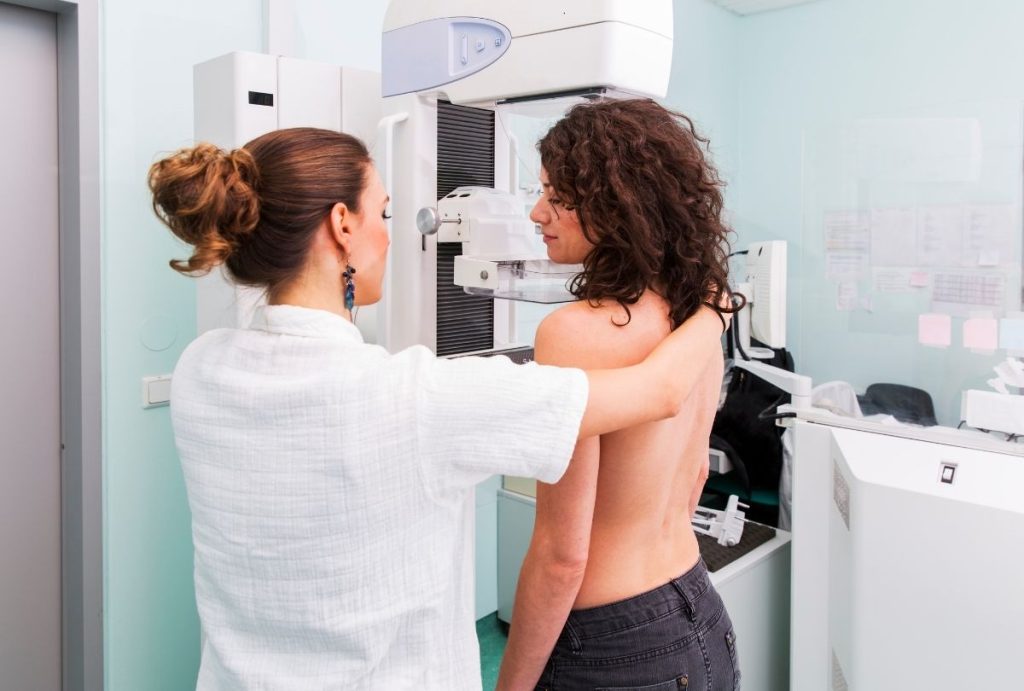
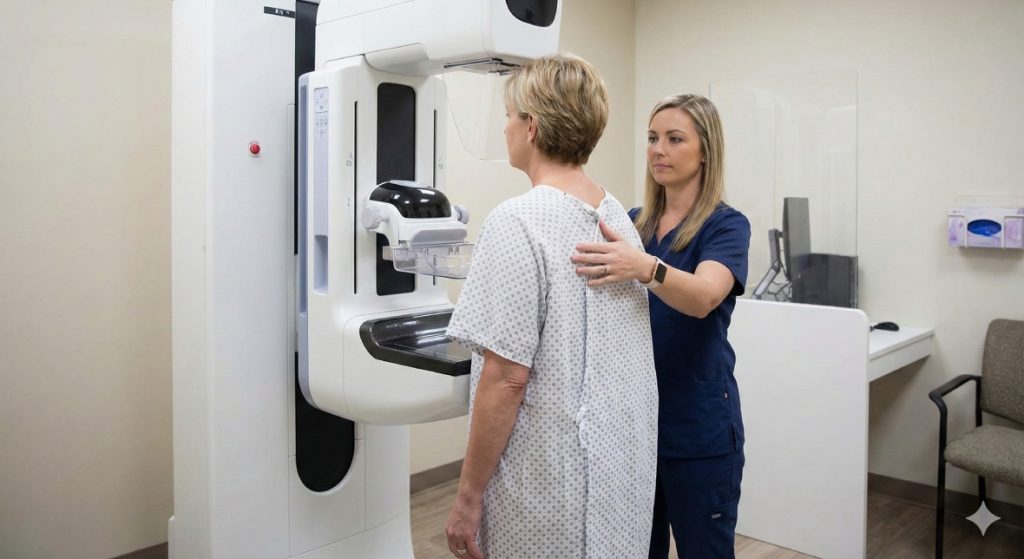
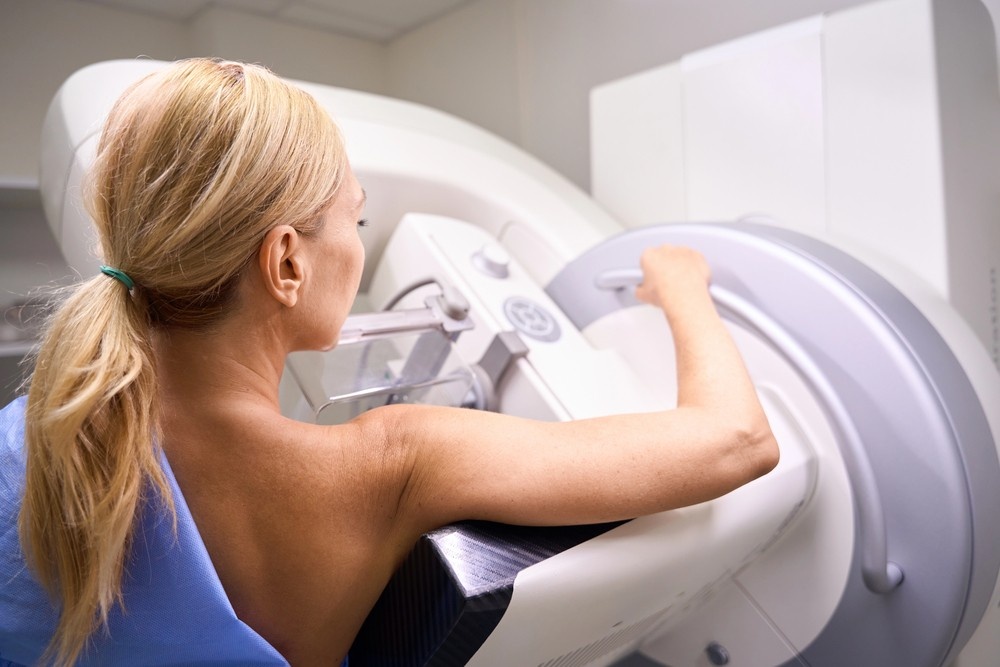
The procedure is similar to a traditional mammogram. A technologist positions the breast on a platform while gentle compression spreads tissue for a clearer view. The X-ray arm moves around the breast, taking multiple images within seconds.
Tips for a Comfortable Experience
Wearing a two-piece outfit helps, as you’ll need to remove clothing from the waist up. Avoid deodorants or powders on the day of the scan. Breathing deeply and relaxing your shoulders can reduce tension during compression.
Safety and Side Effects
3D mammography uses low-dose radiation, similar to standard mammograms, and is considered safe for routine screening.
Radiation Exposure Explained
The radiation exposure is minimal and well within safe limits. The benefits of early detection far outweigh the small risks of radiation.
Minimal Discomfort Considerations
Some pressure is necessary to get a clear image, which can cause brief discomfort. Most women tolerate the procedure well, and the entire process is over in just a few minutes.
NextGen Diagnostic Imaging: 3D Mammograms in Shenandoah
At NextGen Diagnostic Imaging in Shenandoah, patients have access to state-of-the-art 3D mammography technology. The center prioritizes patient comfort, accuracy, and quick results.
Why Choose NextGen Diagnostic Imaging
NextGen Diagnostic Imaging provides precise imaging with advanced equipment and a team of skilled technologists and radiologists. Every patient receives personal attention, with explanations of results and guidance for next steps.
Advanced Technology and Experienced Staff
Using the latest 3D mammography machines, NextGen offers images with unmatched clarity. Experienced radiologists collaborate closely with patients to ensure accurate interpretations and recommendations.
Insurance and Cost Considerations
Understanding coverage helps patients plan ahead. Many insurance plans cover 3D mammography, especially for routine screenings or women at higher risk.
Coverage Options
Most private and public insurance providers cover 3D mammograms. Some require women to meet age or risk criteria, but policies often include the scan for preventive care.
Out-of-Pocket Costs
Out-of-pocket costs vary depending on insurance coverage and location. For those without coverage, contacting the imaging center directly can provide accurate pricing and payment options.
Common Misconceptions About 3D Mammograms
It Hurts More Than a 2D Mammogram
Discomfort is comparable to a traditional mammogram. The brief compression is necessary to capture clear images and is typically over within seconds.
Only Needed for High-Risk Patients
While high-risk women benefit, 3D mammography is advantageous for all women. It increases detection rates, reduces unnecessary follow-ups, and provides peace of mind.
Tips for Maintaining Breast Health
Screening is essential, but it’s just one piece of the puzzle. Combining mammograms with healthy lifestyle habits and self-checks can optimize breast health.
Regular Screening Schedules
Follow your healthcare provider’s recommendations for routine mammograms. Early detection is critical, so staying consistent with screenings matters.
Lifestyle and Self-Exams
Maintain a balanced diet, exercise regularly, and perform monthly self-exams. Knowing your normal breast patterns helps you notice changes early and report them to your doctor.
The Future of Breast Imaging
Breast imaging continues to evolve. Innovations promise earlier detection, more accuracy, and less stress for patients.
AI and 3D Mammography
Artificial intelligence is being integrated into 3D mammography to highlight subtle tissue changes. AI helps radiologists detect anomalies faster, reducing human error and improving early diagnosis.
Potential Developments in Detection
Researchers are exploring advanced imaging techniques that could further reduce false positives, detect cancer even earlier, and enhance personalized screening based on risk factors.
NextGen Diagnostic Imaging Serving the Shenandoah Community and Beyond in Houston
NextGen Diagnostic Imaging is dedicated to serving the diverse needs of the local community of Houston, including individuals residing in neighborhoods like Shenandoah. With its convenient location near landmarks such as the Benavidez Elementary School and major intersections like Westward St. & Gulfton St. (coordinates: 29.716704099999987, -95.4938099), we offer 3d mammograms Houston services.
Get 3D Mammograms at Shenandoah Now
Navigate from Shenandoah to NextGen Diagnostic Imaging Now
Empowering Women Through Advanced Breast Screening
3D mammography is more than a technological upgrade—it’s a life-saving tool. By providing clearer images, more accurate detection, and fewer false positives, it offers women confidence in their breast health.
With NextGen Diagnostic Imaging in Shenandoah, patients benefit from advanced technology, expert care, and a comfortable, reassuring experience. Prioritizing breast health today means better outcomes tomorrow.
FAQs
1. How long does a 3D mammogram take?
Typically around 15 minutes, including preparation. The scan itself only takes a few seconds per breast.
2. Is 3D mammography covered by insurance?
Most plans cover it, particularly for women over 40 or at increased risk. Always confirm with your provider.
3. Does it hurt more than a traditional mammogram?
The compression feels similar to a 2D mammogram and is usually brief.
4. Can 3D mammograms detect cancer earlier?
Yes. The layered imaging reveals smaller tumors that may not appear on standard 2D scans.
5. Who should get a 3D mammogram?
Women of all risk levels benefit, especially those with dense breast tissue or a family history of breast cancer.

NextGen Scan
How X-Ray Services Help Doctors Make Fast Diagnoses
In healthcare, timing can be the difference between a minor concern and a major medical emergency. When symptoms appear—whether it’s sudden pain, shortness of breath, or an unexplained injury—doctors need answers quickly. This is where X-ray services step in as one of the most powerful diagnostic tools in modern medicine. For patients seeking X-ray services…What Are Mammogram Services And What Do They Include?
When it comes to protecting your long-term health, few screenings are as powerful—or as misunderstood—as a mammogram. Mammogram services are not just routine medical appointments; they are proactive tools that help detect breast changes long before symptoms appear. For women in Houston and Shenandoah, access to high-quality mammogram services can mean the difference between early…What Makes an Ultrasound Affordable Without Sacrificing Accuracy?
When patients hear that an ultrasound is “affordable,” the word often triggers doubt. In a healthcare system where prices vary wildly, many people assume lower cost must mean lower quality. After all, we’ve been trained to believe that better care always costs more. But diagnostic imaging doesn’t work that way. Ultrasound accuracy isn’t determined by…

Contact Us: We’re Here to Help!
We’d love to hear from you! Whether you have questions about our services, need more information on our diagnostic and pain management options, or would like to schedule an appointment, our friendly and professional team is here to assist you every step of the way. We are dedicated to providing you with the best care and support, and we are happy to address any concerns or inquiries you may have.