What Can CT Scans Detect?
April 28, 2025
Computed Tomography (CT) scans, also known as CAT scans, have become an essential part of modern medical diagnostics. These imaging techniques allow healthcare providers to visualize internal organs, blood vessels, and bones in greater detail than traditional X-rays. By combining X-ray images from different angles, CT scans produce cross-sectional images (slices) of the body, providing clearer and more comprehensive data.
In this blog post, we’ll explore what CT scans can detect, the conditions they help identify, and why they’re considered crucial in many diagnostic and treatment processes. Whether you’re a patient curious about the procedure or a healthcare professional looking to understand its full potential, this guide will provide valuable insights into the capabilities of CT scans.
How Does a CT Scan Work?
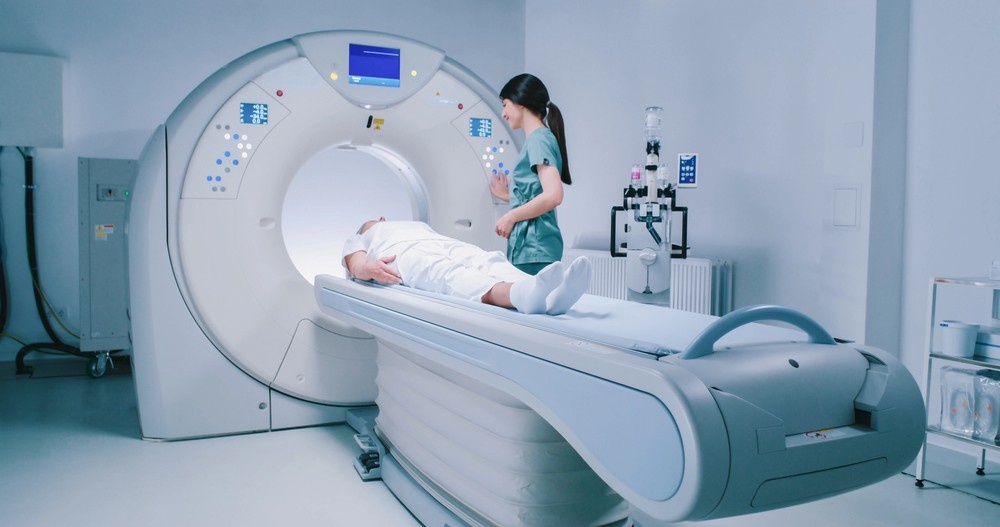
CT scans work by passing X-rays through the body from multiple angles. These X-rays are detected by a series of sensors that create detailed images of internal structures. The data collected is then processed by a computer to generate cross-sectional images. These images can be used to examine the body’s internal organs, bones, and blood vessels, offering a clearer view of areas that may be difficult to see with conventional X-rays. The process is non-invasive, relatively quick, and often used in emergency situations when immediate results are necessary.
Types of Conditions That CT Scans Can Detect
CT scans are invaluable in detecting a wide range of conditions. Here are some of the most common uses:
1. Cancer Detection
CT scans are often used to detect and monitor cancer. They can identify the size, shape, and location of tumors, and help doctors assess whether cancer has spread to other parts of the body. For example, CT scans are frequently used in diagnosing lung, abdominal, and brain cancers.
- Lung Cancer: A CT scan can identify early-stage lung cancer, even before symptoms appear. It can also help stage the cancer, determining its extent and spread.
- Colorectal Cancer: CT scans can help detect large bowel cancers, assess their spread, and evaluate other organs like the liver for metastasis.
2. Traumatic Injuries
CT scans are often the first imaging technique used in emergency rooms following trauma, especially in cases involving head or abdominal injuries. These scans can identify fractures, internal bleeding, and other traumatic injuries that might not be visible on a regular X-ray.
- Head Injuries: CT scans are crucial for detecting brain injuries such as concussions, internal bleeding, or skull fractures.
- Abdominal Trauma: After an accident, CT scans can pinpoint internal injuries to organs like the liver, spleen, and kidneys, helping to guide emergency care.
3. Cardiovascular Conditions
CT scans can detect a variety of cardiovascular issues, including blood clots, aneurysms, and coronary artery disease.
- Aortic Aneurysms: A CT scan can help detect aneurysms in the aorta, the large artery that carries blood from the heart, by providing detailed images of the blood vessels.
- Coronary Artery Disease: CT angiography is used to examine the blood vessels of the heart and can detect coronary artery blockages, helping doctors plan treatment or surgeries.
4. Infections
CT scans are used to identify infections within the body, including abscesses, tuberculosis, and sepsis. They can pinpoint the exact location of an infection, allowing doctors to start targeted treatment.
- Lung Infections: CT scans are commonly used to detect pneumonia and tuberculosis, especially when chest X-rays are inconclusive.
- Abdominal Infections: In cases of suspected appendicitis or peritonitis, CT scans provide a clear view of the affected area, helping with diagnosis.
5. Neurological Disorders
CT scans are valuable tools for diagnosing neurological conditions. They can detect brain tumors, strokes, aneurysms, and bleeding in the brain.
- Strokes: CT scans can identify signs of a stroke, particularly hemorrhagic strokes, by revealing areas of bleeding in the brain.
- Brain Tumors: Whether benign or malignant, CT scans provide crucial information about the size, location, and type of tumor.
When Is a CT Scan Recommended?
CT scans are often recommended when other diagnostic tests, such as X-rays or physical exams, are inconclusive or insufficient. Some common scenarios where a CT scan may be suggested include:
- Unexplained pain: If a patient is experiencing chronic or acute pain that cannot be explained through physical examination, a CT scan can offer insights into internal issues.
- Emergency situations: In cases of trauma, CT scans provide rapid, detailed images that help doctors make quick decisions about treatment.
- Cancer monitoring: Patients undergoing cancer treatment may need periodic CT scans to monitor the progress and check for any new growth or recurrence of tumors.
Advantages of CT Scans
- Speed and Accuracy: CT scans provide fast, highly detailed images, which makes them especially useful in emergency situations where time is critical.
- Non-invasive: Unlike surgeries or biopsies, CT scans are non-invasive, meaning they don’t require incisions or physical entry into the body.
- Detailed Imaging: The ability of CT scans to produce 3D-like images allows for a more comprehensive view of the body’s internal structures, making it easier to identify even small issues.
- Versatility: From trauma to cancer detection, CT scans can be used for a broad range of medical conditions, helping doctors make informed decisions across specialties.
Limitations of CT Scans
While CT scans are incredibly valuable, they do have some limitations:
- Radiation Exposure: CT scans expose patients to higher doses of radiation than regular X-rays. This is why they are only used when necessary and why healthcare providers may avoid repeat scans unless absolutely needed.
- Limited Soft Tissue Contrast: While CT scans provide detailed images of bones and organs, they are not as effective as MRI scans when it comes to soft tissue contrast. This makes MRIs the preferred option for certain conditions.
- Cost: CT scans can be more expensive than X-rays and other imaging techniques. In some cases, this might make them less accessible, especially in non-urgent situations.
How Accurate Are CT Scans?
CT scans are highly accurate in detecting many conditions, but like any diagnostic tool, they are not foolproof. Factors such as the quality of the scan, the expertise of the radiologist, and the patient’s specific condition can all influence the accuracy of the results.
What to Expect During a CT Scan
The procedure for a CT scan is relatively simple and quick. Here’s what you can expect:
- Preparation: In some cases, you may need to avoid eating or drinking for a few hours before the scan. If a contrast dye is being used, it may be injected into your bloodstream or ingested to enhance the images.
- The Scan: You’ll be asked to lie on a table that slides into the CT machine. You’ll need to remain still during the scan, which typically takes just a few minutes.
- After the Scan: Once the procedure is complete, you can usually resume your normal activities. If contrast dye was used, you may need to drink plenty of fluids to help flush it from your system.
Nextgen Diagnostics Serving the Sharpstown Community and Beyond in Houston
Nextgen Diagnostics is dedicated to serving the diverse needs of the local community of Houston, including individuals residing in neighborhoods like Sharpstown. With its convenient location near landmarks such as the Houston Christian University and major intersections like Laguna Villas & Windwater Lagoon Dr (coordinates: 29.716759003576655, -95.50955205216962), we offer Cheap X-ray Houston services.
Get Cheap X-ray Houston Services at Sharpstown Now
Navigate from Sharpstown to Nextgen Diagnostics Now
Conclusion
CT scans are indispensable diagnostic tools that help healthcare providers detect a wide variety of conditions, from cancers to traumatic injuries. Their ability to produce detailed images quickly and accurately makes them an essential part of modern medical practice. At Nextgen Diagnostics, we offer high-quality CT scanning services to help patients gain clarity on their health conditions and ensure timely treatment.
While CT scans are highly effective, they are best used in conjunction with other tests and medical evaluations to ensure a comprehensive approach to diagnosis and treatment. If you’re in need of a CT scan, consider consulting with a trusted provider like Nextgen Diagnostics, where we prioritize your health and well-being.
Frequently Asked Questions
1. What conditions can a CT scan detect?
CT scans can detect a wide range of conditions including cancers, traumatic injuries, infections, cardiovascular diseases, and neurological disorders. They are particularly useful for diagnosing issues in the chest, abdomen, brain, and pelvis.
2. How does a CT scan work?
A CT scan uses X-rays to create detailed cross-sectional images of the body. These images are then processed by a computer to generate a comprehensive 3D view of internal structures, helping doctors diagnose various medical conditions.
3. Are CT scans safe?
CT scans are generally safe, though they involve exposure to a small amount of radiation. The benefits of diagnosing serious conditions usually outweigh the risks, but they are typically only performed when necessary.
4. How long does a CT scan take?
A CT scan typically takes just a few minutes to complete, although the entire process, including preparation, may take around 30 minutes to an hour, depending on the specific scan.
5. Can a CT scan detect brain tumors?
Yes, CT scans can help detect brain tumors by providing detailed images of the brain. They are often used in emergency situations to identify conditions like strokes or brain hemorrhages as well.

NextGen Scan
How X-Ray Services Help Doctors Make Fast Diagnoses
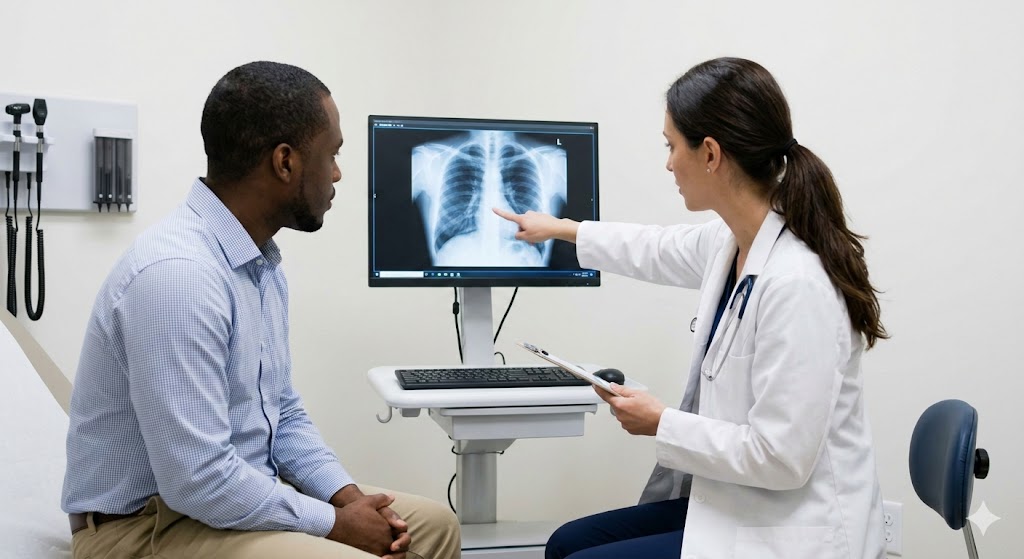
In healthcare, timing can be the difference between a minor concern and a major medical emergency. When symptoms appear—whether it’s sudden pain, shortness of breath, or an unexplained injury—doctors need answers quickly. This is where X-ray services step in as one of the most powerful diagnostic tools in modern medicine. For patients seeking X-ray services…What Are Mammogram Services And What Do They Include?
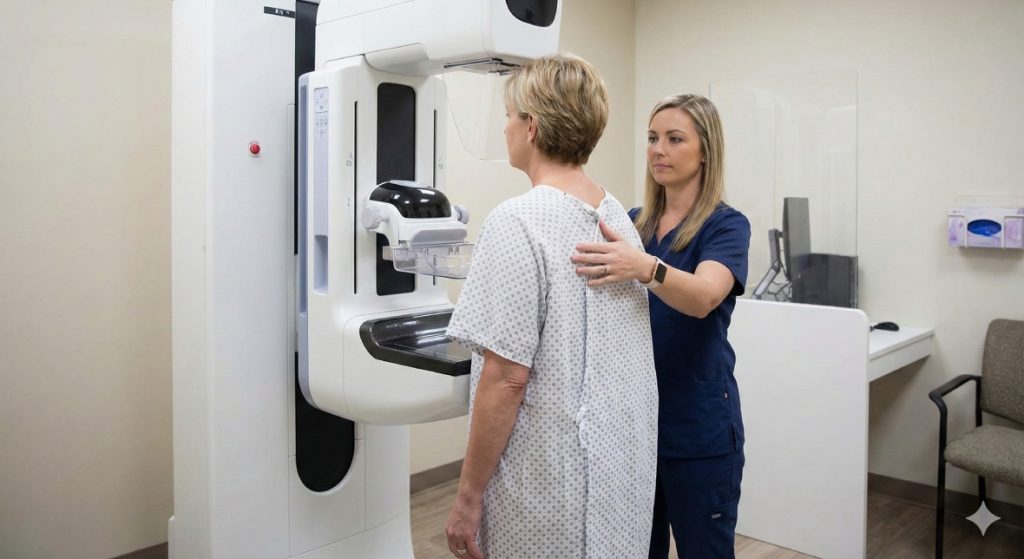
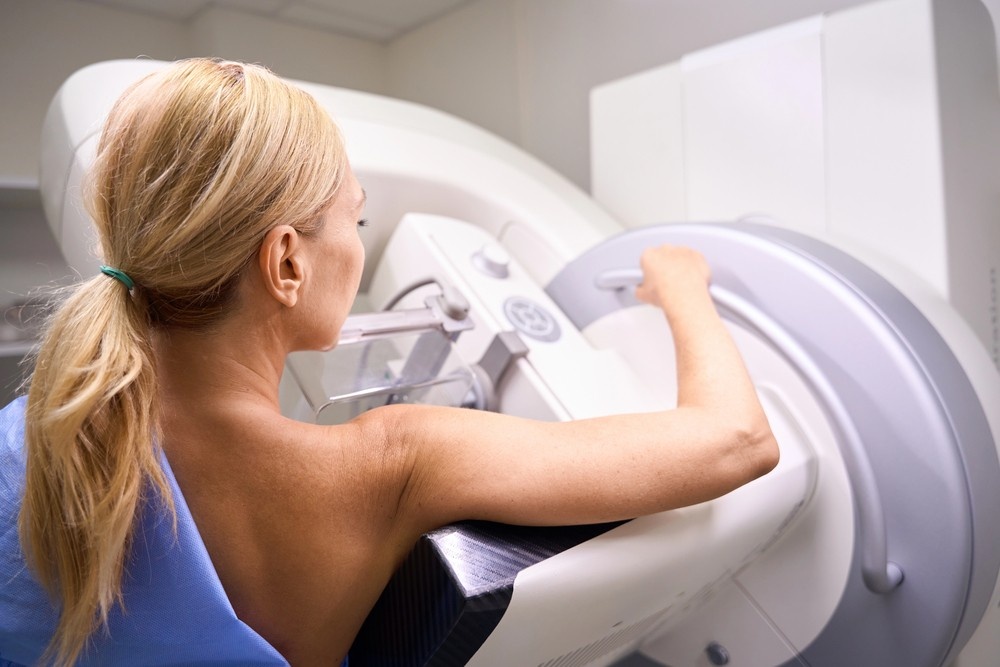
When it comes to protecting your long-term health, few screenings are as powerful—or as misunderstood—as a mammogram. Mammogram services are not just routine medical appointments; they are proactive tools that help detect breast changes long before symptoms appear. For women in Houston and Shenandoah, access to high-quality mammogram services can mean the difference between early…What Makes an Ultrasound Affordable Without Sacrificing Accuracy?
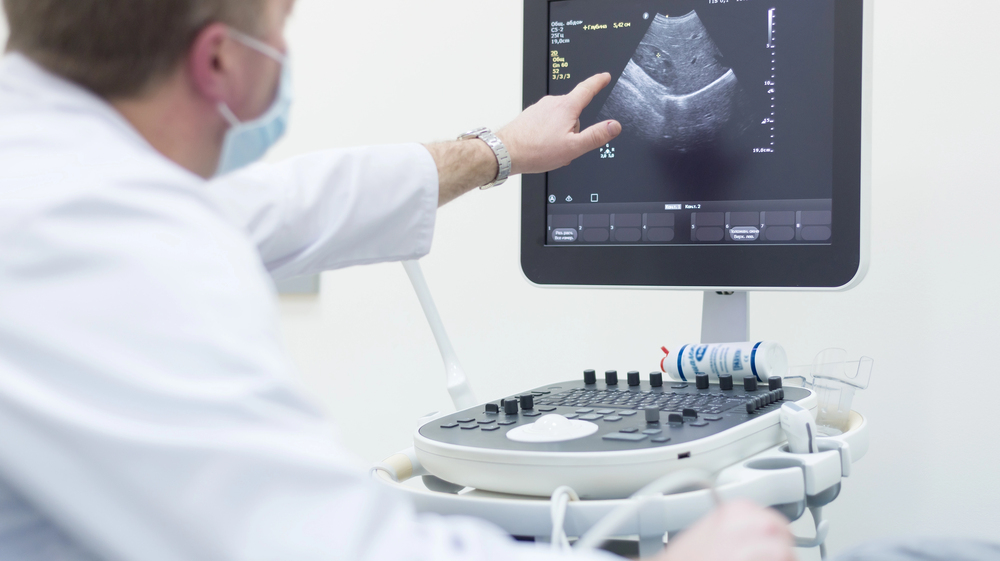
When patients hear that an ultrasound is “affordable,” the word often triggers doubt. In a healthcare system where prices vary wildly, many people assume lower cost must mean lower quality. After all, we’ve been trained to believe that better care always costs more. But diagnostic imaging doesn’t work that way. Ultrasound accuracy isn’t determined by…

Contact Us: We’re Here to Help!
We’d love to hear from you! Whether you have questions about our services, need more information on our diagnostic and pain management options, or would like to schedule an appointment, our friendly and professional team is here to assist you every step of the way. We are dedicated to providing you with the best care and support, and we are happy to address any concerns or inquiries you may have.