What Happens To Your Body During A CT Scan?
October 16, 2025
A CT scan (Computed Tomography scan) is a diagnostic imaging test that gives doctors a detailed look inside your body. It’s more advanced than a standard X-ray because it takes multiple cross-sectional images (called slices) that a computer combines into a 3D view. This allows physicians to detect medical conditions that might otherwise go unnoticed like internal injuries, tumors, or abnormalities in bones, tissues, or blood vessels.
But while CT scans are common in hospitals and imaging centers, many people don’t fully understand what happens to their body during one. You might wonder if it hurts, if it’s safe, or what the machine is doing while you lie still inside it.
At NextGen Diagnostic Imaging, we believe that knowledge helps patients feel more relaxed and in control. The more you know about what’s happening to your body, the less intimidating the process becomes. Let’s walk through each stage of the CT scan what your body experiences, how the technology works, and what you can expect before, during, and after your exam.
Preparing Your Body Before the Scan
Before the CT scan begins, preparation is key. Depending on what part of your body is being scanned, your radiology team at NextGen Diagnostic Imaging will give you specific instructions to follow.
Pre-Scan Guidelines
- Dietary Restrictions:
For certain scans (especially those involving your abdomen or pelvis), you may need to avoid food or drink for several hours beforehand. This ensures your digestive system is clear for more accurate imaging. - Clothing and Metal Items:
You’ll typically change into a medical gown and remove any metal objects like jewelry, eyeglasses, dentures, or belts. Metal can interfere with the X-ray beams, creating artifacts (unwanted streaks) on the images. - Contrast Dye Administration:
For enhanced scans, you may receive contrast material, a special dye that helps highlight specific areas like blood vessels, intestines, or organs. This dye can be given in three ways:
- Intravenous (IV) injection – for blood vessels and organ imaging
- Oral contrast – for digestive system scans
- Rectal contrast – occasionally used for colon or pelvic studies
- Intravenous (IV) injection – for blood vessels and organ imaging
What Your Body Experiences
If contrast dye is injected, your body might respond with a temporary warm or flushed feeling, sometimes accompanied by a metallic taste in your mouth. This occurs as the contrast circulates through your bloodstream. Some people describe it as a “wave of warmth” or “tingling” that passes quickly.
It’s also normal to feel slightly anxious especially if it’s your first time. Taking slow, deep breaths can help calm your nerves before the scan begins. The technologist will explain everything clearly, so you’ll always know what’s happening next.

The Science Behind How a CT Scan Works
To understand what happens to your body, it helps to know how the CT scanner operates.
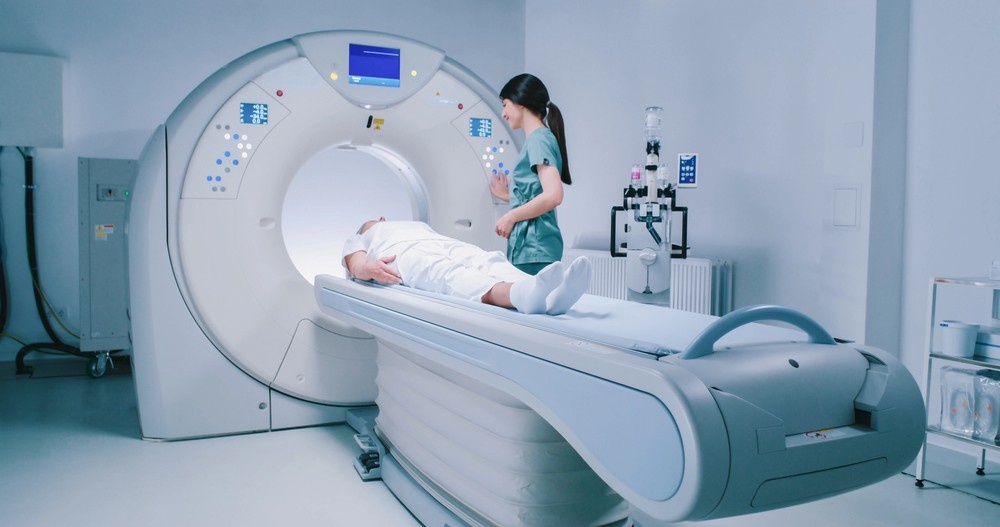
A CT scanner looks like a large, doughnut-shaped ring. The table (called the gantry) slides in and out of the ring, positioning the part of your body being examined at the center. Inside the ring is an X-ray tube that rotates 360 degrees, sending out a thin beam of X-rays from multiple angles.
Detectors opposite the X-ray source measure how much of that radiation passes through your body. The computer then processes the data and assembles it into detailed digital images of your internal structures.
How Your Body Interacts with the Scan
While this process might sound complex, you won’t feel a thing. The X-rays pass through your body harmlessly, and you’ll likely only notice:
- A faint whirring or clicking sound as the machine moves.
- The table shifting slightly to capture new slices.
- Occasional instructions from the technologist, such as “Hold your breath,” which prevents motion blur.
Because the images are taken in rapid succession, the scanner can capture detailed pictures in just seconds. This is especially important for moving organs like your heart or lungs.
What Happens Inside Your Body During the Scan
During the CT scan, the machine is quietly collecting thousands of data points from your body, layer by layer. Let’s explore how your body actually responds during this time.
Holding Still for Accuracy
You’ll be asked to lie completely still, sometimes holding your breath for a few seconds to prevent movement from distorting the images. Staying still may cause mild muscle stiffness or tension, but it’s temporary.
If you feel claustrophobic, remember: the scanner is open on both sides, and you’ll always be in communication with the technologist through an intercom.
How X-rays Pass Through the Body
The X-ray beams interact differently with various tissues:
- Bone absorbs more X-rays, appearing white on the scan.
- Muscles and organs absorb moderate amounts, showing up as gray shades.
- Air-filled areas, like lungs, absorb the least and appear darker.
This contrast between tissues is what allows doctors to see clear structural differences.
Your Body’s Reaction to Contrast Dye
If you receive contrast material, your circulatory system rapidly distributes it through your veins and organs. You might notice:
- A warm rush spreads from your chest to your limbs.
- A cool feeling in the arm where the IV is inserted.
- Occasionally, a brief urge to urinate (completely normal).
These effects are harmless and subside quickly. Your body’s filtration system, primarily your kidneys will gradually remove the contrast material over the next 24 hours.
The Role of Radiation: How It Affects Your Body
One of the biggest concerns patients have is radiation exposure. CT scans use a type of ionizing radiation to produce images, but it’s important to remember that the amount is very small and strictly monitored.
How Much Radiation Are You Exposed To?
A single CT scan might expose you to a few millisieverts (mSv) of radiation comparable to what you naturally receive from the environment over a year. For example:
- Head CT: Around 2 mSv
- Abdominal CT: Around 8 mSv
These levels are considered safe and well within medical guidelines.
How Your Body Handles It
When the X-rays pass through, they interact briefly with atoms in your tissues, creating signals that are detected and processed into images. The energy does not stay in your body, it’s absorbed and released instantly.
Modern machines, such as those used at NextGen Diagnostic Imaging, are designed to minimize exposure without compromising image quality. This means your body receives the lowest possible dose needed to capture accurate results.
Safety Measures in Place
- Lead shielding may be used to protect sensitive areas.
- Optimized scanning protocols adjust radiation based on your size and scan type.
- Continuous calibration ensures each scan uses precise, controlled amounts of energy.
CT scans are incredibly safe, and the diagnostic benefits far outweigh the minimal exposure risk.
After the CT Scan: What Your Body Does Next
Once your scan is complete, your body begins to return to its normal state right away. The process itself does not cause lasting changes to your tissues or systems.
Post-Scan Recovery
- If Contrast Was Used: You’ll be advised to drink plenty of water, usually six to eight glasses, to help your kidneys remove the dye naturally through urine.
- If No Contrast Was Used: You can resume regular activities immediately, including eating, driving, or exercising.
You might feel slightly tired from lying still, or have a mild ache at the IV site if contrast was injected. These effects usually disappear within a few hours.
What Happens Internally
Your kidneys and liver play a key role in eliminating contrast dye, filtering it out without any strain under normal conditions. Within 24 hours, almost all of it is gone from your system.
If you experience unusual symptoms like rash, nausea, or dizziness (which are rare), you should inform your doctor right away. The technologists at NextGen Diagnostic Imaging always monitor patients briefly after the procedure to ensure their comfort and safety before leaving.

Why CT Scans Are Important for Modern Medicine
CT scans are among the most valuable tools in diagnostic imaging today. They help doctors make decisions quickly and accurately, often preventing unnecessary surgeries or invasive tests.
What CT Scans Can Detect
- Internal bleeding or injuries after trauma
- Tumors, cysts, or infections in organs
- Bone fractures or spinal issues
- Blood clots or vascular blockages
- Lung or chest abnormalities
- Heart and brain conditions
In emergency medicine, CT scans can save lives by revealing internal damage in minutes. For chronic conditions, they allow for precise monitoring of disease progression and treatment effectiveness.
How CT Scans Differ from MRIs or X-rays
While MRIs use magnetic fields and radio waves, CT scans are faster and better for imaging bones, lungs, and blood vessels. Compared to standard X-rays, CT scans produce more detailed, layered images, making them the preferred choice when doctors need clarity and precision.
What to Expect at NextGen Diagnostic Imaging
At NextGen Diagnostic Imaging, we combine advanced CT technology with a compassionate, patient-centered approach. Our scanners are designed for comfort, speed, and reduced radiation exposure, ensuring both safety and precision.
Your Experience with Us
From check-in to results, every step is designed with your comfort in mind:
- Personalized guidance from our technologists before your scan.
- Calm, comfortable scanning rooms with clear communication at every stage.
- Prompt results interpreted by experienced radiologists and shared with your physician.
Our goal is to ensure that you understand what’s happening during your CT scan and leave feeling informed and confident about your health journey.
Why Patients in Gulfton Trust NextGen Diagnostic Imaging for Low-Dose CT Scans in Houston
When it comes to medical imaging, clarity shouldn’t come at the cost of safety. That’s why patients across Gulfton choose NextGen Diagnostic Imaging, where low-dose CT scans deliver high-quality results with minimal radiation exposure.
Our advanced low-dose CT technology is designed to capture crystal-clear images while reducing radiation levels by up to 70% compared to traditional CT scanners. That means you get the diagnostic accuracy your doctor needs with extra protection for your health.
Why Choose NextGen Diagnostic Imaging for Your Low-Dose CT Scan?
✅ Lower Radiation, Same Accuracy
Our low-dose scanners use smart algorithms and adaptive imaging software to minimize exposure while maintaining diagnostic precision. You get the safest scan possible without sacrificing quality.
✅ Fast and Comfortable Experience
No long waits or stressful setups our streamlined process ensures your CT scan is quick, calm, and convenient.
✅ Advanced Imaging Technology
We use next-generation scanners capable of capturing detailed cross-sectional images for early and accurate detection of conditions involving your chest, abdomen, brain, or bones.
✅ Expert Radiologists You Can Trust
Every scan is interpreted by highly skilled radiologists who focus on accuracy, speed, and patient care. We ensure your results are clear and ready for your physician in minimal time.
✅ Located Near You in Gulfton, Houston
Our Houston imaging center, conveniently located near Gulfton, offers easy access, flexible scheduling, and a welcoming environment that prioritizes comfort and care.
Your Health, Our Priority
At NextGen Diagnostic Imaging, we combine medical precision with patient-first service. Whether you’re here for routine screening or detailed diagnostic imaging, our low-dose CT scans help protect your health today so you can stay healthy for years to come.
📍 Visit NextGen Diagnostic Imaging in Houston, near Gulfton, to experience the future of safe and accurate medical imaging.
NextGen Diagnostic Imaging Serving the Gulfton Community and Beyond in Houston
NextGen Diagnostic Imaging is dedicated to serving the diverse needs of the local community of Houston, including individuals residing in neighborhoods like Gulfton. With its convenient location near landmarks such as the Amigos Por Vida Friends – Friends For Life Public Charter School and major intersections like Glenmont Dr. and Chimney Rock Rd. (coordinates: 29.72119980145173, -95.47827664748873), we offer low-dose CT scans Houston services.
Get Low-Dose CT Scans At Gulfton Now
Navigate from Gulfton to NextGen Diagnostic Imaging Now
Final Thoughts
A CT scan is a safe, fast, and highly effective way to see what’s happening inside your body. During the scan, your body interacts with a carefully controlled stream of X-rays to produce precise images that help doctors diagnose and treat medical conditions with accuracy.
The experience itself is painless and noninvasive. Aside from temporary sensations from the contrast dye, your body undergoes no lasting changes. The radiation used is minimal, and the benefits such as early detection and precise diagnosis far outweigh any risks.
At NextGen Diagnostic Imaging, we’re dedicated to providing not just accurate results but also peace of mind. By understanding what happens to your body during a CT scan, you can approach your appointment with confidence, knowing that your health and comfort are our top priorities.
FAQs
1. What exactly happens to my body during a CT scan?
During a CT scan, your body is gently exposed to a series of low-dose X-ray beams that rotate around you. These X-rays pass through your body and are detected by sensors that send information to a computer. The computer then creates detailed cross-sectional images of your organs, bones, and tissues. You won’t feel the X-rays, and the scan itself is painless. If contrast dye is used, you may briefly feel a warm sensation or metallic taste, which is completely normal.
2. Is a CT scan safe for my body?
Yes. At NextGen Diagnostic Imaging, patient safety is a top priority. Our low-dose CT scanners use advanced technology to significantly reduce radiation exposure while maintaining clear, accurate images. The amount of radiation used is minimal and carefully controlled. The benefits of getting a clear, early diagnosis far outweigh the small amount of radiation you receive during the scan.
3. What does contrast dye do, and how does my body react to it?
Contrast dye helps highlight specific organs or blood vessels so radiologists can see them more clearly. Depending on your exam, it may be given through an IV, orally, or both. Once injected, it quickly circulates through your bloodstream, temporarily enhancing the visibility of certain areas on the scan. Some people may feel a warm flush or metallic taste that fades within seconds. Your kidneys naturally remove the dye from your body within about 24 hours.
4. How does my body feel after the CT scan is done?
After the scan, most patients feel completely normal and can return to their usual activities immediately. If contrast was used, you’ll be encouraged to drink plenty of water to help your body flush it out. You might notice mild soreness at the IV site or slight fatigue from lying still, but these sensations are short-lived. Our technologists at NextGen Diagnostic Imaging always monitor you briefly afterward to make sure you’re comfortable before leaving.
5. Why should I choose NextGen Diagnostic Imaging for my CT scan in Houston?
NextGen Diagnostic Imaging stands out for its use of low-dose CT technology, expert radiologists, and patient-focused care. Located conveniently in Houston, near Gulfton, we ensure every patient receives clear results with the lowest possible radiation exposure. Our modern scanners deliver fast, accurate imaging while keeping your comfort and safety at the center of every exam.

NextGen Scan
How X-Ray Services Help Doctors Make Fast Diagnoses
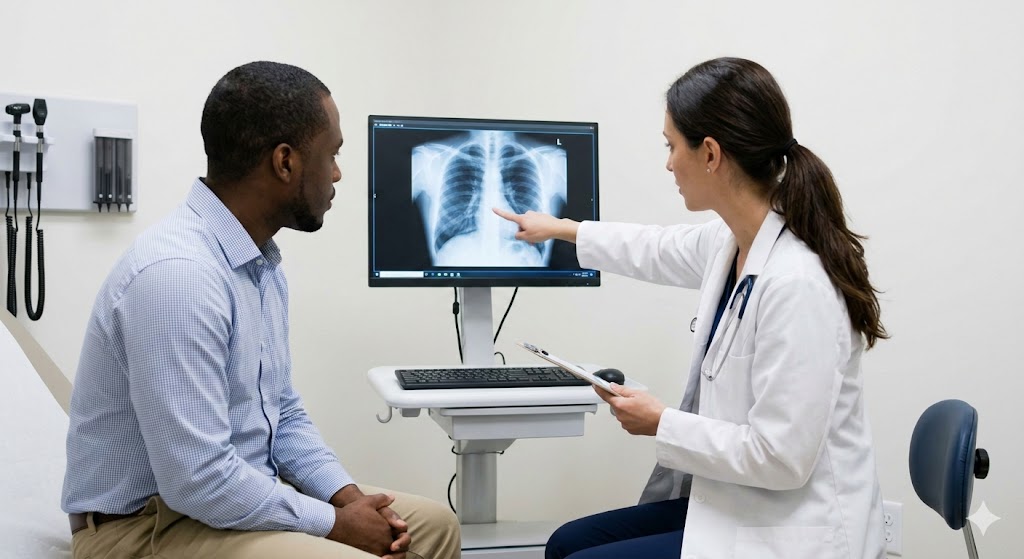
In healthcare, timing can be the difference between a minor concern and a major medical emergency. When symptoms appear—whether it’s sudden pain, shortness of breath, or an unexplained injury—doctors need answers quickly. This is where X-ray services step in as one of the most powerful diagnostic tools in modern medicine. For patients seeking X-ray services…What Are Mammogram Services And What Do They Include?
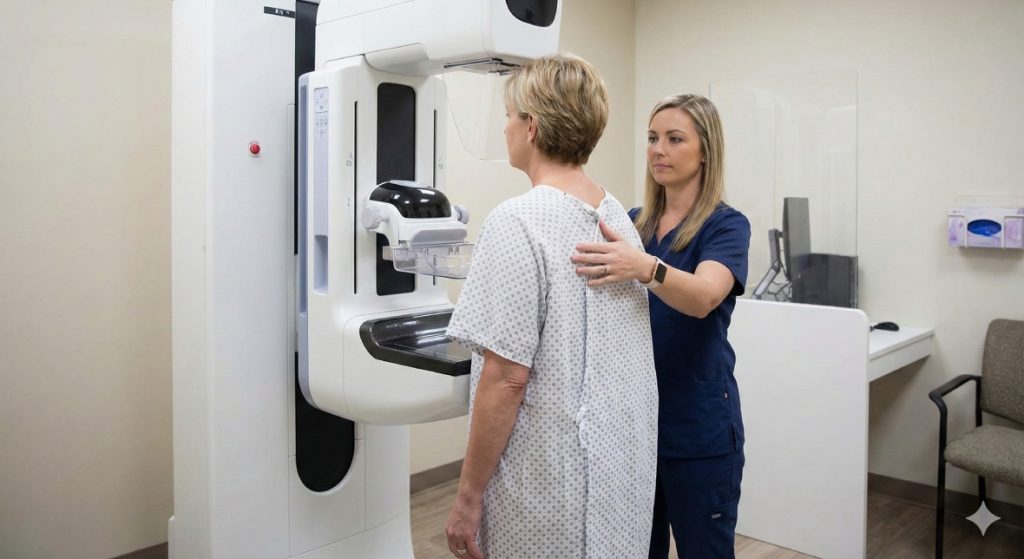
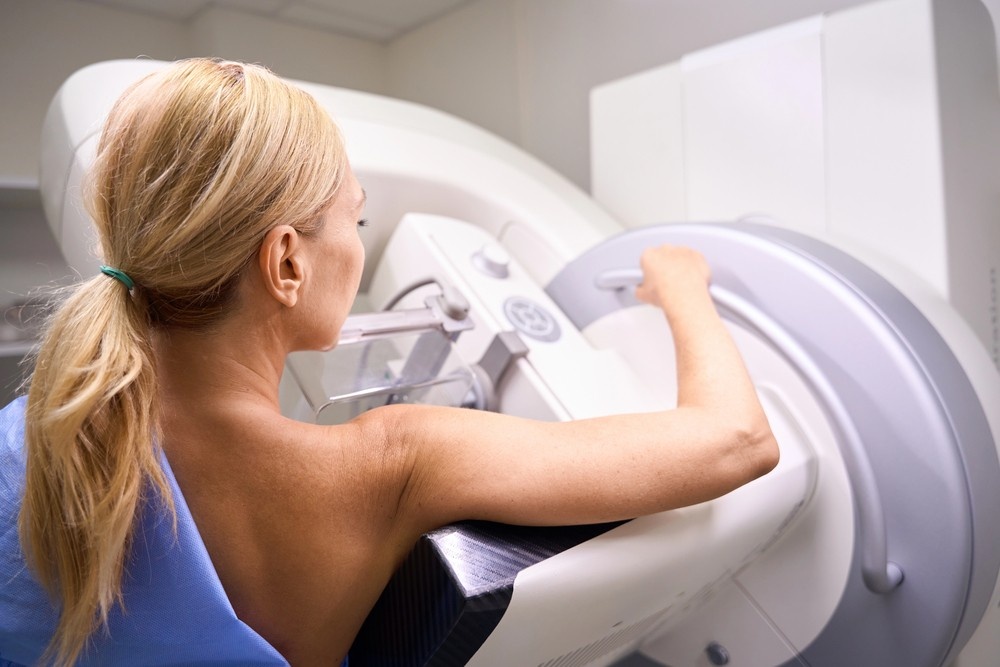
When it comes to protecting your long-term health, few screenings are as powerful—or as misunderstood—as a mammogram. Mammogram services are not just routine medical appointments; they are proactive tools that help detect breast changes long before symptoms appear. For women in Houston and Shenandoah, access to high-quality mammogram services can mean the difference between early…What Makes an Ultrasound Affordable Without Sacrificing Accuracy?
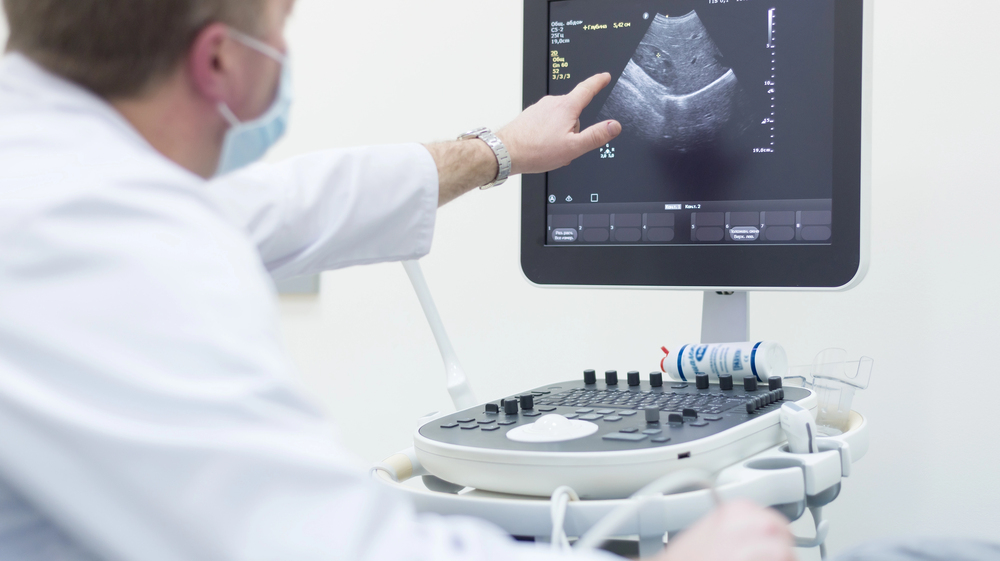
When patients hear that an ultrasound is “affordable,” the word often triggers doubt. In a healthcare system where prices vary wildly, many people assume lower cost must mean lower quality. After all, we’ve been trained to believe that better care always costs more. But diagnostic imaging doesn’t work that way. Ultrasound accuracy isn’t determined by…


Contact Us: We’re Here to Help!
We’d love to hear from you! Whether you have questions about our services, need more information on our diagnostic and pain management options, or would like to schedule an appointment, our friendly and professional team is here to assist you every step of the way. We are dedicated to providing you with the best care and support, and we are happy to address any concerns or inquiries you may have.