What Is An MRI Scan Used To Diagnose?
October 14, 2025
Magnetic Resonance Imaging, or MRI, is one of the most advanced and accurate diagnostic tools in modern medicine. It provides detailed images of the inside of the body without using radiation. Instead, MRI uses strong magnetic fields and radio waves to produce high-resolution pictures that help doctors identify abnormalities in organs, tissues, and bones.
At NextGen Diagnostic Imaging, MRI scans are used to detect a wide range of health issues from brain and spine conditions to joint injuries and internal organ diseases. This article explains what an MRI scan is used to diagnose, how it works, and why it’s an essential part of accurate medical assessment.

Understanding MRI Scans
MRI stands for Magnetic Resonance Imaging. It uses a powerful magnet to align hydrogen atoms in the body and then applies radiofrequency waves to capture signals from those atoms. A computer processes these signals to create detailed cross-sectional images of the body’s internal structures.
Unlike CT scans or X-rays, which use ionizing radiation, MRI is a non-invasive and radiation-free method. This makes it a safer choice for repeated imaging or for patients who require close monitoring over time.
Common Health Conditions Diagnosed with MRI Scans
MRI scans can be used for nearly every part of the body. Below are the most common categories of health conditions that MRI technology helps detect and monitor.
1. Brain and Nervous System Disorders
MRI is the gold standard for imaging the brain and spinal cord. It provides extremely clear images that help detect structural or functional issues within the central nervous system.
MRI scans are commonly used to diagnose:
- Brain tumors: Detects the presence, size, and location of abnormal growths.
- Stroke: Identifies areas of reduced blood flow or tissue damage.
- Multiple sclerosis (MS): Reveals lesions in the brain or spinal cord caused by immune system activity.
- Aneurysms: Shows bulges or weakened areas in blood vessels that can lead to internal bleeding.
- Epilepsy: Locates abnormalities or scar tissue responsible for seizure activity.
- Infections and inflammation: Detects abscesses or encephalitis.
Because of its precision, MRI is often preferred when diagnosing neurological issues that are not visible on CT scans.
2. Spine and Musculoskeletal Problems
MRI scans are particularly useful for visualizing soft tissues, including muscles, ligaments, tendons, and spinal discs. This allows physicians to see injuries or degenerative changes that X-rays cannot capture.
MRI is used to detect conditions such as:
- Herniated or bulging discs: Identifies discs pressing on spinal nerves.
- Degenerative disc disease: Shows wear and tear that leads to chronic back pain.
- Spinal stenosis: Highlights narrowing of the spinal canal.
- Joint injuries: Evaluates damage to cartilage, ligaments, or tendons.
- Arthritis and inflammation: Reveals joint degeneration and swelling.
- Bone infections (osteomyelitis): Detects early infection signs before they appear on X-rays.
For athletes or individuals with persistent back or knee pain, MRI helps pinpoint the root cause and guide treatment plans effectively.
3. Cardiovascular and Chest Imaging
MRI scans are also used to examine the heart and blood vessels. Known as cardiac MRI, this test provides detailed information about heart structure and function without requiring invasive procedures.
It can help diagnose:
- Heart disease: Assesses heart muscle damage after a heart attack.
- Congenital heart defects: Identifies structural abnormalities from birth.
- Aortic aneurysms: Detects bulges in the main artery.
- Blocked or narrowed arteries: Evaluates blood flow and vessel integrity.
- Inflammation (myocarditis or pericarditis): Shows swelling of the heart muscle or lining.
Cardiac MRI offers a comprehensive view that helps cardiologists plan treatments or surgeries with confidence.
4. Abdominal and Pelvic Conditions
MRI provides a clear, non-invasive way to visualize internal organs in the abdomen and pelvis. It’s particularly useful for detecting soft tissue abnormalities that may not appear clearly in ultrasound or CT scans.
Common uses include diagnosing:
- Liver disease: Detects cirrhosis, fatty liver, or tumors.
- Kidney and adrenal gland disorders: Shows cysts, tumors, or infections.
- Pancreatic disease: Helps find inflammation or cancerous growths.
- Uterine and ovarian conditions: Identifies fibroids, cysts, or endometriosis.
- Prostate abnormalities: Detects enlargement, infection, or cancer.
- Gallbladder and bile duct problems: Reveals stones or blockages.
An MRI of the abdomen can be done with or without contrast to highlight blood vessels and tissue differences more clearly.
5. Breast Imaging
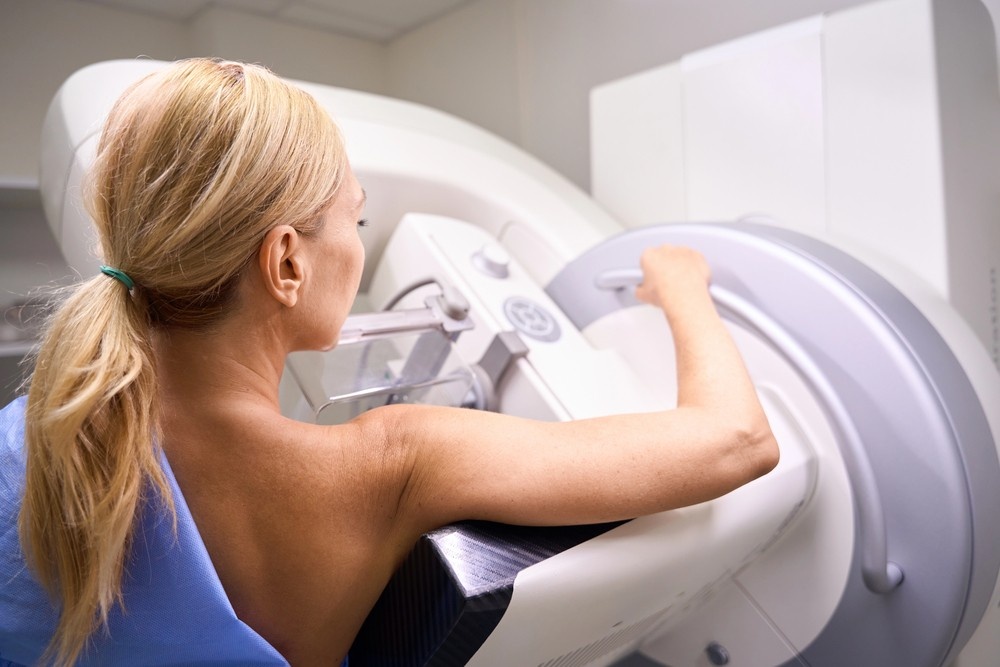
MRI is an important tool in breast imaging, especially for women at higher risk of breast cancer or those with dense breast tissue where mammograms may not be sufficient.
It helps diagnose:
- Breast cancer: Detects tumors and assesses their size and spread.
- Implant ruptures: Identifies silicone leaks or tears.
- Post-surgical changes: Differentiates scar tissue from cancer recurrence.
- Screening for high-risk patients: Complements mammograms for more comprehensive monitoring.
MRI offers exceptional sensitivity in breast imaging, making it an excellent companion test alongside mammography and ultrasound.
6. Abnormalities in the Pelvic and Reproductive System
Pelvic MRIs are used to visualize reproductive organs and detect underlying causes of pain or infertility.
MRI can help diagnose:
- Endometriosis: Identifies misplaced uterine tissue.
- Fibroids: Detects benign growths in the uterus.
- Ovarian cysts or tumors: Distinguishes between simple cysts and complex masses.
- Prostate cancer: Evaluates size and extent of tumors in men.
These images help doctors create accurate treatment plans, whether surgical or non-surgical.
7. Blood Vessel and Circulatory Disorders
Magnetic Resonance Angiography (MRA) is a special type of MRI designed to capture detailed images of blood vessels. It allows doctors to see blood flow and detect any irregularities.
It’s often used to detect:
- Aneurysms and clots
- Blocked arteries
- Vascular malformations
- Carotid artery narrowing (stenosis)
MRA scans provide a safer alternative to traditional angiography because they do not require inserting a catheter into the blood vessels.
8. Detection and Monitoring of Tumors
MRI is widely used for cancer detection and monitoring because it produces clear images of soft tissue masses and their borders.
It helps doctors:
- Identify tumors in the brain, spine, liver, or bones.
- Assess whether a tumor is benign or malignant.
- Determine tumor size and stage for treatment planning.
- Monitor response to chemotherapy or radiation therapy.
MRI scans can also help differentiate between scar tissue, inflammation, and recurrent cancer, offering doctors a more complete picture of a patient’s progress.
Why MRI Is Preferred in Many Diagnoses
MRI scans are preferred for several reasons:
- High-resolution images: Provide detailed visualization of soft tissues, blood vessels, and organs.
- No radiation exposure: Unlike CT scans or X-rays, MRI uses magnetic fields instead of radiation.
- Multi-plane imaging: Offers images from multiple angles for a better diagnostic view.
- Contrast enhancement: Uses gadolinium-based contrast to highlight specific structures or abnormalities.
- Early detection: Helps identify diseases at early stages before symptoms become severe.
At NextGen Diagnostic Imaging, these benefits are combined with advanced MRI technology and professional expertise to ensure accurate and comfortable diagnostic experiences.
When Your Doctor Might Recommend an MRI
A physician might suggest an MRI if:
- You experience unexplained pain that doesn’t improve with treatment.
- You’ve had an injury that might involve ligaments, tendons, or nerves.
- There are neurological symptoms such as seizures, dizziness, or vision problems.
- You need further evaluation of abnormal test results from X-rays or ultrasounds.
- You are being monitored for a chronic disease, such as multiple sclerosis or arthritis.
MRI helps doctors confirm or rule out conditions, track disease progression, and plan personalized treatment approaches.

Preparing for an MRI Scan
Preparation for an MRI is usually simple. Patients are asked to:
- Remove all metal objects, such as jewelry or watches.
- Inform the technologist if they have implants, pacemakers, or metal fragments.
- Avoid eating or drinking (if contrast is required).
- Wear comfortable clothing or a medical gown provided by the imaging center.
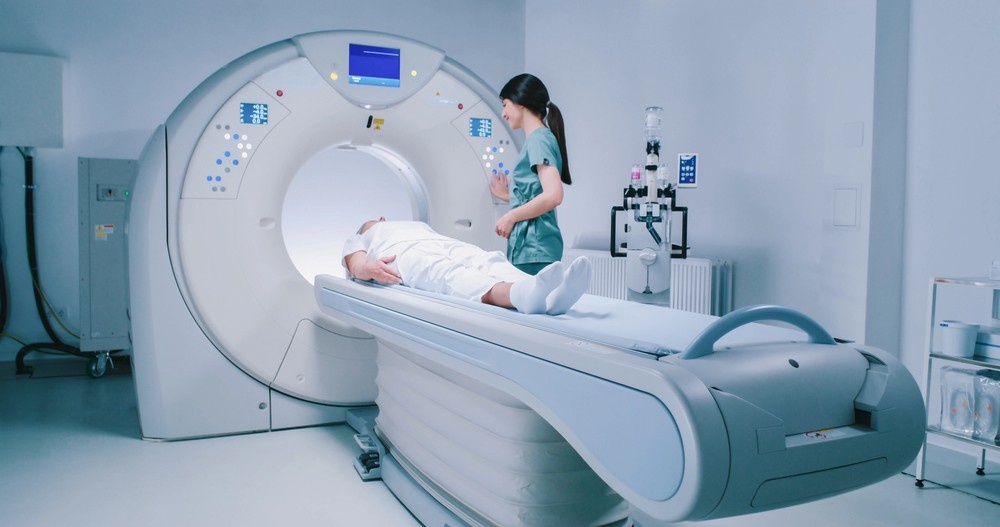
During the procedure, you’ll lie on a table that slides into the MRI machine. The scan is painless but can be noisy, so earplugs or headphones are often provided.
Why Choose NextGen Diagnostic Imaging for MRI in Shenandoah?
When it comes to MRI scans in Shenandoah, accuracy and comfort matter most. At NextGen Diagnostic Imaging, we combine advanced MRI technology with a patient-centered approach to provide the clearest images and the smoothest experience possible.
Conveniently located near Shenandoah, we’re committed to helping patients get accurate diagnoses faster with compassion, care, and expertise every step of the way.
1. Advanced MRI Technology for Accurate Results
We use state-of-the-art MRI scanners designed to capture high-resolution images of your brain, spine, joints, and internal organs. Whether you’re being evaluated for a sports injury, chronic pain, or neurological condition, our imaging precision ensures that doctors have the clear and detailed results they need for effective treatment planning.
2. Comfortable, Patient-Focused Experience
We understand that MRI scans can feel intimidating for some patients. That’s why our team at NextGen Diagnostic Imaging focuses on your comfort and peace of mind. Our MRI suites are quiet, spacious, and designed to minimize claustrophobia. From the moment you arrive, our technologists walk you through every step so you always feel informed and relaxed.
3. Expert Radiologists You Can Trust
Our board-certified radiologists specialize in interpreting MRI scans with exceptional accuracy. Every image is reviewed with attention to detail, ensuring nothing is overlooked. With years of experience in neurological, musculoskeletal, and abdominal imaging, our experts deliver insights that help physicians make confident decisions about your health.
4. Conveniently Located Near Shenandoah, Houston
If you’re in or around Shenandoah, you don’t have to travel far for high-quality MRI services. Our Houston location offers easy accessibility, flexible scheduling, and minimal wait times so you can get your results promptly and continue your care without delay.
5. Transparent Pricing and Fast Results
We believe in clear, upfront pricing with no hidden fees. Our goal is to make MRI imaging accessible to everyone without compromising quality. We also provide fast turnaround times for reports, ensuring your doctor receives results quickly for timely diagnosis and treatment.
6. Personalized Care That Puts You First
At NextGen Diagnostic Imaging, every patient is treated with respect and empathy. We tailor each MRI session based on your comfort level and specific medical needs. Whether you need a brain MRI, spine evaluation, or full-body scan, our staff ensures you feel supported throughout your visit.
Choose Confidence. Choose NextGen Diagnostic Imaging.
When you choose NextGen Diagnostic Imaging for your MRI in Houston near Shenandoah, you’re choosing accuracy, compassion, and innovation. We’re not just performing scans, we’re helping doctors uncover answers that can change lives.
Visit us today to experience diagnostic imaging designed around you where precision meets peace of mind.
NextGen Diagnostic Imaging Serving the Shenandoah Community and Beyond in Houston
NextGen Diagnostic Imaging is dedicated to serving the diverse needs of the local community of Houston, including individuals residing in neighborhoods like Shenandoah. With its convenient location near landmarks such as the Masjid and major intersections like Southwest Fwy. and Hornwood Dr. (coordinates: 29.712207089193782, -95.50416447400343), we offer MRI Houston services.
Get MRI Services At Shenandoah Now
Navigate from Shenandoah to NextGen Diagnostic Imaging Now
Conclusion
MRI scans play a key role in modern medicine by helping detect and monitor a wide range of health conditions with remarkable clarity. From identifying brain and spinal issues to assessing heart, organ, and joint problems, MRI technology enables doctors to make more precise diagnoses and guide effective treatments.
At NextGen Diagnostic Imaging, patients can expect advanced MRI services designed for accuracy, comfort, and peace of mind. Whether you’re being evaluated for chronic pain, neurological issues, or internal organ conditions, our imaging specialists ensure you receive clear, reliable results that support your healthcare journey.
FAQs
1. What makes NextGen Diagnostic Imaging the best choice for MRI scans in Houston near Shenandoah?
NextGen Diagnostic Imaging stands out for combining advanced MRI technology, expert radiologists, and a patient-centered approach. We offer high-resolution imaging, comfortable facilities, quick scheduling, and accurate results all conveniently located near Shenandoah, Houston.
2. What types of MRI scans are available at NextGen Diagnostic Imaging?
We provide a wide range of MRI services, including brain MRI, spine MRI, joint and musculoskeletal imaging, abdominal and pelvic MRI, and cardiac MRI. Each scan is customized to meet your medical needs and help your doctor get clear, detailed diagnostic results.
3. Is an MRI scan safe and does it use radiation?
Yes, MRI scans are completely safe and radiation-free. They use powerful magnets and radio waves to create detailed images of your body’s internal structures, making them a preferred option for long-term monitoring and sensitive cases where radiation exposure should be avoided.
4. How should I prepare for my MRI appointment at NextGen Diagnostic Imaging?
Before your MRI, we’ll ask you to remove any metal objects (like jewelry or watches) and inform our team about implants or pacemakers. Depending on the type of scan, you may be asked to fast for a few hours. Our staff will guide you through every step to ensure your comfort and safety.
5. How soon can I get my MRI results at NextGen Diagnostic Imaging?We prioritize fast turnaround times. Most patients receive their MRI results within 24–48 hours, allowing your doctor to quickly review the findings and move forward with your treatment plan. Our goal is to deliver accuracy and efficiency without unnecessary waiting.

NextGen Scan
How X-Ray Services Help Doctors Make Fast Diagnoses
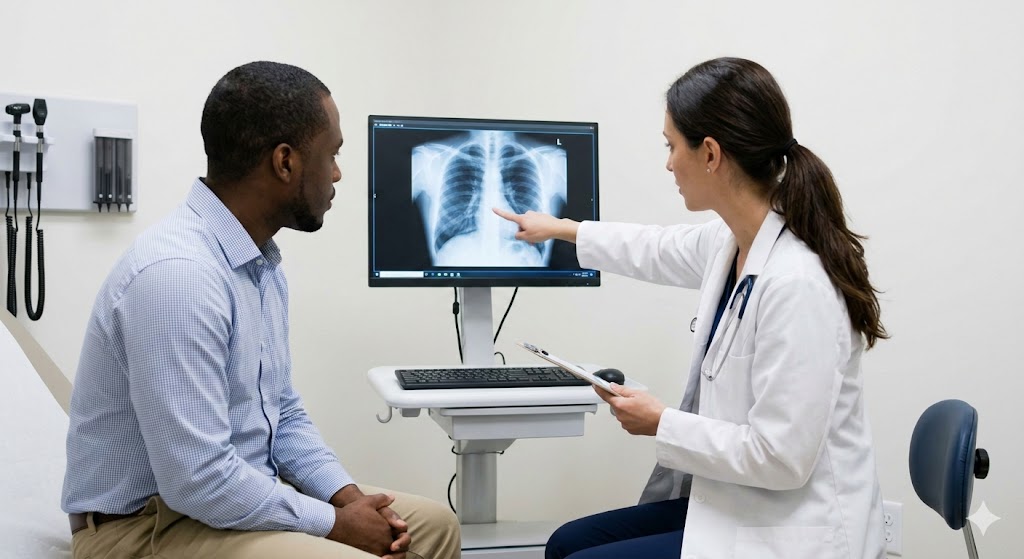
In healthcare, timing can be the difference between a minor concern and a major medical emergency. When symptoms appear—whether it’s sudden pain, shortness of breath, or an unexplained injury—doctors need answers quickly. This is where X-ray services step in as one of the most powerful diagnostic tools in modern medicine. For patients seeking X-ray services…What Are Mammogram Services And What Do They Include?
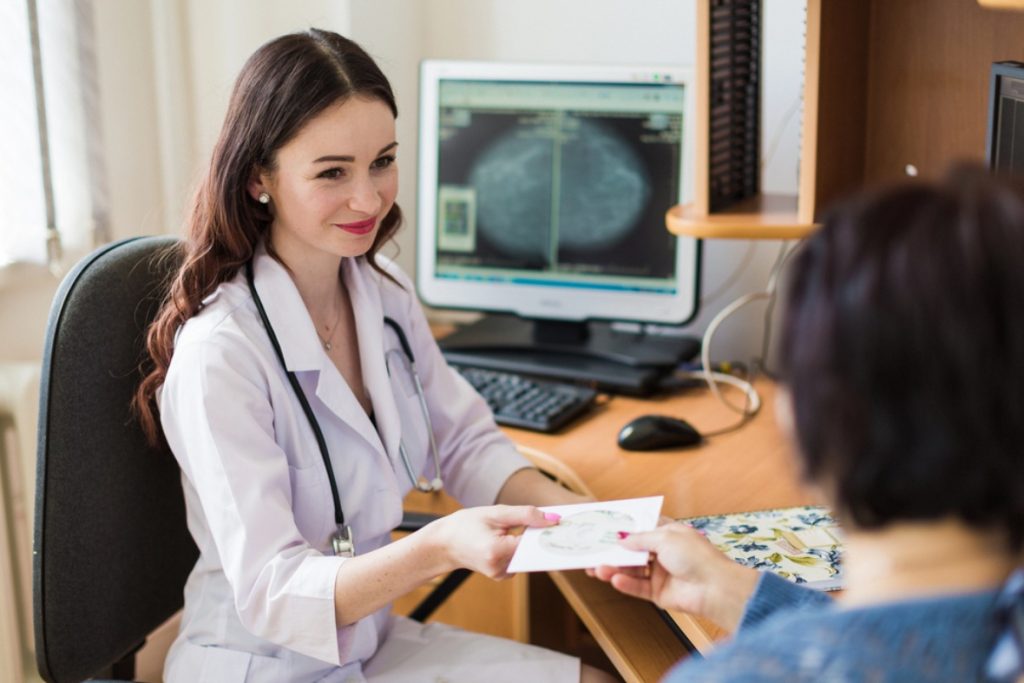
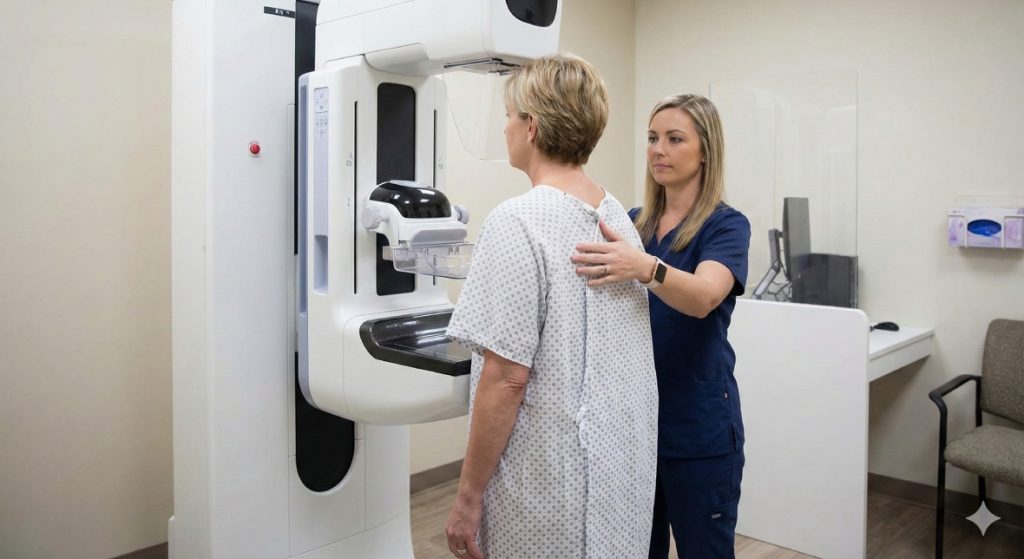
When it comes to protecting your long-term health, few screenings are as powerful—or as misunderstood—as a mammogram. Mammogram services are not just routine medical appointments; they are proactive tools that help detect breast changes long before symptoms appear. For women in Houston and Shenandoah, access to high-quality mammogram services can mean the difference between early…What Makes an Ultrasound Affordable Without Sacrificing Accuracy?
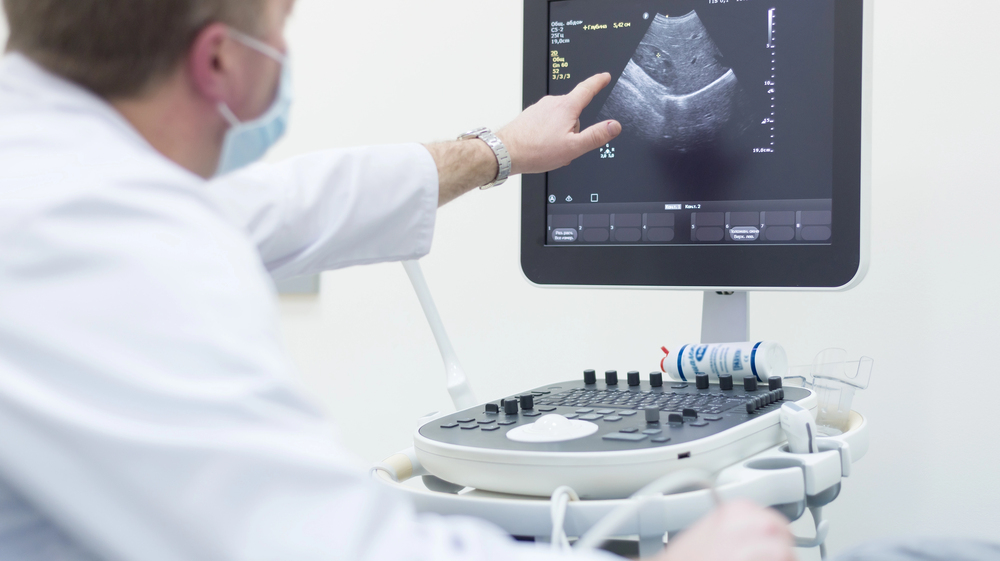
When patients hear that an ultrasound is “affordable,” the word often triggers doubt. In a healthcare system where prices vary wildly, many people assume lower cost must mean lower quality. After all, we’ve been trained to believe that better care always costs more. But diagnostic imaging doesn’t work that way. Ultrasound accuracy isn’t determined by…
Contact Us: We’re Here to Help!
We’d love to hear from you! Whether you have questions about our services, need more information on our diagnostic and pain management options, or would like to schedule an appointment, our friendly and professional team is here to assist you every step of the way. We are dedicated to providing you with the best care and support, and we are happy to address any concerns or inquiries you may have.