What Is A CT Scan Used For?
November 7, 2025
A CT scan, short for Computed Tomography scan, is a diagnostic imaging tool that allows doctors to view detailed cross-sectional images of the body. Unlike a traditional X-ray, which provides only a flat image, a CT scan combines multiple X-rays taken from different angles and processes them using advanced computer software to produce a 3D view of internal structures.
It’s often described as “seeing inside without surgery.” CT scans are used to examine bones, organs, blood vessels, and soft tissues, giving physicians a much clearer picture of what’s happening inside your body. This precision makes CT scans one of the most relied-upon tools in modern medicine.
How a CT Scan Works
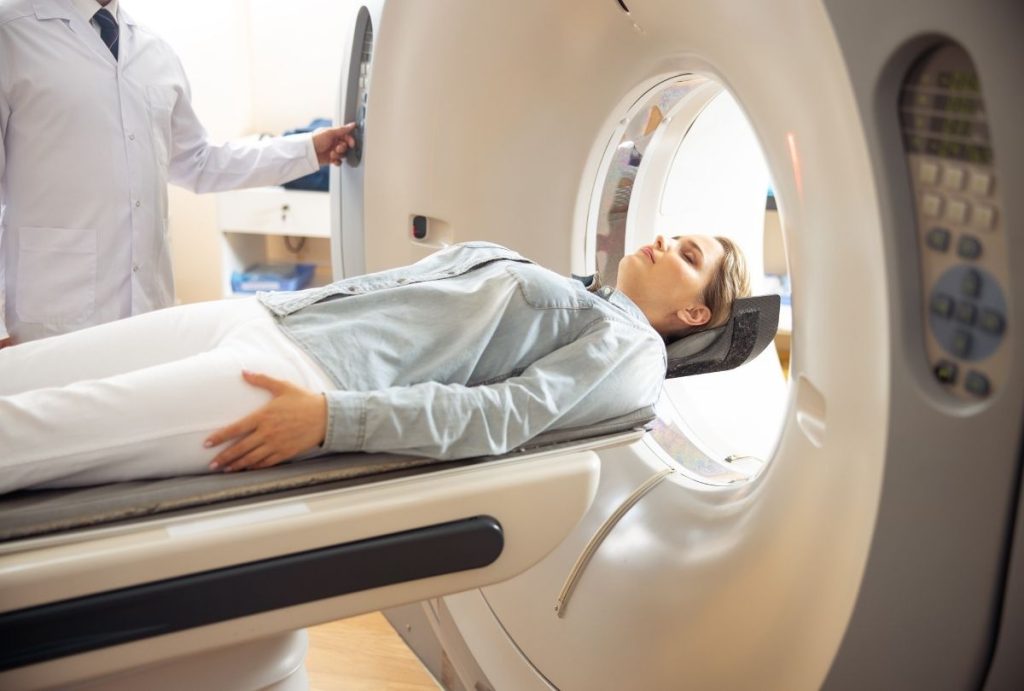
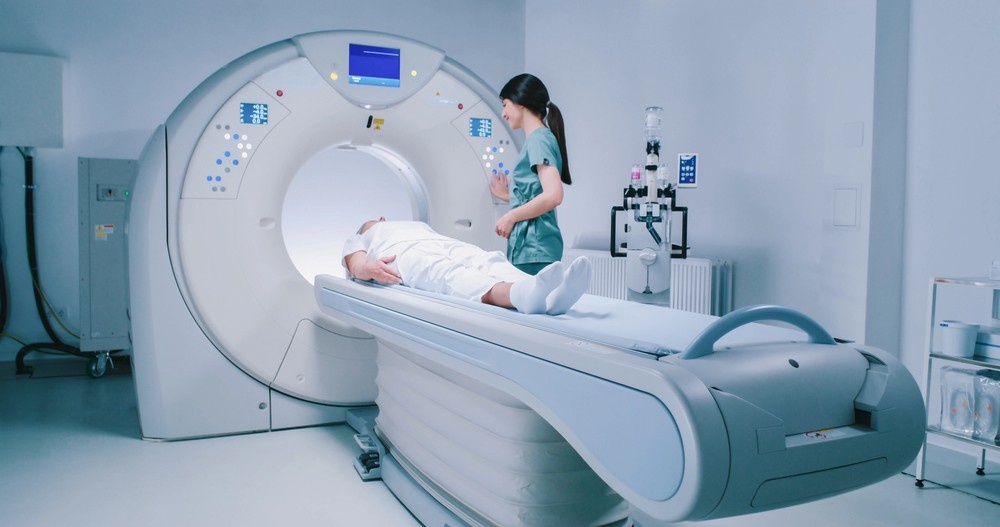
The scanner looks like a large, circular machine with a bed that slides into the middle. As you lie still, the X-ray beam rotates around your body, taking hundreds of images from various angles. These images are compiled by a computer to form highly detailed cross-sectional slices of the scanned area.
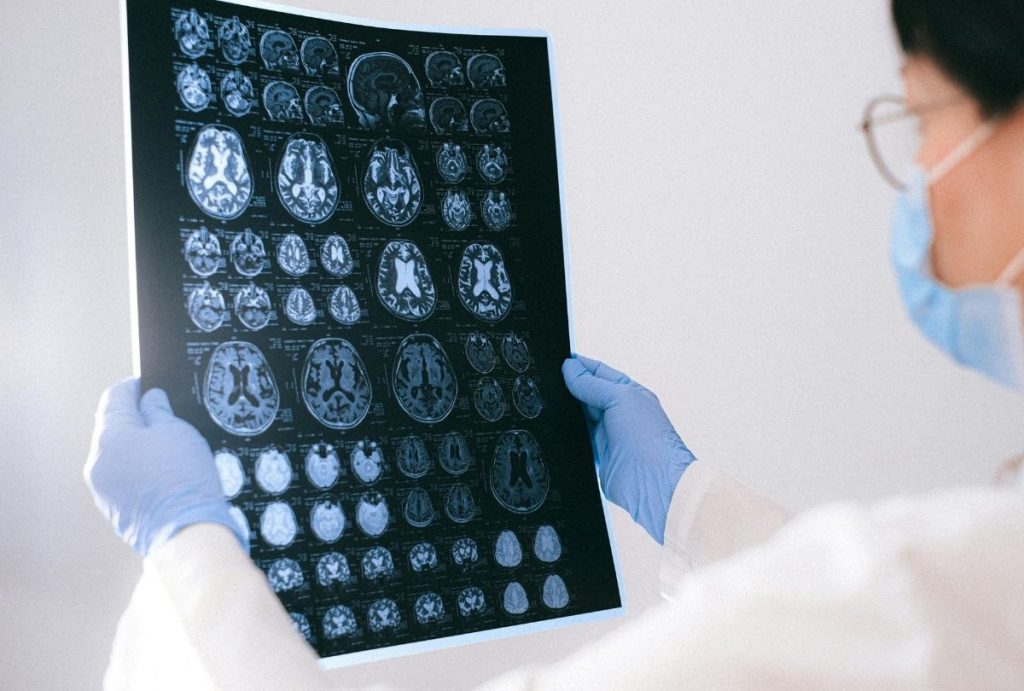
Doctors can then rotate, zoom, and even isolate certain parts of these images to identify abnormalities or injuries. The level of detail helps detect even the smallest issues like a pinhead-sized tumor or hairline fracture that might be invisible on standard imaging.
The Difference Between a CT Scan and an X-Ray
An X-ray is quick, inexpensive, and useful for spotting fractures or infections in bones. However, it can’t provide detailed information about soft tissues or internal organs. A CT scan, on the other hand, goes far beyond that, it captures multiple layers of data, creating a 3D image that offers a more comprehensive view of your internal anatomy.
Think of an X-ray as a simple photo and a CT scan as a full video. Both show the same subject, but one provides more depth and detail, helping doctors make faster and more accurate diagnoses.
Why CT Scans Are So Important
Early and Accurate Diagnosis
CT scans allow doctors to catch diseases early, sometimes before symptoms even appear. They can detect cancers, infections, blood clots, and internal injuries that might otherwise go unnoticed. In emergency situations like a car accident or stroke CT scans can quickly identify life-threatening conditions, helping doctors act fast to save lives.
This speed and accuracy make CT scans invaluable for both emergency care and routine checkups.
Monitoring Existing Conditions
For patients already diagnosed with an illness, CT scans serve as a progress tracker. They show how a disease is responding to treatment, whether a tumor is shrinking, or if an infection has cleared. This allows doctors to adjust treatment plans promptly for better outcomes.
Planning Medical Treatments
Surgeons use CT scans to plan complex operations. The images help map out internal structures, reducing risks during surgery. In cancer treatment, radiation oncologists use CT scans to target tumors precisely while avoiding healthy tissue.
Common Uses of CT Scans
CT scans are used for nearly every part of the body. Here are the most common applications:
Head and Brain Scans
Head CT scans are essential for diagnosing head injuries, brain tumors, bleeding, or swelling. They help detect conditions like strokes and aneurysms quickly. For patients with chronic headaches or dizziness, CT imaging provides insight into possible underlying causes.
Chest and Lung Scans
Chest CTs help detect lung infections, blood clots, and even early stages of lung cancer. They’re also vital for patients with chronic respiratory diseases such as COPD, helping doctors track changes in the lungs over time.
Abdominal and Pelvic Scans
Abdominal CT scans reveal issues in the liver, kidneys, pancreas, or intestines. Doctors use them to investigate unexplained pain, digestive issues, or internal bleeding. Pelvic scans are especially helpful in detecting reproductive system problems, urinary issues, and appendicitis.
Bone and Joint Scans
Orthopedic specialists use CT scans to examine complex fractures, bone infections, or joint disorders. They provide a clear view of the spine, hips, and knees, helping surgeons plan repairs or replacements with pinpoint accuracy.
Heart and Blood Vessel Scans
CT angiography creates detailed images of blood vessels and the heart. It identifies blockages, aneurysms, or narrowing arteries, conditions that could lead to heart attacks or strokes if left untreated. For heart patients, CT scans are a lifesaving diagnostic tool.
What to Expect During a CT Scan
Preparing for the Procedure
Before your CT scan, you might be asked to avoid food or drink for a few hours. If your scan involves contrast dye, the technician may ask about allergies or kidney function. You’ll remove metal items like jewelry, glasses, or belts since they can interfere with the imaging.
What Happens During the Scan
You’ll lie on a narrow table that moves through the circular scanner. As it rotates around you, it captures images in seconds. You may hear soft buzzing or clicking sounds, these are just the machine’s components working.
The process is painless, and you’ll be able to communicate with the technician through an intercom. Most scans are done within 15 to 30 minutes.
After the Scan and Getting Results
Once your scan is complete, you can return to normal activities immediately. If you received contrast dye, staying hydrated helps flush it out. A radiologist will review the images and send a detailed report to your doctor, who’ll discuss the results with you during your follow-up visit.
The Role of NextGen Diagnostic Imaging in Shenandoah
In Shenandoah, NextGen Diagnostic Imaging is a trusted name for advanced CT scan services. The center is known for combining precision technology with compassionate patient care, helping the community access high-quality diagnostic imaging without long wait times.
Advanced Technology and Expert Care
NextGen Diagnostic Imaging uses state-of-the-art CT scanners that deliver ultra-clear images in record time. Their highly skilled radiologists and technicians ensure accurate readings and quick turnaround, giving patients and doctors peace of mind.
Patient Comfort and Safety First
At NextGen, every patient is treated like family. The team prioritizes comfort, explaining each step before the scan to ease anxiety. They also follow strict radiation safety protocols, using the lowest possible doses without compromising image quality.
Safety and Risks of CT Scans
Radiation Exposure Explained
CT scans use a small amount of ionizing radiation to create images. While that might sound concerning, modern machines like those at NextGen are designed to minimize exposure significantly. The diagnostic benefits far outweigh the minimal risks, especially when performed by experienced professionals.
Contrast Dye Considerations
Some scans use contrast dye to make images clearer. Although reactions are rare, mild side effects like a warm sensation or metallic taste can occur. It’s important to tell your doctor about allergies or kidney issues before the scan. Trained staff at NextGen monitor all patients closely to ensure safety.
Who Should Get a CT Scan?
When Your Doctor Might Recommend One
Doctors often order CT scans for symptoms like persistent pain, unexplained bleeding, or injuries that need deeper evaluation. They may also use them to guide biopsies, track chronic conditions, or confirm abnormalities detected by other tests.
Who Might Need Alternatives
Pregnant women or those who require repeated imaging may be offered MRI or ultrasound instead to limit radiation exposure. Your physician will always choose the safest option based on your health condition.
The Future of CT Imaging
AI and Real-Time 3D Imaging
Artificial intelligence is revolutionizing medical imaging. AI systems now assist radiologists by detecting patterns faster than the human eye, reducing the time needed for diagnosis and improving accuracy.
Faster, Safer, and More Accurate Diagnostics
Next-generation CT scanners are faster, quieter, and produce sharper images with even lower radiation doses. This innovation means quicker diagnoses, shorter wait times, and better overall care for patients.
NextGen Diagnostic Imaging Serving the Shenandoah Community and Beyond in Houston
NextGen Diagnostic Imaging is dedicated to serving the diverse needs of the local community of Houston, including individuals residing in neighborhoods like Shenandoah. With its convenient location near landmarks such as the Benavidez Elementary School and major intersections like Westward St. & Gulfton St. (coordinates: 29.716704099999987, -95.4938099), we offer cheap CT scans Houston services.
Get Cheap CT Scans at Shenandoah Now
Navigate from Shenandoah to NextGen Diagnostic Imaging Now
The Power of Precision: How CT Scans Transform Modern Healthcare
A CT scan is more than just an imaging test, it’s a powerful diagnostic tool that saves lives. It allows doctors to see inside the body with incredible detail, uncovering conditions that might otherwise remain hidden.
For residents in Shenandoah, NextGen Diagnostic Imaging offers the perfect combination of technology, expertise, and compassion. When you need accurate results fast, they’re the trusted partner in your health journey.
FAQs
1. How long does a CT scan take at NextGen Diagnostic Imaging?
Most CT scans take between 15 to 30 minutes, depending on the area being scanned and whether contrast dye is used.
2. Do CT scans hurt or cause discomfort?
No. The procedure is completely painless. You might feel slight warmth if contrast dye is injected, but it passes quickly.
3. How should I prepare for my CT scan?
Avoid eating for a few hours if your scan uses contrast. Wear comfortable clothing and remove jewelry before the test.
4. How soon will I get my results?
Results are usually ready within 24 hours. Your doctor will review the findings and discuss them with you during your next visit.
5. Are CT scans safe for children or older adults?
Yes, but doctors use the lowest necessary radiation dose. Pediatric and geriatric scans are adjusted for safety and precision.

NextGen Scan
How X-Ray Services Help Doctors Make Fast Diagnoses
In healthcare, timing can be the difference between a minor concern and a major medical emergency. When symptoms appear—whether it’s sudden pain, shortness of breath, or an unexplained injury—doctors need answers quickly. This is where X-ray services step in as one of the most powerful diagnostic tools in modern medicine. For patients seeking X-ray services…What Are Mammogram Services And What Do They Include?
When it comes to protecting your long-term health, few screenings are as powerful—or as misunderstood—as a mammogram. Mammogram services are not just routine medical appointments; they are proactive tools that help detect breast changes long before symptoms appear. For women in Houston and Shenandoah, access to high-quality mammogram services can mean the difference between early…What Makes an Ultrasound Affordable Without Sacrificing Accuracy?
When patients hear that an ultrasound is “affordable,” the word often triggers doubt. In a healthcare system where prices vary wildly, many people assume lower cost must mean lower quality. After all, we’ve been trained to believe that better care always costs more. But diagnostic imaging doesn’t work that way. Ultrasound accuracy isn’t determined by…
Contact Us: We’re Here to Help!
We’d love to hear from you! Whether you have questions about our services, need more information on our diagnostic and pain management options, or would like to schedule an appointment, our friendly and professional team is here to assist you every step of the way. We are dedicated to providing you with the best care and support, and we are happy to address any concerns or inquiries you may have.